

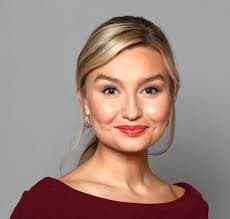
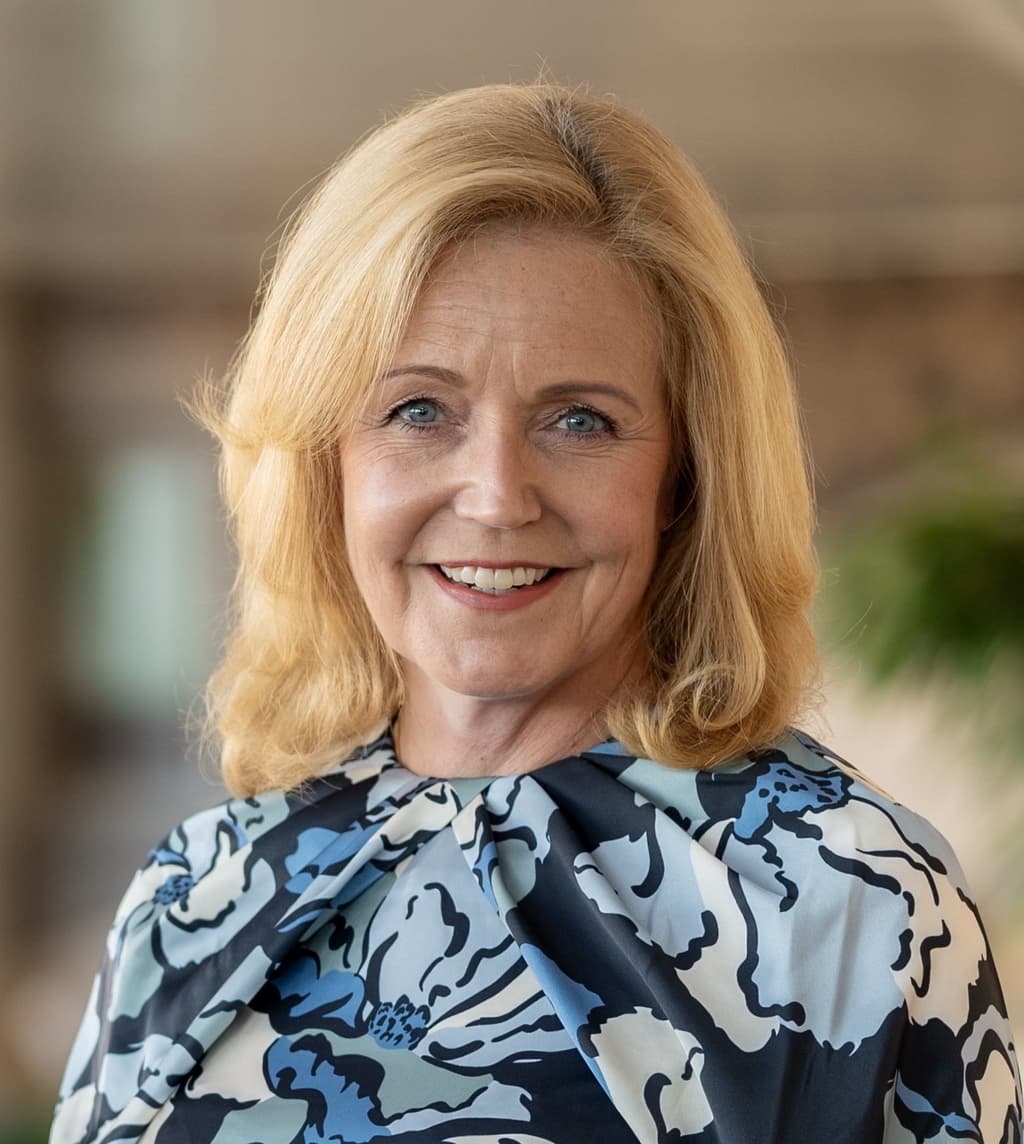


The narrow victory of Sweden’s centre-left bloc in the September 13 parliamentary election, securing 176 seats against 173 for the incumbent centre-right Tidö alliance, has positioned Social Democrats leader Magdalena Andersson as the frontrunner to become prime minister. Ulf Kristersson resigned shortly after the result, and Andersson received a renewed mandate from the speaker on October 2 to explore coalition options with the Left, Centre and Green parties despite earlier setbacks over speaker selection and policy differences. Traders appear to view her bloc’s slim majority and repeated opportunities to form a government as the dominant factors, while alternative candidates from the Moderates or smaller parties face structural barriers in the fragmented Riksdag unless negotiations collapse entirely before the mid-October reporting deadline.
Eksperimental na AI-generated summary na nire-reference ang Polymarket data. Hindi ito trading advice at wala itong papel sa kung paano nire-resolve ang market na ito. · Na-updateView resolved
Mag-ingat sa mga external link.
Mag-ingat sa mga external link.
Mga Madalas na Tanong