
**Trader sentiment heavily favors no Atlantic hurricane forming in August 2026 (70.5% implied probability), reflecting a suppressed early-to-mid season and limited time remaining before month-end.** As of August 17, only three named tropical storms (Arthur in June, Bertha in July, and short-lived Cristobal on August 12–13) have developed, with zero hurricanes—a notably quiet start consistent with the season’s below-normal outlook. NOAA’s August 6 update lowered expectations to 7–13 named storms, 2–6 hurricanes, and 0–2 major hurricanes for the full June–November period, citing a 75% chance of below-normal activity. Persistent El Niño conditions in the equatorial Pacific are driving elevated vertical wind shear across the tropical Atlantic, which disrupts organization and intensification of disturbances into hurricanes (sustained winds ≥74 mph on the Saffir-Simpson scale). This dynamical suppression, combined with the absence of active systems or favorable steering patterns in recent model guidance, has kept probabilities low for formation in the narrow remaining August windows. Historical analogs and current observational data show reduced accumulated cyclone energy (ACE) well below average, reinforcing the market’s pricing. With peak climatological activity still ahead in September, traders appear to view the risk of a late-August hurricane as modest unless a rapid shift in shear or sea-surface temperatures occurs.
Eksperimental na AI-generated summary na nire-reference ang Polymarket data. Hindi ito trading advice at wala itong papel sa kung paano nire-resolve ang market na ito. · Na-updateWhen will the first hurricane form in the Atlantic in 2026?
When will the first hurricane form in the Atlantic in 2026?
No Atlantic hurricane will form in August 2026 71%
August 27 to August 31, 2026 20%
August 22 to August 26, 2026 8%
August 17 to August 21, 2026 1.4%
August 17 to August 21, 2026
1%
August 22 to August 26, 2026
8%
August 27 to August 31, 2026
20%
No Atlantic hurricane will form in August 2026
71%
No Atlantic hurricane will form in August 2026 71%
August 27 to August 31, 2026 20%
August 22 to August 26, 2026 8%
August 17 to August 21, 2026 1.4%
August 17 to August 21, 2026
1%
August 22 to August 26, 2026
8%
August 27 to August 31, 2026
20%
No Atlantic hurricane will form in August 2026
71%
A tropical cyclone is considered a hurricane when it has maximum sustained winds of 74 mph or greater (Category 1 or higher on the Saffir-Simpson Hurricane Wind Scale). A system is considered to have "formed" as a hurricane at the date and time of the first NHC public advisory that classifies a system in the Atlantic basin as a hurricane. Resolution is based on that first advisory, regardless of any later downward revision or reclassification. The sole determinant of when the hurricane formed is the issuance timestamp of that first classifying NHC advisory (evaluated in U.S. Eastern Time), not the estimated time at which the system's winds first reached 74 mph; for a system that straddles midnight between August 31 and September 1, 2026, the applicable bracket is determined solely by whether that advisory's issuance timestamp falls before or after 12:00 AM ET on September 1, 2026.
The bracket "No Atlantic hurricane will form in August 2026" will resolve "Yes" if no NHC advisory classifies any Atlantic-basin system as a hurricane at any time from 12:00 AM ET on August 13, 2026 through 11:59 PM ET on August 31, 2026.
The resolution source for this market is the U.S. National Hurricane Center (NHC), available here: https://www.nhc.noaa.gov/
Binuksan ang Market: Aug 12, 2026, 11:07 AM ET
Resolution Source
https://www.nhc.noaa.gov/Resolver
0x69c47De9D...A tropical cyclone is considered a hurricane when it has maximum sustained winds of 74 mph or greater (Category 1 or higher on the Saffir-Simpson Hurricane Wind Scale). A system is considered to have "formed" as a hurricane at the date and time of the first NHC public advisory that classifies a system in the Atlantic basin as a hurricane. Resolution is based on that first advisory, regardless of any later downward revision or reclassification. The sole determinant of when the hurricane formed is the issuance timestamp of that first classifying NHC advisory (evaluated in U.S. Eastern Time), not the estimated time at which the system's winds first reached 74 mph; for a system that straddles midnight between August 31 and September 1, 2026, the applicable bracket is determined solely by whether that advisory's issuance timestamp falls before or after 12:00 AM ET on September 1, 2026.
The bracket "No Atlantic hurricane will form in August 2026" will resolve "Yes" if no NHC advisory classifies any Atlantic-basin system as a hurricane at any time from 12:00 AM ET on August 13, 2026 through 11:59 PM ET on August 31, 2026.
The resolution source for this market is the U.S. National Hurricane Center (NHC), available here: https://www.nhc.noaa.gov/
Resolution Source
https://www.nhc.noaa.gov/Resolver
0x69c47De9D...**Trader sentiment heavily favors no Atlantic hurricane forming in August 2026 (70.5% implied probability), reflecting a suppressed early-to-mid season and limited time remaining before month-end.** As of August 17, only three named tropical storms (Arthur in June, Bertha in July, and short-lived Cristobal on August 12–13) have developed, with zero hurricanes—a notably quiet start consistent with the season’s below-normal outlook. NOAA’s August 6 update lowered expectations to 7–13 named storms, 2–6 hurricanes, and 0–2 major hurricanes for the full June–November period, citing a 75% chance of below-normal activity. Persistent El Niño conditions in the equatorial Pacific are driving elevated vertical wind shear across the tropical Atlantic, which disrupts organization and intensification of disturbances into hurricanes (sustained winds ≥74 mph on the Saffir-Simpson scale). This dynamical suppression, combined with the absence of active systems or favorable steering patterns in recent model guidance, has kept probabilities low for formation in the narrow remaining August windows. Historical analogs and current observational data show reduced accumulated cyclone energy (ACE) well below average, reinforcing the market’s pricing. With peak climatological activity still ahead in September, traders appear to view the risk of a late-August hurricane as modest unless a rapid shift in shear or sea-surface temperatures occurs.
Eksperimental na AI-generated summary na nire-reference ang Polymarket data. Hindi ito trading advice at wala itong papel sa kung paano nire-resolve ang market na ito. · Na-update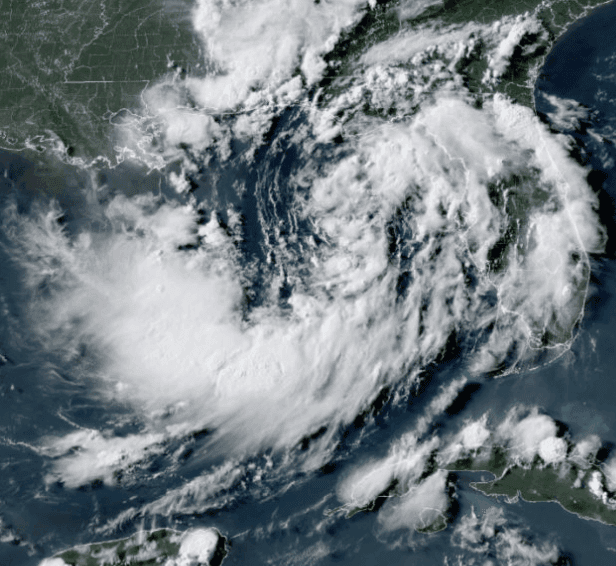

Mag-ingat sa mga external link.
Mag-ingat sa mga external link.
Mga Madalas na Tanong