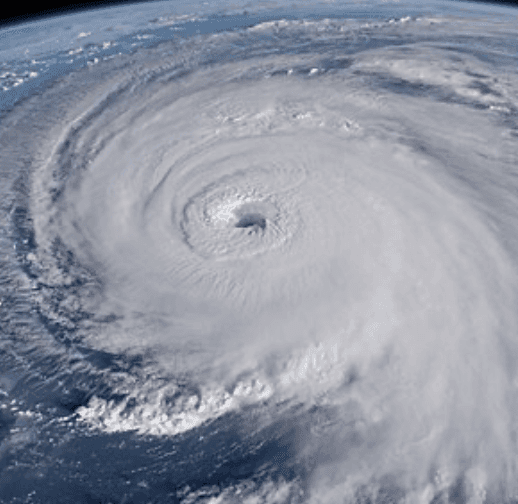
Hurricane Lala's rapid organization and intensification in the Central Pacific drove the near-certain market-implied odds for formation between August 13 and 16. National Hurricane Center and Central Pacific Hurricane Center advisories show a tropical wave evolved into Tropical Depression Eight-E on August 13, became Tropical Storm Lala later that day, and reached Category 1 hurricane strength with 75 mph sustained winds by August 15. This aligns with peak-season conditions favoring development south of Baja California and near Hawaii, consistent with seasonal norms of 15–22 named storms in the Eastern Pacific. The overwhelming trader consensus reflects these confirmed NHC observations rather than forecasts. A realistic challenge would require post-analysis reclassification showing Lala never attained hurricane intensity or an earlier undetected system outside this window.
Експериментальне резюме, згенероване ШІ з посиланням на дані Polymarket. Це не торгова порада і не впливає на вирішення цього ринку. · ОновленоWhen will the next hurricane form in the Pacific?
When will the next hurricane form in the Pacific?
August 13 to August 16, 2026 100.0%
August 22 to August 26, 2026 <1%
August 17 to August 21, 2026 <1%
August 27 to August 31, 2026 <1%
August 13 to August 16, 2026
100%
August 17 to August 21, 2026
<1%
August 22 to August 26, 2026
<1%
August 27 to August 31, 2026
<1%
August 13 to August 16, 2026 100.0%
August 22 to August 26, 2026 <1%
August 17 to August 21, 2026 <1%
August 27 to August 31, 2026 <1%
August 13 to August 16, 2026
100%
August 17 to August 21, 2026
<1%
August 22 to August 26, 2026
<1%
August 27 to August 31, 2026
<1%
A tropical cyclone is considered a hurricane when it has maximum sustained winds of 74 mph or greater (Category 1 or higher on the Saffir-Simpson Hurricane Wind Scale). For this market, the "Pacific" comprises the Eastern Pacific basin and the Central Pacific basin as tracked by the NHC and CPHC. Systems classified as typhoons do not count. A system is considered to have "formed" as a hurricane at the date and time of the first NHC or CPHC public advisory that classifies a system in these basins as a hurricane. Resolution is based on that first advisory, regardless of any later downward revision or reclassification. The sole determinant of when the hurricane formed is the issuance timestamp of that first classifying advisory, not the estimated time at which the system's winds first reached 74 mph; for a system that straddles midnight between August 31 and September 1, 2026, the applicable bracket is determined solely by whether that advisory's issuance timestamp falls before or after 12:00 AM ET on September 1, 2026.
The bracket "No Pacific hurricane will form in August 2026" will resolve "Yes" if no NHC or CPHC advisory classifies any Eastern Pacific or Central Pacific system as a hurricane at any time from 12:00 AM ET on August 13, 2026 through 11:59 PM ET on August 31, 2026.
The resolution sources for this market are the U.S. National Hurricane Center (NHC), available here: https://www.nhc.noaa.gov/, and the Central Pacific Hurricane Center (CPHC), available here: https://www.nhc.noaa.gov/?cpac
Ринок відкрито: Aug 12, 2026, 11:19 AM ET
Джерело вирішення
https://www.nhc.noaa.gov/Resolver
0x69c47De9D...Результат запропоновано: Yes
Вікно оскарження
Фінальний
A tropical cyclone is considered a hurricane when it has maximum sustained winds of 74 mph or greater (Category 1 or higher on the Saffir-Simpson Hurricane Wind Scale). For this market, the "Pacific" comprises the Eastern Pacific basin and the Central Pacific basin as tracked by the NHC and CPHC. Systems classified as typhoons do not count. A system is considered to have "formed" as a hurricane at the date and time of the first NHC or CPHC public advisory that classifies a system in these basins as a hurricane. Resolution is based on that first advisory, regardless of any later downward revision or reclassification. The sole determinant of when the hurricane formed is the issuance timestamp of that first classifying advisory, not the estimated time at which the system's winds first reached 74 mph; for a system that straddles midnight between August 31 and September 1, 2026, the applicable bracket is determined solely by whether that advisory's issuance timestamp falls before or after 12:00 AM ET on September 1, 2026.
The bracket "No Pacific hurricane will form in August 2026" will resolve "Yes" if no NHC or CPHC advisory classifies any Eastern Pacific or Central Pacific system as a hurricane at any time from 12:00 AM ET on August 13, 2026 through 11:59 PM ET on August 31, 2026.
The resolution sources for this market are the U.S. National Hurricane Center (NHC), available here: https://www.nhc.noaa.gov/, and the Central Pacific Hurricane Center (CPHC), available here: https://www.nhc.noaa.gov/?cpac
Джерело вирішення
https://www.nhc.noaa.gov/Resolver
0x69c47De9D...Результат запропоновано: Yes
Вікно оскарження
Фінальний
Hurricane Lala's rapid organization and intensification in the Central Pacific drove the near-certain market-implied odds for formation between August 13 and 16. National Hurricane Center and Central Pacific Hurricane Center advisories show a tropical wave evolved into Tropical Depression Eight-E on August 13, became Tropical Storm Lala later that day, and reached Category 1 hurricane strength with 75 mph sustained winds by August 15. This aligns with peak-season conditions favoring development south of Baja California and near Hawaii, consistent with seasonal norms of 15–22 named storms in the Eastern Pacific. The overwhelming trader consensus reflects these confirmed NHC observations rather than forecasts. A realistic challenge would require post-analysis reclassification showing Lala never attained hurricane intensity or an earlier undetected system outside this window.
Експериментальне резюме, згенероване ШІ з посиланням на дані Polymarket. Це не торгова порада і не впливає на вирішення цього ринку. · Оновлено
Обережно з зовнішніми посиланнями.
Обережно з зовнішніми посиланнями.
Часті запитання