
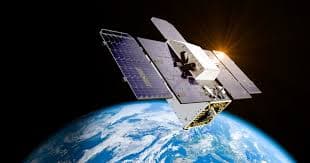
Google’s October 1 launch of its Project Suncatcher prototype satellite aboard a SpaceX Falcon 9 rocket represents the clearest recent catalyst for trader sentiment, marking the first in-orbit test of the company’s tensor processing units (TPUs) for solar-powered AI workloads in low-Earth orbit. The refrigerator-sized payload survived vibration testing and proton irradiation trials exceeding expected five-year radiation doses, with the chips briefly running Gemini queries before thermal limits require shutdown. SpaceX’s parallel Starmind plans, targeting supercomputing satellites in 2027 and regulatory filings for up to one million orbital data-center platforms, add competitive pressure and shared infrastructure incentives, though the firms’ existing relationship centers on a large ground-based GPU lease rather than a formal orbital agreement. Key near-term catalysts include Google’s two additional laser-link satellites slated for 2027 and SpaceX’s first dedicated AI satellite deployments, which could clarify whether technical hurdles like inter-satellite communication and radiation hardening support broader market-implied timelines.
基于Polymarket数据的AI实验性摘要。这不是交易建议,也不影响该市场的结算方式。 · 更新于View resolved
警惕外部链接哦。
警惕外部链接哦。
常见问题