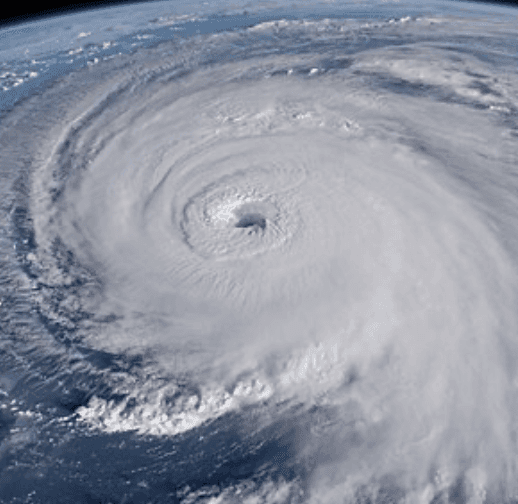
Recent satellite and NHC observations show Tropical Depression Hernan in the eastern Pacific east of 140°W, with model guidance indicating rapid organization and potential intensification to hurricane strength within the next 24–48 hours under favorable sea-surface temperatures and low wind shear. El Niño-enhanced conditions have already produced seven named storms this season, above the long-term average, supporting the market’s 73.5% weighting on formation by August 16. Central Pacific Tropical Storm Lala adds further regional activity but remains below hurricane thresholds. Updated NHC outlooks and next model runs through the weekend will refine timing, while historical August climatology confirms this window aligns with peak eastern Pacific genesis.
Experimentelle KI-generierte Zusammenfassung mit Polymarket-Daten. Dies ist keine Handelsberatung und spielt keine Rolle bei der Auflösung dieses Marktes. · AktualisiertWann wird sich der nächste Hurrikan im Pazifik bilden?
Wann wird sich der nächste Hurrikan im Pazifik bilden?
13. bis 16. August 2026 61%
27. August bis 31. August 2026 17%
22. bis 26. August 2026 7%
Im August 2026 wird sich kein Pazifik-Hurrikan bilden 2%
13. bis 16. August 2026
74%
17. August bis 21. August 2026
37%
22. bis 26. August 2026
13%
27. August bis 31. August 2026
17%
Im August 2026 wird sich kein Pazifik-Hurrikan bilden
2%
13. bis 16. August 2026 61%
27. August bis 31. August 2026 17%
22. bis 26. August 2026 7%
Im August 2026 wird sich kein Pazifik-Hurrikan bilden 2%
13. bis 16. August 2026
74%
17. August bis 21. August 2026
37%
22. bis 26. August 2026
13%
27. August bis 31. August 2026
17%
Im August 2026 wird sich kein Pazifik-Hurrikan bilden
2%
A tropical cyclone is considered a hurricane when it has maximum sustained winds of 74 mph or greater (Category 1 or higher on the Saffir-Simpson Hurricane Wind Scale). For this market, the "Pacific" comprises the Eastern Pacific basin and the Central Pacific basin as tracked by the NHC and CPHC. Systems classified as typhoons do not count. A system is considered to have "formed" as a hurricane at the date and time of the first NHC or CPHC public advisory that classifies a system in these basins as a hurricane. Resolution is based on that first advisory, regardless of any later downward revision or reclassification. The sole determinant of when the hurricane formed is the issuance timestamp of that first classifying advisory, not the estimated time at which the system's winds first reached 74 mph; for a system that straddles midnight between August 31 and September 1, 2026, the applicable bracket is determined solely by whether that advisory's issuance timestamp falls before or after 12:00 AM ET on September 1, 2026.
The bracket "No Pacific hurricane will form in August 2026" will resolve "Yes" if no NHC or CPHC advisory classifies any Eastern Pacific or Central Pacific system as a hurricane at any time from 12:00 AM ET on August 13, 2026 through 11:59 PM ET on August 31, 2026.
The resolution sources for this market are the U.S. National Hurricane Center (NHC), available here: https://www.nhc.noaa.gov/, and the Central Pacific Hurricane Center (CPHC), available here: https://www.nhc.noaa.gov/?cpac
Markt eröffnet: Aug 12, 2026, 11:19 AM ET
Abwicklungsquelle
https://www.nhc.noaa.gov/Resolver
0x69c47De9D...A tropical cyclone is considered a hurricane when it has maximum sustained winds of 74 mph or greater (Category 1 or higher on the Saffir-Simpson Hurricane Wind Scale). For this market, the "Pacific" comprises the Eastern Pacific basin and the Central Pacific basin as tracked by the NHC and CPHC. Systems classified as typhoons do not count. A system is considered to have "formed" as a hurricane at the date and time of the first NHC or CPHC public advisory that classifies a system in these basins as a hurricane. Resolution is based on that first advisory, regardless of any later downward revision or reclassification. The sole determinant of when the hurricane formed is the issuance timestamp of that first classifying advisory, not the estimated time at which the system's winds first reached 74 mph; for a system that straddles midnight between August 31 and September 1, 2026, the applicable bracket is determined solely by whether that advisory's issuance timestamp falls before or after 12:00 AM ET on September 1, 2026.
The bracket "No Pacific hurricane will form in August 2026" will resolve "Yes" if no NHC or CPHC advisory classifies any Eastern Pacific or Central Pacific system as a hurricane at any time from 12:00 AM ET on August 13, 2026 through 11:59 PM ET on August 31, 2026.
The resolution sources for this market are the U.S. National Hurricane Center (NHC), available here: https://www.nhc.noaa.gov/, and the Central Pacific Hurricane Center (CPHC), available here: https://www.nhc.noaa.gov/?cpac
Abwicklungsquelle
https://www.nhc.noaa.gov/Resolver
0x69c47De9D...Recent satellite and NHC observations show Tropical Depression Hernan in the eastern Pacific east of 140°W, with model guidance indicating rapid organization and potential intensification to hurricane strength within the next 24–48 hours under favorable sea-surface temperatures and low wind shear. El Niño-enhanced conditions have already produced seven named storms this season, above the long-term average, supporting the market’s 73.5% weighting on formation by August 16. Central Pacific Tropical Storm Lala adds further regional activity but remains below hurricane thresholds. Updated NHC outlooks and next model runs through the weekend will refine timing, while historical August climatology confirms this window aligns with peak eastern Pacific genesis.
Experimentelle KI-generierte Zusammenfassung mit Polymarket-Daten. Dies ist keine Handelsberatung und spielt keine Rolle bei der Auflösung dieses Marktes. · Aktualisiert
Vorsicht bei externen Links.
Vorsicht bei externen Links.
Häufig gestellte Fragen