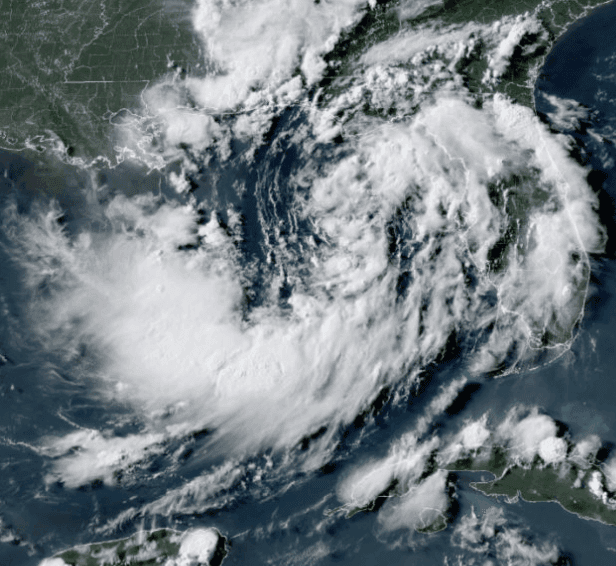
Persistent El Niño conditions and associated wind shear have suppressed early-season development, with only three tropical storms forming through mid-August and none intensifying into hurricanes, well below the 1991–2020 average of seven. NOAA’s August update maintains a below-normal outlook of 2–6 hurricanes for the full season, consistent with Colorado State University’s forecast of four, while Accumulated Cyclone Energy remains extremely low at roughly 3 units. The primary variables differentiating the closely matched 4–6 and 1–3 market outcomes are the extent of late-season intensification in the Main Development Region and any rapid weakening of El Niño before peak activity in September. Updated National Hurricane Center model runs and September sea-surface temperature observations will provide the next key data points for traders.
Resumen experimental generado por IA con datos de Polymarket. Esto no es asesoramiento de trading y no influye en cómo se resuelve este mercado. · Actualizado¿Cuántos huracanes se formarán durante la temporada de huracanes del Atlántico en 2026?
¿Cuántos huracanes se formarán durante la temporada de huracanes del Atlántico en 2026?
4-6 46%
1-3 40%
7+ 11%
0 7%
0
7%
1-3
40%
4-6
44%
7+
19%
4-6 46%
1-3 40%
7+ 11%
0 7%
0
7%
1-3
40%
4-6
44%
7+
19%
If there is no storm categorized as a hurricane in the Atlantic during the specified timeframe this market will resolve to "0".
A hurricane is a tropical cyclone with maximum sustained winds of 74 mph or greater (Category 1 or higher on the Saffir-Simpson Hurricane Wind Scale), as described at https://www.nhc.noaa.gov/aboutsshws.php.
This market may resolve based on the initial NHC advisory reporting a qualifying hurricane regardless of any later advisory, retraction, best-track revision, or reanalysis that revises that storm's intensity downward. The official count will be determined by the NHC (nhc.noaa.gov) advisories.
Mercado abierto: Jul 28, 2026, 4:49 PM ET
Resolver
0x69c47De9D...If there is no storm categorized as a hurricane in the Atlantic during the specified timeframe this market will resolve to "0".
A hurricane is a tropical cyclone with maximum sustained winds of 74 mph or greater (Category 1 or higher on the Saffir-Simpson Hurricane Wind Scale), as described at https://www.nhc.noaa.gov/aboutsshws.php.
This market may resolve based on the initial NHC advisory reporting a qualifying hurricane regardless of any later advisory, retraction, best-track revision, or reanalysis that revises that storm's intensity downward. The official count will be determined by the NHC (nhc.noaa.gov) advisories.
Resolver
0x69c47De9D...Persistent El Niño conditions and associated wind shear have suppressed early-season development, with only three tropical storms forming through mid-August and none intensifying into hurricanes, well below the 1991–2020 average of seven. NOAA’s August update maintains a below-normal outlook of 2–6 hurricanes for the full season, consistent with Colorado State University’s forecast of four, while Accumulated Cyclone Energy remains extremely low at roughly 3 units. The primary variables differentiating the closely matched 4–6 and 1–3 market outcomes are the extent of late-season intensification in the Main Development Region and any rapid weakening of El Niño before peak activity in September. Updated National Hurricane Center model runs and September sea-surface temperature observations will provide the next key data points for traders.
Resumen experimental generado por IA con datos de Polymarket. Esto no es asesoramiento de trading y no influye en cómo se resuelve este mercado. · Actualizado

Cuidado con los enlaces externos.
Cuidado con los enlaces externos.
Preguntas frecuentes