
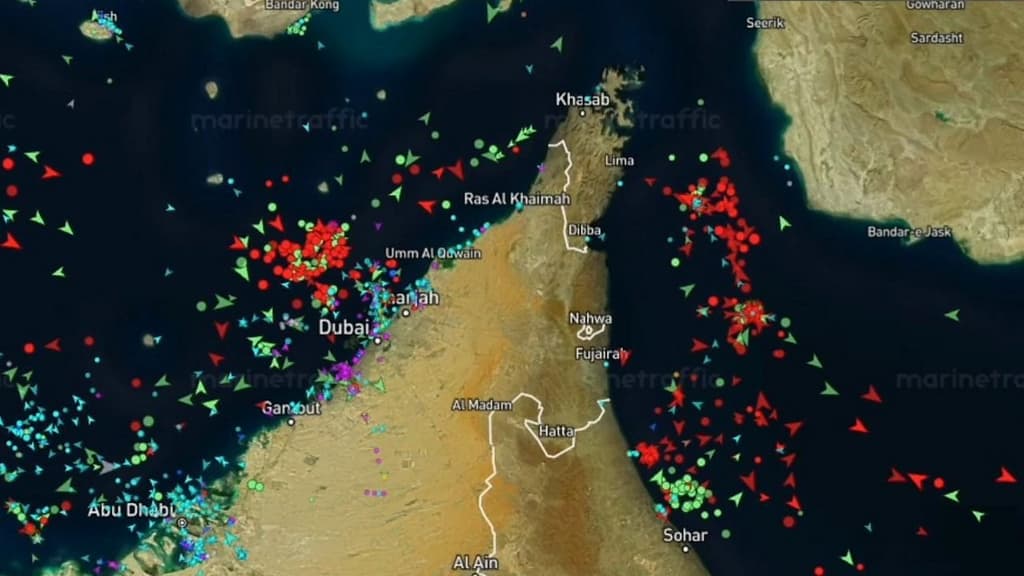
Ongoing US-Iran naval tensions and repeated attacks on commercial vessels through August 2026 have kept Strait of Hormuz transit volumes far below pre-crisis levels of roughly 100 ships daily, sustaining elevated global oil price volatility and risk premiums in energy futures. US destroyers have conducted multiple transits under fire while enforcing blockades, with India and Pakistan deploying escorts to the Gulf of Oman; European and Asian allies await durable ceasefire signals before committing minesweepers or frigates. Traders monitor these developments for their direct effects on Brent and WTI benchmarks, tanker rates, and downstream refining margins, as any sustained multinational naval presence could ease supply constraints or trigger fresh Iranian retaliation that widens spreads.
Resumen experimental generado por IA con datos de Polymarket. Esto no es asesoramiento de trading y no influye en cómo se resuelve este mercado. · Actualizado¿Qué países enviarán buques de guerra a través del Estrecho de Ormuz antes del 31 de agosto?
¿Qué países enviarán buques de guerra a través del Estrecho de Ormuz antes del 31 de agosto?
$233,357 Vol.

EE. UU.
5%

Francia
2%

Reino Unido
1%

Países Bajos
1%

Italia
1%

Australia
1%

Grecia
1%

Alemania
1%
$233,357 Vol.
EE. UU.
5%
Francia
2%
Reino Unido
1%
Países Bajos
1%
Italia
1%
Australia
1%
Grecia
1%
Alemania
1%
A "warship transit" is defined as a military vessel passing through the Strait of Hormuz. Military cargo or support vessels will be considered “warships”; however, commercial or civilian vessels will not qualify.
For the purposes of this market, only transits through the Strait of Hormuz will be considered, defined as passage through the narrowest portion of the waterway between Iran and Oman. Operations solely in the Persian Gulf, Gulf of Oman, or Arabian Sea without passage through this narrowest section will not qualify.
Official confirmation by a national government or its military that its vessels transited through the Strait of Hormuz during the specified timeframe will resolve this market immediately. An overwhelming consensus of credible reporting confirming that such a transit occurred during the specified timeframe will also suffice.
Qualifying confirmations must be made within this markets above specified timeframe and include official announcements that a country has deployed naval vessels to transit or escort shipping through the Strait of Hormuz.
Confirmations referring only to naval presence in the broader region, including the Persian Gulf, Gulf of Oman, or Arabian Sea, without confirmed transit through the Strait itself, as well as aerial operations, cyber operations, or actions by proxies or third parties, will not alone qualify.
The primary resolution source for this market will be official information by the respective national governments or their militaries; however, an overwhelming consensus of credible reporting will also suffice.
Mercado abierto: Jul 31, 2026, 10:14 AM ET
Resolver
0x65070BE91...A "warship transit" is defined as a military vessel passing through the Strait of Hormuz. Military cargo or support vessels will be considered “warships”; however, commercial or civilian vessels will not qualify.
For the purposes of this market, only transits through the Strait of Hormuz will be considered, defined as passage through the narrowest portion of the waterway between Iran and Oman. Operations solely in the Persian Gulf, Gulf of Oman, or Arabian Sea without passage through this narrowest section will not qualify.
Official confirmation by a national government or its military that its vessels transited through the Strait of Hormuz during the specified timeframe will resolve this market immediately. An overwhelming consensus of credible reporting confirming that such a transit occurred during the specified timeframe will also suffice.
Qualifying confirmations must be made within this markets above specified timeframe and include official announcements that a country has deployed naval vessels to transit or escort shipping through the Strait of Hormuz.
Confirmations referring only to naval presence in the broader region, including the Persian Gulf, Gulf of Oman, or Arabian Sea, without confirmed transit through the Strait itself, as well as aerial operations, cyber operations, or actions by proxies or third parties, will not alone qualify.
The primary resolution source for this market will be official information by the respective national governments or their militaries; however, an overwhelming consensus of credible reporting will also suffice.
Resolver
0x65070BE91...Ongoing US-Iran naval tensions and repeated attacks on commercial vessels through August 2026 have kept Strait of Hormuz transit volumes far below pre-crisis levels of roughly 100 ships daily, sustaining elevated global oil price volatility and risk premiums in energy futures. US destroyers have conducted multiple transits under fire while enforcing blockades, with India and Pakistan deploying escorts to the Gulf of Oman; European and Asian allies await durable ceasefire signals before committing minesweepers or frigates. Traders monitor these developments for their direct effects on Brent and WTI benchmarks, tanker rates, and downstream refining margins, as any sustained multinational naval presence could ease supply constraints or trigger fresh Iranian retaliation that widens spreads.
Resumen experimental generado por IA con datos de Polymarket. Esto no es asesoramiento de trading y no influye en cómo se resuelve este mercado. · Actualizado
Cuidado con los enlaces externos.
Cuidado con los enlaces externos.
Preguntas frecuentes