
Below-normal activity has kept the Atlantic free of hurricanes through mid-August despite three early tropical storms, leaving the first hurricane likely to form from the next system onward amid a 75% chance of a below-normal season per the latest NOAA update. Steering patterns, sea-surface temperatures, and wind shear tied to emerging El Niño conditions continue to suppress rapid intensification, positioning Dolly—the next name on the list—as the consensus frontrunner at 41% implied probability while Edouard and Fay trail at 24% and 21.5%. Traders are watching the climatological peak in September for model consensus shifts and any late-August disturbances that could reach the 74-knot threshold first.
Résumé expérimental généré par IA à partir des données Polymarket. Ceci n'est pas un conseil de trading et ne joue aucun rôle dans la résolution de ce marché. · Mis à jourQuel sera le nom du premier ouragan dans l'Atlantique pour la saison des ouragans 2026 ?
Quel sera le nom du premier ouragan dans l'Atlantique pour la saison des ouragans 2026 ?
Dolly 41%
Fay 26%
Edouard 24%
Isaias 6.8%
NOUVEAU
NOUVEAU
1 déc. 2026
Cristobal
2%
Dolly
41%
Edouard
24%
Fay
26%
Gonzalo
5%
Hanna
5%
Isaias
7%
Joséphine
5%
Kyle
3%
Leah
3%
Marco
5%
Nana
5%
Omar
5%
Paulette
5%
René
5%
Sally
3%
Teddy
5%
Vicky
4%
Wilfred
4%
Autre
4%
Dolly 41%
Fay 26%
Edouard 24%
Isaias 6.8%
NOUVEAU
NOUVEAU
1 déc. 2026
Cristobal
$1,667 Vol.
2%
Dolly
$383 Vol.
41%
Edouard
$1,073 Vol.
24%
Fay
$514 Vol.
26%
Gonzalo
$472 Vol.
5%
Hanna
$98 Vol.
5%
Isaias
$350 Vol.
7%
Joséphine
$55 Vol.
5%
Kyle
$94 Vol.
3%
Leah
$59 Vol.
3%
Marco
$111 Vol.
5%
Nana
$51 Vol.
5%
Omar
$67 Vol.
5%
Paulette
$71 Vol.
5%
René
$63 Vol.
5%
Sally
$131 Vol.
3%
Teddy
$63 Vol.
5%
Vicky
$90 Vol.
4%
Wilfred
$118 Vol.
4%
Autre
$63 Vol.
4%
This market will resolve according to the name of the first named storm categorized as a hurricane in the Atlantic from the creation of this market through November 30, 2026 11:59:59 PM ET. If there is no storm categorized as a hurricane in the Atlantic between market creation through November 30, 2026 11:59:59 PM ET, then this market resolves to "Other".
A hurricane is a tropical cyclone with maximum sustained winds of 74 mph or greater (Category 1 or higher on the Saffir-Simpson Hurricane Wind Scale), as described at https://www.nhc.noaa.gov/aboutsshws.php. A tropical storm will not qualify as a hurricane even if it is named.
All names are from the NHC list of 2026 Atlantic Names (https://www.nhc.noaa.gov/aboutnames.shtml).
This market may resolve based on the initial NHC advisory reporting a qualifying hurricane regardless of any later advisory, retraction, best-track revision, or reanalysis that revises that storm's intensity downward. Below-normal activity has kept the Atlantic free of hurricanes through mid-August despite three early tropical storms, leaving the first hurricane likely to form from the next system onward amid a 75% chance of a below-normal season per the latest NOAA update. Steering patterns, sea-surface temperatures, and wind shear tied to emerging El Niño conditions continue to suppress rapid intensification, positioning Dolly—the next name on the list—as the consensus frontrunner at 41% implied probability while Edouard and Fay trail at 24% and 21.5%. Traders are watching the climatological peak in September for model consensus shifts and any late-August disturbances that could reach the 74-knot threshold first.
This market will resolve according to the name of the first named storm categorized as a hurricane in the Atlantic from the creation of this market through November 30, 2026 11:59:59 PM ET. If there is no storm categorized as a hurricane in the Atlantic between market creation through November 30, 2026 11:59:59 PM ET, then this market resolves to "Other".
A hurricane is a tropical cyclone with maximum sustained winds of 74 mph or greater (Category 1 or higher on the Saffir-Simpson Hurricane Wind Scale), as described at https://www.nhc.noaa.gov/aboutsshws.php. A tropical storm will not qualify as a hurricane even if it is named.
All names are from the NHC list of 2026 Atlantic Names (https://www.nhc.noaa.gov/aboutnames.shtml).
This market may resolve based on the initial NHC advisory reporting a qualifying hurricane regardless of any later advisory, retraction, best-track revision, or reanalysis that revises that storm's intensity downward.
A hurricane is a tropical cyclone with maximum sustained winds of 74 mph or greater (Category 1 or higher on the Saffir-Simpson Hurricane Wind Scale), as described at https://www.nhc.noaa.gov/aboutsshws.php. A tropical storm will not qualify as a hurricane even if it is named.
All names are from the NHC list of 2026 Atlantic Names (https://www.nhc.noaa.gov/aboutnames.shtml).
This market may resolve based on the initial NHC advisory reporting a qualifying hurricane regardless of any later advisory, retraction, best-track revision, or reanalysis that revises that storm's intensity downward.
Marché ouvert : Jul 24, 2026, 12:54 PM ET
Volume
$5,595Date de fin
2 déc. 2026Marché ouvert
Jul 24, 2026, 12:54 PM ETResolver
0x69c47De9D...This market will resolve according to the name of the first named storm categorized as a hurricane in the Atlantic from the creation of this market through November 30, 2026 11:59:59 PM ET. If there is no storm categorized as a hurricane in the Atlantic between market creation through November 30, 2026 11:59:59 PM ET, then this market resolves to "Other".
A hurricane is a tropical cyclone with maximum sustained winds of 74 mph or greater (Category 1 or higher on the Saffir-Simpson Hurricane Wind Scale), as described at https://www.nhc.noaa.gov/aboutsshws.php. A tropical storm will not qualify as a hurricane even if it is named.
All names are from the NHC list of 2026 Atlantic Names (https://www.nhc.noaa.gov/aboutnames.shtml).
This market may resolve based on the initial NHC advisory reporting a qualifying hurricane regardless of any later advisory, retraction, best-track revision, or reanalysis that revises that storm's intensity downward. Below-normal activity has kept the Atlantic free of hurricanes through mid-August despite three early tropical storms, leaving the first hurricane likely to form from the next system onward amid a 75% chance of a below-normal season per the latest NOAA update. Steering patterns, sea-surface temperatures, and wind shear tied to emerging El Niño conditions continue to suppress rapid intensification, positioning Dolly—the next name on the list—as the consensus frontrunner at 41% implied probability while Edouard and Fay trail at 24% and 21.5%. Traders are watching the climatological peak in September for model consensus shifts and any late-August disturbances that could reach the 74-knot threshold first.
This market will resolve according to the name of the first named storm categorized as a hurricane in the Atlantic from the creation of this market through November 30, 2026 11:59:59 PM ET. If there is no storm categorized as a hurricane in the Atlantic between market creation through November 30, 2026 11:59:59 PM ET, then this market resolves to "Other".
A hurricane is a tropical cyclone with maximum sustained winds of 74 mph or greater (Category 1 or higher on the Saffir-Simpson Hurricane Wind Scale), as described at https://www.nhc.noaa.gov/aboutsshws.php. A tropical storm will not qualify as a hurricane even if it is named.
All names are from the NHC list of 2026 Atlantic Names (https://www.nhc.noaa.gov/aboutnames.shtml).
This market may resolve based on the initial NHC advisory reporting a qualifying hurricane regardless of any later advisory, retraction, best-track revision, or reanalysis that revises that storm's intensity downward.
A hurricane is a tropical cyclone with maximum sustained winds of 74 mph or greater (Category 1 or higher on the Saffir-Simpson Hurricane Wind Scale), as described at https://www.nhc.noaa.gov/aboutsshws.php. A tropical storm will not qualify as a hurricane even if it is named.
All names are from the NHC list of 2026 Atlantic Names (https://www.nhc.noaa.gov/aboutnames.shtml).
This market may resolve based on the initial NHC advisory reporting a qualifying hurricane regardless of any later advisory, retraction, best-track revision, or reanalysis that revises that storm's intensity downward.
Volume
$5,595Date de fin
2 déc. 2026Marché ouvert
Jul 24, 2026, 12:54 PM ETResolver
0x69c47De9D...Below-normal activity has kept the Atlantic free of hurricanes through mid-August despite three early tropical storms, leaving the first hurricane likely to form from the next system onward amid a 75% chance of a below-normal season per the latest NOAA update. Steering patterns, sea-surface temperatures, and wind shear tied to emerging El Niño conditions continue to suppress rapid intensification, positioning Dolly—the next name on the list—as the consensus frontrunner at 41% implied probability while Edouard and Fay trail at 24% and 21.5%. Traders are watching the climatological peak in September for model consensus shifts and any late-August disturbances that could reach the 74-knot threshold first.
Résumé expérimental généré par IA à partir des données Polymarket. Ceci n'est pas un conseil de trading et ne joue aucun rôle dans la résolution de ce marché. · Mis à jour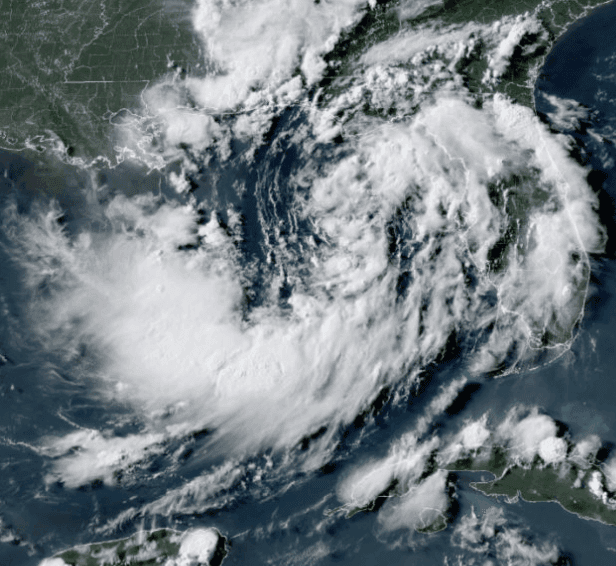

Méfiez-vous des liens externes.
Méfiez-vous des liens externes.
Questions fréquentes