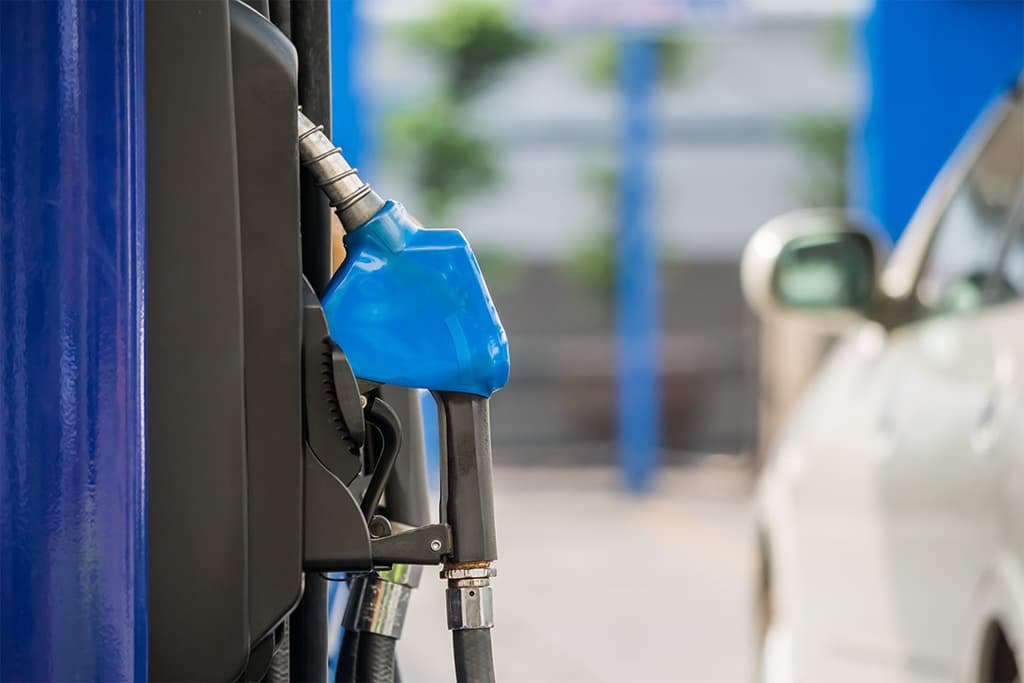
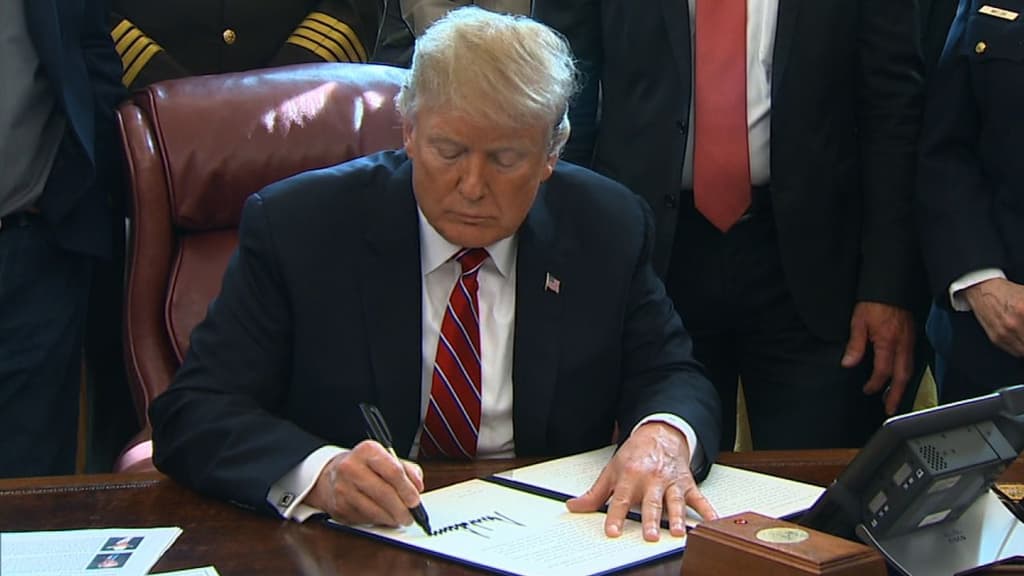
**Rising U.S. gasoline prices, driven by the 2026 Iran conflict and related supply disruptions in the Strait of Hormuz, have fueled repeated calls for a temporary federal gas tax suspension.** The 18.4-cent-per-gallon excise tax (24.4 cents for diesel) funds the Highway Trust Fund, and multiple bills introduced in May 2026—including Sen. Josh Hawley’s Gas Tax Suspension Act (90-day pause, extendable by the president) and Democratic proposals through October—aim to provide relief. President Trump has publicly endorsed the idea, noting it could ease costs for drivers amid prices exceeding $4 per gallon. **However, Congress has not advanced any legislation despite bipartisan interest, consistent with the tax’s uninterrupted history since 1956.** Passage requires both chambers and presidential signature; the executive branch cannot act unilaterally. Revenue losses (estimated at $3–10 billion for short suspensions) and potential impacts on highway funding remain key obstacles. Recent administration actions, such as EPA emergency fuel waivers issued in August 2026 to boost summer-blend supply, address prices through regulatory means instead. **State-level gas tax holidays (e.g., Indiana extensions) demonstrate localized responses but do not affect federal rates.** With the market focused on congressional action by specific deadlines (such as November 2, 2026), trader probabilities reflect the absence of floor votes or committee progress since the spring proposals. Upcoming legislative sessions or further price spikes could shift momentum, though structural barriers and competing priorities continue to weigh on prospects.
Ringkasan eksperimental yang dihasilkan AI dengan referensi data Polymarket. Ini bukan saran trading dan tidak berperan dalam bagaimana pasar ini diselesaikan. · Diperbarui$33,435 Vol.
November 2
18%
$33,435 Vol.
November 2
18%
This market will resolve to "Yes" if legislation that would, at least temporarily, suspend the federal excise tax on gasoline is passed by both chambers of the U.S. Congress and signed into law by the specified date (ET). Otherwise, this market will resolve to "No".
Qualifying legislation may include joint resolutions and must pass both the House and the Senate, and must be signed by the President, become law without signature while Congress remains in session, or become law through veto override. Presidential pocket vetoes that expire will not qualify.
The primary resolution sources for this market will be Congress.gov’s legislation tracker (https://www.congress.gov/bill/119th-congress/house-bill/22), the Library of Congress (congress.gov), and other official information from the government of the United States; however, a consensus of credible reporting may also be used.
Pasar Dibuka: May 12, 2026, 1:38 PM ET
Resolver
0x65070BE91...This market will resolve to "Yes" if legislation that would, at least temporarily, suspend the federal excise tax on gasoline is passed by both chambers of the U.S. Congress and signed into law by the specified date (ET). Otherwise, this market will resolve to "No".
Qualifying legislation may include joint resolutions and must pass both the House and the Senate, and must be signed by the President, become law without signature while Congress remains in session, or become law through veto override. Presidential pocket vetoes that expire will not qualify.
The primary resolution sources for this market will be Congress.gov’s legislation tracker (https://www.congress.gov/bill/119th-congress/house-bill/22), the Library of Congress (congress.gov), and other official information from the government of the United States; however, a consensus of credible reporting may also be used.
Resolver
0x65070BE91...**Rising U.S. gasoline prices, driven by the 2026 Iran conflict and related supply disruptions in the Strait of Hormuz, have fueled repeated calls for a temporary federal gas tax suspension.** The 18.4-cent-per-gallon excise tax (24.4 cents for diesel) funds the Highway Trust Fund, and multiple bills introduced in May 2026—including Sen. Josh Hawley’s Gas Tax Suspension Act (90-day pause, extendable by the president) and Democratic proposals through October—aim to provide relief. President Trump has publicly endorsed the idea, noting it could ease costs for drivers amid prices exceeding $4 per gallon. **However, Congress has not advanced any legislation despite bipartisan interest, consistent with the tax’s uninterrupted history since 1956.** Passage requires both chambers and presidential signature; the executive branch cannot act unilaterally. Revenue losses (estimated at $3–10 billion for short suspensions) and potential impacts on highway funding remain key obstacles. Recent administration actions, such as EPA emergency fuel waivers issued in August 2026 to boost summer-blend supply, address prices through regulatory means instead. **State-level gas tax holidays (e.g., Indiana extensions) demonstrate localized responses but do not affect federal rates.** With the market focused on congressional action by specific deadlines (such as November 2, 2026), trader probabilities reflect the absence of floor votes or committee progress since the spring proposals. Upcoming legislative sessions or further price spikes could shift momentum, though structural barriers and competing priorities continue to weigh on prospects.
Ringkasan eksperimental yang dihasilkan AI dengan referensi data Polymarket. Ini bukan saran trading dan tidak berperan dalam bagaimana pasar ini diselesaikan. · Diperbarui

Hati-hati dengan link eksternal.
Hati-hati dengan link eksternal.
Pertanyaan yang Sering Diajukan