
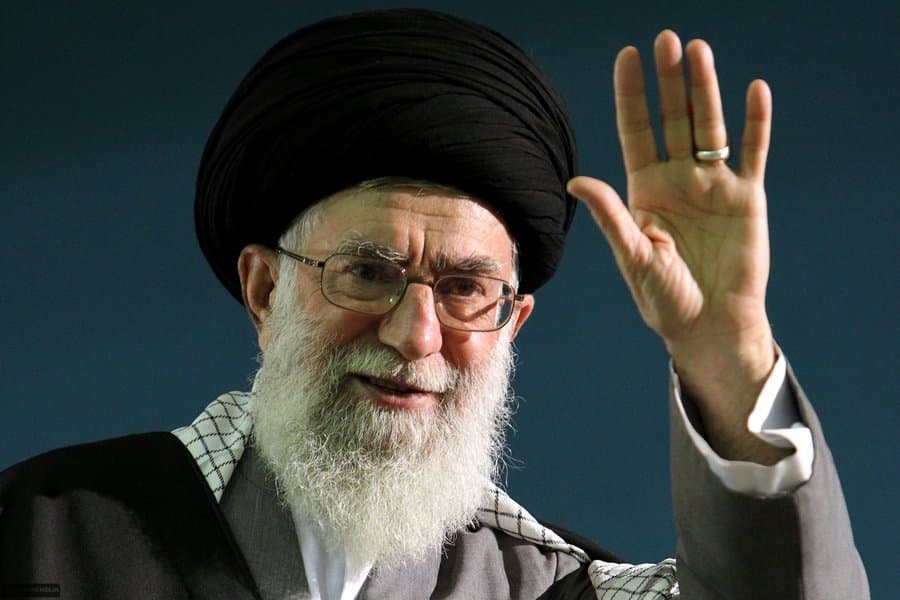
Mojtaba Khamenei holds the strongest position in trader consensus for Iran's supreme leadership by the end of 2026 due to his swift selection by the Assembly of Experts in March following the February assassination of his father, Ali Khamenei. The clerical body's unanimous vote installed the 56-year-old hardliner, who maintains close ties to the Islamic Revolutionary Guard Corps and security apparatus, enabling rapid consolidation of authority amid ongoing regional tensions. This outcome aligns with established patterns of institutional continuity in Iran's theocratic system, where designated successors often stabilize power quickly after leadership transitions. Alternative candidates, including Reza Pahlavi and various clerics or officials, register far lower probabilities because no major regime shifts, military reversals, or internal challenges have materialized in the subsequent months to disrupt the current succession framework. Scheduled policy reviews and diplomatic engagements through late 2026 could still introduce volatility, though current positioning favors stability under the sitting leader.
Ringkasan eksperimental yang dihasilkan AI dengan referensi data Polymarket. Ini bukan saran trading dan tidak berperan dalam bagaimana pasar ini diselesaikan. Β· DiperbaruiPemimpin Iran akhir 2026?
Mojtaba KhameneiΒ 64.1%
Reza PahlaviΒ 7%
Mohammad-Bagher GhalibafΒ 5.3%
Tidak Ada Kepala NegaraΒ 2.6%
$8,456,655 Vol.
$8,456,655 Vol.
Mojtaba Khamenei
64%
Reza Pahlavi
7%
Mohammad-Bagher Ghalibaf
5%
Tidak Ada Kepala Negara
3%
Abbas Araghchi
3%
Ahmad Vahidi
2%
Hassan Rouhani
1%
Alireza Arafi
1%
Hassan Khomeini
1%
Maryam Rajavi
1%
Massoud Rajavi
1%
Gholam-Ali Haddad-Adel
1%
Masoud Pezeshkian
1%
Mahmoud Ahmadinejad
<1%
Navid Shomali
<1%
Mohammad Khatami
<1%
Sadegh Larijani
<1%
Ali Asghar Hejazi
<1%
Muhammad Mirbaqiri
<1%
Hassan Shariatmadari
<1%
Reza Pirzadeh
<1%
Mostafa Pourmohammadi
<1%
Saeed Jalili
<1%
Mohsen Araki
<1%
Seyed Hossein Mousavian
<1%
Mustafa Hijri
<1%
Ali Motahari
<1%
Sadegh Mahsouli
<1%
Nasir Hosseini
<1%
Ahmad Hosseini Khorasani
<1%
Mojtaba KhameneiΒ 64.1%
Reza PahlaviΒ 7%
Mohammad-Bagher GhalibafΒ 5.3%
Tidak Ada Kepala NegaraΒ 2.6%
$8,456,655 Vol.
$8,456,655 Vol.
Mojtaba Khamenei
64%
Reza Pahlavi
7%
Mohammad-Bagher Ghalibaf
5%
Tidak Ada Kepala Negara
3%
Abbas Araghchi
3%
Ahmad Vahidi
2%
Hassan Rouhani
1%
Alireza Arafi
1%
Hassan Khomeini
1%
Maryam Rajavi
1%
Massoud Rajavi
1%
Gholam-Ali Haddad-Adel
1%
Masoud Pezeshkian
1%
Mahmoud Ahmadinejad
<1%
Navid Shomali
<1%
Mohammad Khatami
<1%
Sadegh Larijani
<1%
Ali Asghar Hejazi
<1%
Muhammad Mirbaqiri
<1%
Hassan Shariatmadari
<1%
Reza Pirzadeh
<1%
Mostafa Pourmohammadi
<1%
Saeed Jalili
<1%
Mohsen Araki
<1%
Seyed Hossein Mousavian
<1%
Mustafa Hijri
<1%
Ali Motahari
<1%
Sadegh Mahsouli
<1%
Nasir Hosseini
<1%
Ahmad Hosseini Khorasani
<1%
For the purposes of this market, βde facto holdsβ refers to the individual who exercises primary governing authority over the Iranian state at that time, including effective control over the armed forces, national institutions, and core executive decision-making, regardless of formal title, constitutional designation, or international recognition.
Formal appointment, recognition by the United Nations, or recognition by foreign governments is not required.
If more than one individual claims to be head of state, this market will resolve to the individual who demonstrably exercises primary governing control within Iranβs territory at the specified time.
Indicators of de facto authority may include control over the armed forces and security services; control over executive ministries and state administrative institutions; enforcement of national laws; issuance of binding national directives; and effective control over the capital and core state infrastructure.
Symbolic status, foreign recognition without domestic control, nomination without effective authority, or expired prior service will not qualify.
If no individual exercises effective governing control at the specified time, this market will resolve to βNo Head of Stateβ.
The primary resolution source will be a consensus of credible reporting assessing who exercises effective governing authority at the specified time.
Pasar Dibuka: Feb 28, 2026, 7:12 PM ET
Resolver
0x69c47De9D...For the purposes of this market, βde facto holdsβ refers to the individual who exercises primary governing authority over the Iranian state at that time, including effective control over the armed forces, national institutions, and core executive decision-making, regardless of formal title, constitutional designation, or international recognition.
Formal appointment, recognition by the United Nations, or recognition by foreign governments is not required.
If more than one individual claims to be head of state, this market will resolve to the individual who demonstrably exercises primary governing control within Iranβs territory at the specified time.
Indicators of de facto authority may include control over the armed forces and security services; control over executive ministries and state administrative institutions; enforcement of national laws; issuance of binding national directives; and effective control over the capital and core state infrastructure.
Symbolic status, foreign recognition without domestic control, nomination without effective authority, or expired prior service will not qualify.
If no individual exercises effective governing control at the specified time, this market will resolve to βNo Head of Stateβ.
The primary resolution source will be a consensus of credible reporting assessing who exercises effective governing authority at the specified time.
Resolver
0x69c47De9D...Mojtaba Khamenei holds the strongest position in trader consensus for Iran's supreme leadership by the end of 2026 due to his swift selection by the Assembly of Experts in March following the February assassination of his father, Ali Khamenei. The clerical body's unanimous vote installed the 56-year-old hardliner, who maintains close ties to the Islamic Revolutionary Guard Corps and security apparatus, enabling rapid consolidation of authority amid ongoing regional tensions. This outcome aligns with established patterns of institutional continuity in Iran's theocratic system, where designated successors often stabilize power quickly after leadership transitions. Alternative candidates, including Reza Pahlavi and various clerics or officials, register far lower probabilities because no major regime shifts, military reversals, or internal challenges have materialized in the subsequent months to disrupt the current succession framework. Scheduled policy reviews and diplomatic engagements through late 2026 could still introduce volatility, though current positioning favors stability under the sitting leader.
Ringkasan eksperimental yang dihasilkan AI dengan referensi data Polymarket. Ini bukan saran trading dan tidak berperan dalam bagaimana pasar ini diselesaikan. Β· Diperbarui
Hati-hati dengan link eksternal.
Pertanyaan yang Sering Diajukan