
Reza Pahlavi's prospects for leading Iran in 2026 remain remote, as the Islamic Republic's institutions have endured major external pressure including U.S.-Israel strikes and the February 2026 killing of Supreme Leader Ali Khamenei without triggering a transition. Trader consensus at 96.8% on "No" reflects Pahlavi's continued exile, limited organized backing inside Iran, fragmented opposition coalitions, and U.S. policy signals distancing the administration from endorsing him as a successor. Recent reporting highlights donor fatigue, internal divisions among supporters, and polling indicating roughly one-third domestic confidence alongside comparable opposition. Structural factors such as the regime's security apparatus and preference for clerical or internal successors further constrain any rapid shift. Late-year developments like intensified unrest or coordinated elite defections could theoretically alter trajectories, though no such catalysts have materialized by mid-August.
Ringkasan eksperimental yang dihasilkan AI dengan referensi data Polymarket. Ini bukan saran trading dan tidak berperan dalam bagaimana pasar ini diselesaikan. · DiperbaruiAkankah Reza Pahlavi memimpin Iran pada tahun 2026?
Akankah Reza Pahlavi memimpin Iran pada tahun 2026?
Ya
$11,699,209 Vol.
$11,699,209 Vol.
Ya
$11,699,209 Vol.
$11,699,209 Vol.
Reza Pahlavi will be considered to hold power if he exercises primary governing authority over the Iranian state during the specified timeframe, including effective control over the armed forces, national institutions, and core executive decision-making, regardless of formal title, constitutional designation, or international recognition.
Formal appointment, recognition by the United Nations, or recognition by foreign governments is not required.
Indicators of de facto authority may include control over the armed forces and security services; control over executive ministries and state administrative institutions; enforcement of national laws; issuance of binding national directives; and effective control over the capital and core state infrastructure.
Symbolic status, foreign recognition without domestic control, exile leadership without effective authority inside Iran, nomination without effective authority, or ceremonial or transitional status without governing control will not qualify.
If Iran experiences a period in which no individual exercises effective governing control, this will not alone qualify for a “Yes” resolution unless Reza Pahlavi subsequently meets the criteria above within the specified timeframe.
The primary resolution source for this market will be a consensus of credible reporting.
Pasar Dibuka: Feb 28, 2026, 10:36 PM ET
Resolver
0x65070BE91...Reza Pahlavi will be considered to hold power if he exercises primary governing authority over the Iranian state during the specified timeframe, including effective control over the armed forces, national institutions, and core executive decision-making, regardless of formal title, constitutional designation, or international recognition.
Formal appointment, recognition by the United Nations, or recognition by foreign governments is not required.
Indicators of de facto authority may include control over the armed forces and security services; control over executive ministries and state administrative institutions; enforcement of national laws; issuance of binding national directives; and effective control over the capital and core state infrastructure.
Symbolic status, foreign recognition without domestic control, exile leadership without effective authority inside Iran, nomination without effective authority, or ceremonial or transitional status without governing control will not qualify.
If Iran experiences a period in which no individual exercises effective governing control, this will not alone qualify for a “Yes” resolution unless Reza Pahlavi subsequently meets the criteria above within the specified timeframe.
The primary resolution source for this market will be a consensus of credible reporting.
Resolver
0x65070BE91...Reza Pahlavi's prospects for leading Iran in 2026 remain remote, as the Islamic Republic's institutions have endured major external pressure including U.S.-Israel strikes and the February 2026 killing of Supreme Leader Ali Khamenei without triggering a transition. Trader consensus at 96.8% on "No" reflects Pahlavi's continued exile, limited organized backing inside Iran, fragmented opposition coalitions, and U.S. policy signals distancing the administration from endorsing him as a successor. Recent reporting highlights donor fatigue, internal divisions among supporters, and polling indicating roughly one-third domestic confidence alongside comparable opposition. Structural factors such as the regime's security apparatus and preference for clerical or internal successors further constrain any rapid shift. Late-year developments like intensified unrest or coordinated elite defections could theoretically alter trajectories, though no such catalysts have materialized by mid-August.
Ringkasan eksperimental yang dihasilkan AI dengan referensi data Polymarket. Ini bukan saran trading dan tidak berperan dalam bagaimana pasar ini diselesaikan. · Diperbarui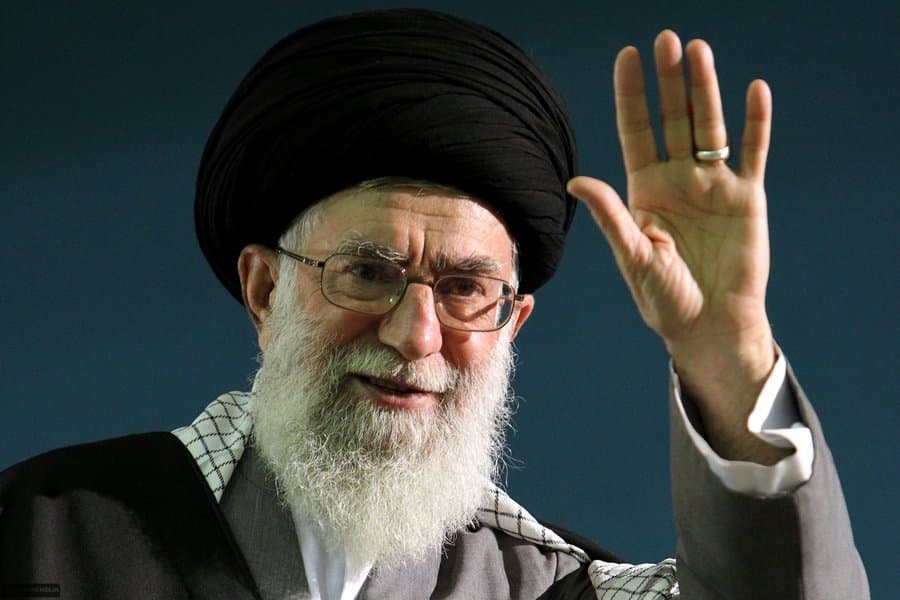

Hati-hati dengan link eksternal.
Hati-hati dengan link eksternal.
Pertanyaan yang Sering Diajukan