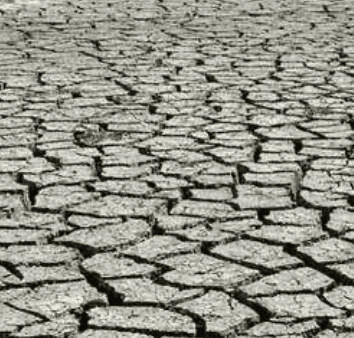
Oregon's current U.S. Drought Monitor data already show small areas classified as D4 exceptional drought as of early August 2026, driven by multi-year precipitation deficits, historically low snowpack from a warm winter, and ongoing moisture shortages across eastern and northwestern portions of the state. With 88% of Oregon in some drought level and over half in severe-to-extreme categories, the August–October seasonal outlook from NOAA's Climate Prediction Center favors continued hot, dry conditions that typically expand drought in the Northwest. Only 18 days remain until the August 31 resolution date, limiting opportunities for widespread relief. While an unseasonal heavy precipitation event could theoretically improve conditions enough to drop the state below D4 thresholds, such an outcome appears improbable given model consensus and climatological norms.
Ringkasan eksperimental yang dihasilkan AI dengan referensi data Polymarket. Ini bukan saran trading dan tidak berperan dalam bagaimana pasar ini diselesaikan. · DiperbaruiWill Oregon reach D4 (Exceptional Drought) by August 31, 2026?
Will Oregon reach D4 (Exceptional Drought) by August 31, 2026?
$17,966 Vol.
$17,966 Vol.
$17,966 Vol.
$17,966 Vol.
"Oregon" means the entire State of Oregon as recognized under U.S. law.
Eligibility is determined solely by the release's publication date, not the date its underlying map data is valid "as of" (USDM releases are typically published on Thursday but reflect conditions as of the preceding Tuesday), except as provided in the force majeure clause below.
Upon a qualifying release, the market will be held open for 7 calendar days from its publication date before finalizing, to allow for NDMC corrections. If those 7 days elapse before August 31, settlement finalizes at that point. If the qualifying release is published within 7 days of August 31, including on August 31 itself, the market will remain open past August 31 for the balance of that window, resolving at the earlier of (i) the 7 days elapsing or (ii) NDMC issuing a correction to that release. This holding period does not extend the publication-date cutoff, it only delays finalization of a release that already qualified.
If the NDMC publishes no weekly release at all before August 31, 2026, 11:59 PM ET, due to a data disruption, government shutdown, or other event, this market will accept the next official weekly release published after that date as the sole governing release, up to 14 calendar days following the scheduled expiration date, and will resolve "Yes" or "No" based on that release's D4 value under the same 1.00% threshold.
A correction will be considered only if issued before the market finalizes settlement under the holding period above. Once finalized, that determination is final and will not be revised, reopened, or reversed by any correction, revision, or retraction issued afterward. A correction issued within the holding period is fully applied to the D4 value used for resolution, and that finalization occurs after (not at the instant of) any such correction, so the corrected value governs.
Pasar Dibuka: Jul 24, 2026, 12:31 PM ET
Resolver
0x65070BE91..."Oregon" means the entire State of Oregon as recognized under U.S. law.
Eligibility is determined solely by the release's publication date, not the date its underlying map data is valid "as of" (USDM releases are typically published on Thursday but reflect conditions as of the preceding Tuesday), except as provided in the force majeure clause below.
Upon a qualifying release, the market will be held open for 7 calendar days from its publication date before finalizing, to allow for NDMC corrections. If those 7 days elapse before August 31, settlement finalizes at that point. If the qualifying release is published within 7 days of August 31, including on August 31 itself, the market will remain open past August 31 for the balance of that window, resolving at the earlier of (i) the 7 days elapsing or (ii) NDMC issuing a correction to that release. This holding period does not extend the publication-date cutoff, it only delays finalization of a release that already qualified.
If the NDMC publishes no weekly release at all before August 31, 2026, 11:59 PM ET, due to a data disruption, government shutdown, or other event, this market will accept the next official weekly release published after that date as the sole governing release, up to 14 calendar days following the scheduled expiration date, and will resolve "Yes" or "No" based on that release's D4 value under the same 1.00% threshold.
A correction will be considered only if issued before the market finalizes settlement under the holding period above. Once finalized, that determination is final and will not be revised, reopened, or reversed by any correction, revision, or retraction issued afterward. A correction issued within the holding period is fully applied to the D4 value used for resolution, and that finalization occurs after (not at the instant of) any such correction, so the corrected value governs.
Resolver
0x65070BE91...Oregon's current U.S. Drought Monitor data already show small areas classified as D4 exceptional drought as of early August 2026, driven by multi-year precipitation deficits, historically low snowpack from a warm winter, and ongoing moisture shortages across eastern and northwestern portions of the state. With 88% of Oregon in some drought level and over half in severe-to-extreme categories, the August–October seasonal outlook from NOAA's Climate Prediction Center favors continued hot, dry conditions that typically expand drought in the Northwest. Only 18 days remain until the August 31 resolution date, limiting opportunities for widespread relief. While an unseasonal heavy precipitation event could theoretically improve conditions enough to drop the state below D4 thresholds, such an outcome appears improbable given model consensus and climatological norms.
Ringkasan eksperimental yang dihasilkan AI dengan referensi data Polymarket. Ini bukan saran trading dan tidak berperan dalam bagaimana pasar ini diselesaikan. · Diperbarui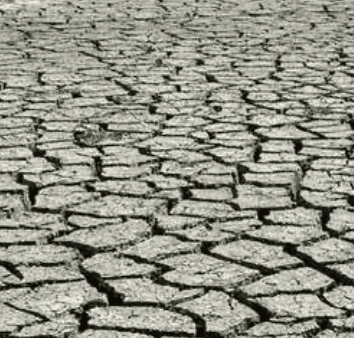
Hati-hati dengan link eksternal.
Hati-hati dengan link eksternal.
Pertanyaan yang Sering Diajukan