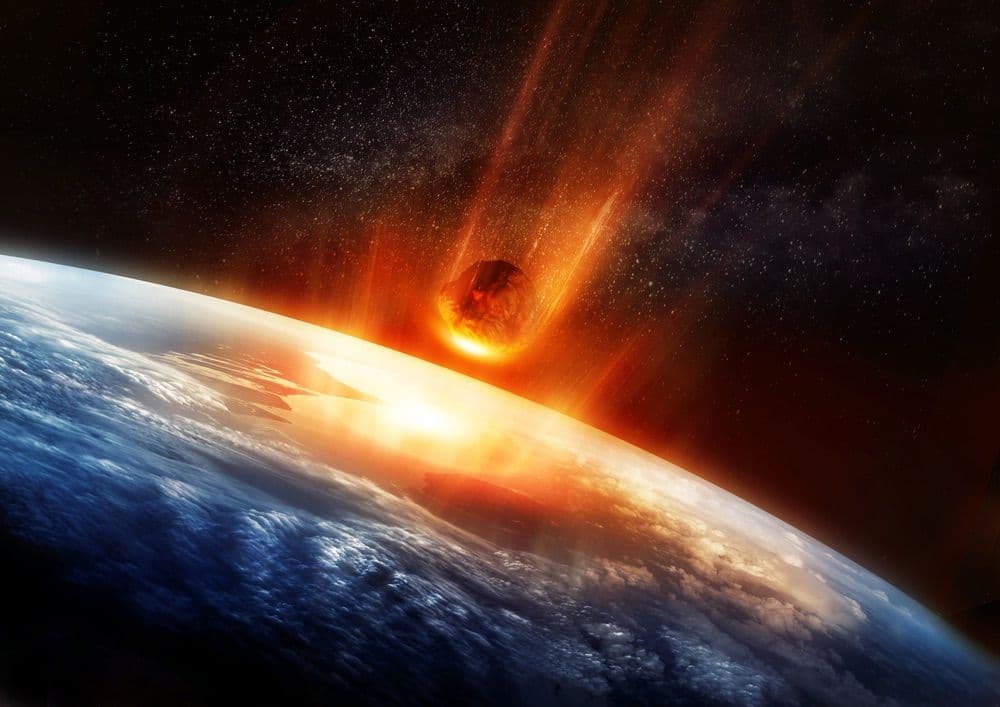
Extensive astronomical surveillance by NASA, ESA, and ground-based observatories has identified no near-Earth objects capable of delivering a 1-megaton impact in 2026, driving the 98.7% market-implied odds for “No.” Radar, optical telescopes, and infrared surveys continuously track potential threats, rendering undetected arrival of a 30–50-meter body highly improbable. Historical impact frequencies for this energy range—roughly once every several hundred to a few thousand years—reinforce trader consensus. The only realistic variables that could shift sentiment remain an extremely faint, long-period comet discovered at the last moment or a late orbital revision, both of which would still undergo rigorous verification before altering the outcome.
Riepilogo sperimentale generato dall'AI con riferimento ai dati di Polymarket. Questo non è un consiglio di trading e non ha alcun ruolo nella risoluzione di questo mercato. · AggiornatoMeteorite da 1 megatone nel 2026?
Meteorite da 1 megatone nel 2026?
Sì
$116,329 Vol.
$116,329 Vol.
Sì
$116,329 Vol.
$116,329 Vol.
The object must be classified as a natural meteoroid; events involving artificial objects or reentry vehicles do not qualify.
The primary resolution source will be the NASA JPL Fireball and Bolide Data repository: https://cneos.jpl.nasa.gov/fireballs/. The relevant field for determining impact energy is the “Impact Energy (kt)” column. If this dataset has not been updated to include all relevant dates by February 28, 2027, or if the NASA JPL Fireball and Bolide Data repository becomes permanently unavailable, this market may resolve based on a consensus of credible sources including the European Space Agency (ESA), the International Asteroid Warning Network (IAWN), the U.S. Department of Defense, or credible reporting of a scientific consensus, such as a NASA press release.
Mercato aperto: Jan 2, 2026, 2:24 PM ET
Resolver
0x65070BE91...The object must be classified as a natural meteoroid; events involving artificial objects or reentry vehicles do not qualify.
The primary resolution source will be the NASA JPL Fireball and Bolide Data repository: https://cneos.jpl.nasa.gov/fireballs/. The relevant field for determining impact energy is the “Impact Energy (kt)” column. If this dataset has not been updated to include all relevant dates by February 28, 2027, or if the NASA JPL Fireball and Bolide Data repository becomes permanently unavailable, this market may resolve based on a consensus of credible sources including the European Space Agency (ESA), the International Asteroid Warning Network (IAWN), the U.S. Department of Defense, or credible reporting of a scientific consensus, such as a NASA press release.
Resolver
0x65070BE91...Extensive astronomical surveillance by NASA, ESA, and ground-based observatories has identified no near-Earth objects capable of delivering a 1-megaton impact in 2026, driving the 98.7% market-implied odds for “No.” Radar, optical telescopes, and infrared surveys continuously track potential threats, rendering undetected arrival of a 30–50-meter body highly improbable. Historical impact frequencies for this energy range—roughly once every several hundred to a few thousand years—reinforce trader consensus. The only realistic variables that could shift sentiment remain an extremely faint, long-period comet discovered at the last moment or a late orbital revision, both of which would still undergo rigorous verification before altering the outcome.
Riepilogo sperimentale generato dall'AI con riferimento ai dati di Polymarket. Questo non è un consiglio di trading e non ha alcun ruolo nella risoluzione di questo mercato. · Aggiornato
Fai attenzione ai link esterni.
Fai attenzione ai link esterni.
Domande frequenti