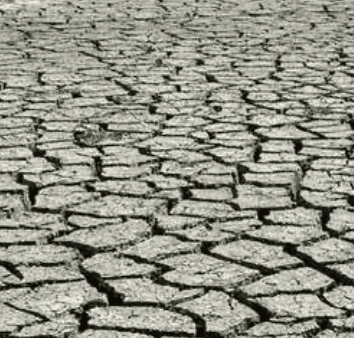
**Recent U.S. Drought Monitor data through late August 2026 show D4 (exceptional drought) confined to a limited set of states, primarily Colorado, Oklahoma, Texas, Idaho, Oregon, Arkansas, and parts of Nebraska, with D4 coverage under 2% nationally.** Trader sentiment reflects uncertainty over whether short-term precipitation deficits and heat in the southern and northern Plains will expand these areas or if scattered rains and the strengthening El Niño will trigger improvements before the early September map. NOAA outlooks favor monsoon-enhanced moisture and wetter patterns across the Southwest and southern tier, supporting potential D4 reductions there, while drier signals persist in the Northwest and northern Plains. The tight clustering around 5–9 states versus 10+ captures the narrow window for measurable shifts in state-level D4 extent driven by model consensus on El Niño teleconnections and weekly rainfall variability.
Riepilogo sperimentale generato dall'AI con riferimento ai dati di Polymarket. Questo non è un consiglio di trading e non ha alcun ruolo nella risoluzione di questo mercato. · AggiornatoQuanti stati saranno in D4 (siccità eccezionale) — settimana del 1° settembre 2026?
Quanti stati saranno in D4 (siccità eccezionale) — settimana del 1° settembre 2026?
10 o più stati 44%
5-6 stati 38%
7-9 stati 38%
0 stati 26%
0 stati
26%
1-2 stati
26%
3-4 stati
26%
5-6 stati
38%
7-9 stati
38%
10 o più stati
44%
10 o più stati 44%
5-6 stati 38%
7-9 stati 38%
0 stati 26%
0 stati
26%
1-2 stati
26%
3-4 stati
26%
5-6 stati
38%
7-9 stati
38%
10 o più stati
44%
Brackets: 0 / 1-2 / 3-4 / 5-6 / 7-9 / 10+. Exactly one bracket resolves "Yes".
The count ranges over all 48 coterminous states — the 48 states excluding Alaska and Hawaii. The District of Columbia and U.S. territories are not considered.
Each USDM release covers the seven-day period ending Tuesday at 8:00 AM ET and is published the following Thursday.
Resolution is based on the first published US Drought Monitor release for the listed week. Subsequent revisions will not be considered; the first published release is final.
The resolution source for this market is the US Drought Monitor at droughtmonitor.unl.edu.
Mercato aperto: Aug 27, 2026, 9:00 AM ET
Fonte di risoluzione
https://droughtmonitor.unl.edu/DmData/DataTables.aspxRisolutore
0x69c47De9D...Brackets: 0 / 1-2 / 3-4 / 5-6 / 7-9 / 10+. Exactly one bracket resolves "Yes".
The count ranges over all 48 coterminous states — the 48 states excluding Alaska and Hawaii. The District of Columbia and U.S. territories are not considered.
Each USDM release covers the seven-day period ending Tuesday at 8:00 AM ET and is published the following Thursday.
Resolution is based on the first published US Drought Monitor release for the listed week. Subsequent revisions will not be considered; the first published release is final.
The resolution source for this market is the US Drought Monitor at droughtmonitor.unl.edu.
Fonte di risoluzione
https://droughtmonitor.unl.edu/DmData/DataTables.aspxRisolutore
0x69c47De9D...**Recent U.S. Drought Monitor data through late August 2026 show D4 (exceptional drought) confined to a limited set of states, primarily Colorado, Oklahoma, Texas, Idaho, Oregon, Arkansas, and parts of Nebraska, with D4 coverage under 2% nationally.** Trader sentiment reflects uncertainty over whether short-term precipitation deficits and heat in the southern and northern Plains will expand these areas or if scattered rains and the strengthening El Niño will trigger improvements before the early September map. NOAA outlooks favor monsoon-enhanced moisture and wetter patterns across the Southwest and southern tier, supporting potential D4 reductions there, while drier signals persist in the Northwest and northern Plains. The tight clustering around 5–9 states versus 10+ captures the narrow window for measurable shifts in state-level D4 extent driven by model consensus on El Niño teleconnections and weekly rainfall variability.
Riepilogo sperimentale generato dall'AI con riferimento ai dati di Polymarket. Questo non è un consiglio di trading e non ha alcun ruolo nella risoluzione di questo mercato. · Aggiornato
Fai attenzione ai link esterni.
Fai attenzione ai link esterni.
Domande frequenti