
Heightened regional tensions from the July 2026 breakdown of the US-Iran ceasefire and renewed strikes around the Strait of Hormuz have kept Israeli airspace operations under close scrutiny, with the Tel Aviv FIR experiencing multiple short-notice closures and reopenings earlier in the year tied to Iranian missile and drone activity. As of mid-August 2026 the airspace remains open for commercial flights following these episodes, supported by defensive measures and partial airline continuity, though US Embassy alerts continue to flag risks of sudden disruptions. A brief August 20 labor action at Ben Gurion halted operations temporarily but stemmed from staffing issues rather than security threats. Trader pricing reflects these patterns, assigning low implied probability to near-term broad closures absent major new escalations, while monitoring diplomatic channels and any fresh military developments that could prompt Israeli authorities to restrict the FIR again.
Resumo experimental gerado por IA com dados do Polymarket. Isto não é aconselhamento de trading e não tem qualquer papel na resolução deste mercado. · Atualizado$27,340,746 Vol.
31 de agosto
3%
30 de setembro
9%
$27,340,746 Vol.
31 de agosto
3%
30 de setembro
9%
A “major closure” is defined as a broad closure, cancellation, or complete suspension of commercial aviation across the entirety of Israeli civilian airspace or a region encompassing a majority of Israeli civilian airspace, including commercial flights transiting, arriving in, and departing from that airspace. A qualifying closure must apply generally to all flights across Israel or a qualifying subset of Israeli airspace. Limited cancellations, delays, temporary ground stops or isolated regional closures will not qualify. Limited exceptions to a broad closure, however, will not disqualify such a closure from counting (e.g. exceptions for certain pre-approved flights may be permitted).
Warnings, No-Fly-Zones, flight suspensions, or other flight restrictions imposed by airlines or countries other than Israel will not be sufficient for a “Yes” resolution.
Airspace closures which occur solely due to weather conditions will not qualify.
The primary resolution source for this market will be official information from Israeli aviation authorities; however, a consensus of credible reporting may also be used.
Mercado Aberto: Jun 29, 2026, 10:46 AM ET
Resolver
0x65070BE91...A “major closure” is defined as a broad closure, cancellation, or complete suspension of commercial aviation across the entirety of Israeli civilian airspace or a region encompassing a majority of Israeli civilian airspace, including commercial flights transiting, arriving in, and departing from that airspace. A qualifying closure must apply generally to all flights across Israel or a qualifying subset of Israeli airspace. Limited cancellations, delays, temporary ground stops or isolated regional closures will not qualify. Limited exceptions to a broad closure, however, will not disqualify such a closure from counting (e.g. exceptions for certain pre-approved flights may be permitted).
Warnings, No-Fly-Zones, flight suspensions, or other flight restrictions imposed by airlines or countries other than Israel will not be sufficient for a “Yes” resolution.
Airspace closures which occur solely due to weather conditions will not qualify.
The primary resolution source for this market will be official information from Israeli aviation authorities; however, a consensus of credible reporting may also be used.
Resolver
0x65070BE91...Heightened regional tensions from the July 2026 breakdown of the US-Iran ceasefire and renewed strikes around the Strait of Hormuz have kept Israeli airspace operations under close scrutiny, with the Tel Aviv FIR experiencing multiple short-notice closures and reopenings earlier in the year tied to Iranian missile and drone activity. As of mid-August 2026 the airspace remains open for commercial flights following these episodes, supported by defensive measures and partial airline continuity, though US Embassy alerts continue to flag risks of sudden disruptions. A brief August 20 labor action at Ben Gurion halted operations temporarily but stemmed from staffing issues rather than security threats. Trader pricing reflects these patterns, assigning low implied probability to near-term broad closures absent major new escalations, while monitoring diplomatic channels and any fresh military developments that could prompt Israeli authorities to restrict the FIR again.
Resumo experimental gerado por IA com dados do Polymarket. Isto não é aconselhamento de trading e não tem qualquer papel na resolução deste mercado. · Atualizado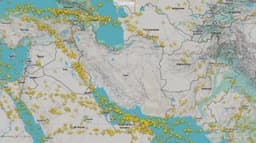
Cuidado com os links externos.
Cuidado com os links externos.
Frequently Asked Questions