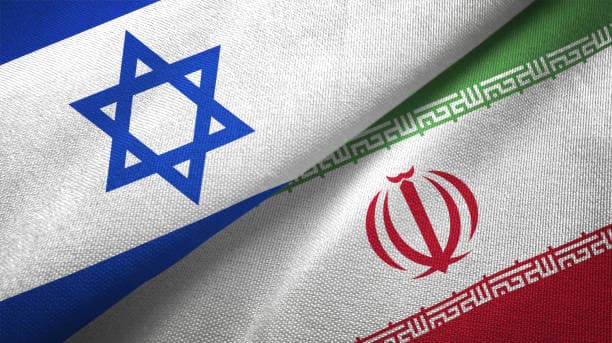
Recent US-Iran negotiations produced a memorandum of understanding on June 14, 2026, intended to end more than 100 days of hostilities that began with joint US-Israeli strikes on Iranian targets in February. The interim pact includes an immediate halt to military operations across fronts, including Lebanon, the lifting of the US naval blockade, reopening of the Strait of Hormuz, and a 60-day window for follow-on talks on Iran’s nuclear program, with a formal signing slated for June 19. Israel participated in the earlier campaign but has signaled skepticism toward the US-brokered terms and maintains independent strike options, while Iranian statements emphasize permanence only if nuclear and sanctions issues are resolved. These developments frame trader views on any near-term bilateral Israel-Iran peace accord as constrained by the indirect, fragile nature of the current ceasefire and unresolved core disputes.
สรุปจาก AI ทดลองที่อ้างอิงข้อมูลจาก Polymarket ไม่ใช่คำแนะนำในการเทรดและไม่มีผลต่อการตัดสินตลาดนี้ · อัปเดตแล้วIsrael x Iran permanent peace deal by...?
Israel x Iran permanent peace deal by...?
$11,922,701 ปริมาณ
June 30
<1%
July 31
4%
$11,922,701 ปริมาณ
June 30
<1%
July 31
4%
A permanent peace deal refers to any agreement which explicitly indicates that military hostilities between Israel and Iran have ended or will permanently cease, or uses equivalent language clearly signaling a lasting end to military hostilities between Israel and Iran. Agreements that are explicitly temporary or which do not include a definitive agreement to end military hostilities between Israel and Iran on a lasting basis (e.g. a temporary extension of a previously announced ceasefire agreement), will not qualify.
A qualifying agreement will be considered to have been established if either of the following conditions are met:
- Israel and Iran each sign or formally adopt a written agreement (e.g. a treaty or multi-point agreement) which meets the above criteria.
- Both Israel and Iran provide clear public confirmation that a qualifying agreement has been definitively established. Negotiations, statements of progress, or other statements which do not constitute a definitive announcement that a qualifying agreement has been reached will not count.
The inclusion of Israel and Iran in a qualifying peace deal between multiple parties will qualify.
The primary resolution source for this market will be official information from the governments of Israel and Iran; however, a consensus of credible reporting may also be used.
ตลาดเปิดเมื่อ: Apr 16, 2026, 7:49 PM ET
Resolver
0x65070BE91...A permanent peace deal refers to any agreement which explicitly indicates that military hostilities between Israel and Iran have ended or will permanently cease, or uses equivalent language clearly signaling a lasting end to military hostilities between Israel and Iran. Agreements that are explicitly temporary or which do not include a definitive agreement to end military hostilities between Israel and Iran on a lasting basis (e.g. a temporary extension of a previously announced ceasefire agreement), will not qualify.
A qualifying agreement will be considered to have been established if either of the following conditions are met:
- Israel and Iran each sign or formally adopt a written agreement (e.g. a treaty or multi-point agreement) which meets the above criteria.
- Both Israel and Iran provide clear public confirmation that a qualifying agreement has been definitively established. Negotiations, statements of progress, or other statements which do not constitute a definitive announcement that a qualifying agreement has been reached will not count.
The inclusion of Israel and Iran in a qualifying peace deal between multiple parties will qualify.
The primary resolution source for this market will be official information from the governments of Israel and Iran; however, a consensus of credible reporting may also be used.
Resolver
0x65070BE91...Recent US-Iran negotiations produced a memorandum of understanding on June 14, 2026, intended to end more than 100 days of hostilities that began with joint US-Israeli strikes on Iranian targets in February. The interim pact includes an immediate halt to military operations across fronts, including Lebanon, the lifting of the US naval blockade, reopening of the Strait of Hormuz, and a 60-day window for follow-on talks on Iran’s nuclear program, with a formal signing slated for June 19. Israel participated in the earlier campaign but has signaled skepticism toward the US-brokered terms and maintains independent strike options, while Iranian statements emphasize permanence only if nuclear and sanctions issues are resolved. These developments frame trader views on any near-term bilateral Israel-Iran peace accord as constrained by the indirect, fragile nature of the current ceasefire and unresolved core disputes.
สรุปจาก AI ทดลองที่อ้างอิงข้อมูลจาก Polymarket ไม่ใช่คำแนะนำในการเทรดและไม่มีผลต่อการตัดสินตลาดนี้ · อัปเดตแล้ว
ระวังลิงก์ภายนอก
ระวังลิงก์ภายนอก
คำถามที่พบบ่อย