
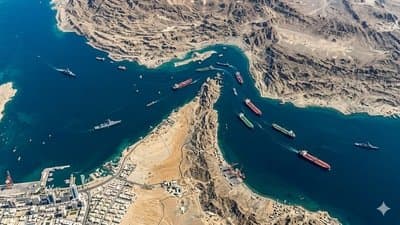
US policy on Strait of Hormuz transit fees has shifted amid post-2026 ceasefire negotiations with Iran and Oman. After opposing any monetization under international law principles that bar tolls for transit passage, the Trump administration briefly proposed a 20% cargo fee in July before pivoting to Gulf investment deals instead. Iran and Oman continue advancing service-fee frameworks for navigational and environmental costs following the expiration of the 60-day toll-free period in the Islamabad Memorandum. Trader assessments reflect ongoing diplomatic talks, US objections to Iran-controlled charges, and risks of renewed blockades or legal challenges at the IMO. Key near-term catalysts include any new bilateral agreements or administration statements clarifying Washington’s stance on direct US fees versus third-party arrangements.
สรุปจาก AI ทดลองที่อ้างอิงข้อมูลจาก Polymarket ไม่ใช่คำแนะนำในการเทรดและไม่มีผลต่อการตัดสินตลาดนี้ · อัปเดตแล้วUS charges Hormuz fees by...?
US charges Hormuz fees by...?
$972,754 ปริมาณ
December 31
4%
$972,754 ปริมาณ
December 31
4%
Any payment amount or rate will count. Payments may be monetary or in-kind (e.g., a share of cargo or oil) and may be collected directly by the US government or by an agent, contractor, or intermediary collecting on its behalf, provided the payment is made under a US-imposed fee or a compensation arrangement.
The announcement, signing, or establishment of a fee program, executive order, regulation, or collection mechanism will not by itself qualify; at least one payment must actually be received by the listed date, 11:59 PM ET.
Payments collected by Iran or any other party acting on its own behalf will not count. Payments under preexisting obligations, including US customs duties, tariffs on goods imported into the United States, or standard port charges, will not count unless newly imposed as a condition of Strait of Hormuz transit or protection.
The resolution sources will be official announcements from the government of the United States and a consensus of credible reporting.
ตลาดเปิดเมื่อ: Jul 13, 2026, 12:00 PM ET
ผู้ตัดสินผล
0x65070BE91...Any payment amount or rate will count. Payments may be monetary or in-kind (e.g., a share of cargo or oil) and may be collected directly by the US government or by an agent, contractor, or intermediary collecting on its behalf, provided the payment is made under a US-imposed fee or a compensation arrangement.
The announcement, signing, or establishment of a fee program, executive order, regulation, or collection mechanism will not by itself qualify; at least one payment must actually be received by the listed date, 11:59 PM ET.
Payments collected by Iran or any other party acting on its own behalf will not count. Payments under preexisting obligations, including US customs duties, tariffs on goods imported into the United States, or standard port charges, will not count unless newly imposed as a condition of Strait of Hormuz transit or protection.
The resolution sources will be official announcements from the government of the United States and a consensus of credible reporting.
ผู้ตัดสินผล
0x65070BE91...US policy on Strait of Hormuz transit fees has shifted amid post-2026 ceasefire negotiations with Iran and Oman. After opposing any monetization under international law principles that bar tolls for transit passage, the Trump administration briefly proposed a 20% cargo fee in July before pivoting to Gulf investment deals instead. Iran and Oman continue advancing service-fee frameworks for navigational and environmental costs following the expiration of the 60-day toll-free period in the Islamabad Memorandum. Trader assessments reflect ongoing diplomatic talks, US objections to Iran-controlled charges, and risks of renewed blockades or legal challenges at the IMO. Key near-term catalysts include any new bilateral agreements or administration statements clarifying Washington’s stance on direct US fees versus third-party arrangements.
สรุปจาก AI ทดลองที่อ้างอิงข้อมูลจาก Polymarket ไม่ใช่คำแนะนำในการเทรดและไม่มีผลต่อการตัดสินตลาดนี้ · อัปเดตแล้ว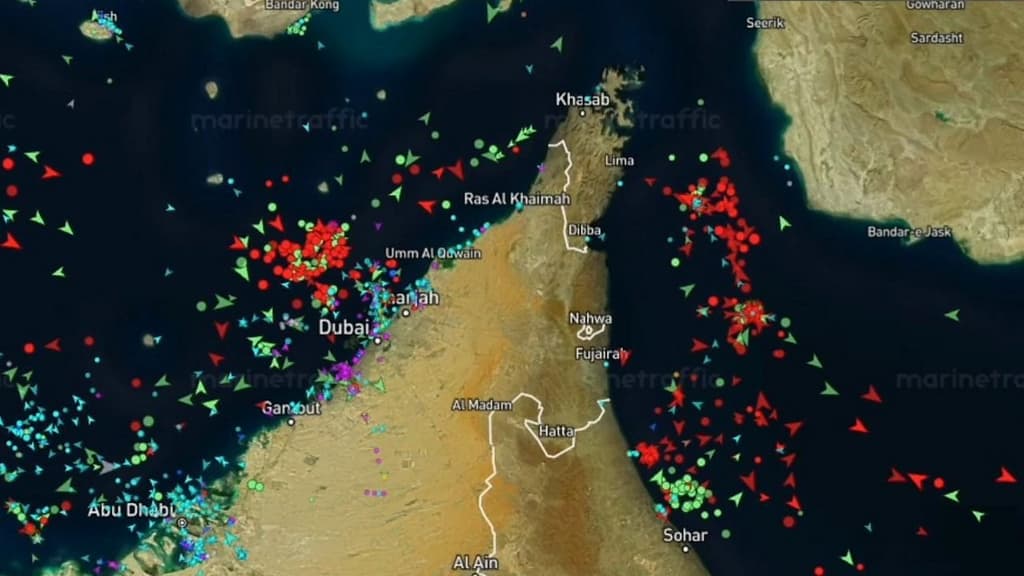

ระวังลิงก์ภายนอก
ระวังลิงก์ภายนอก
คำถามที่พบบ่อย