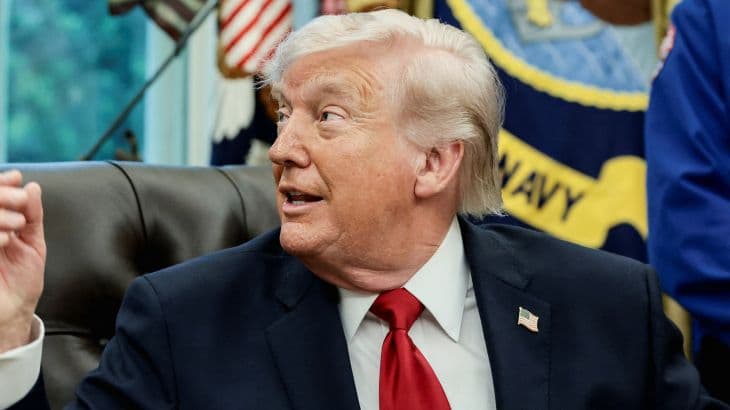
Trump’s pattern of public criticism during his second term has centered on journalists, Democratic officials, and policy critics amid setbacks on Supreme Court rulings, Iran-related diplomacy, and midterm positioning. In the weeks leading to August 31, 2026, he repeatedly targeted reporters with phrases such as “stupid question” or “fake news,” including specific exchanges with Kaitlan Collins and others, while calling New York Attorney General Letitia James “a real slob” during an August 14 speech on crime. These exchanges align with established behavior during periods of institutional pushback and reflect trader focus on recurring media friction and partisan opponents rather than new alliances or foreign leaders. No major scheduled events after late August altered the established cadence before the cutoff.
สรุปจาก AI ทดลองที่อ้างอิงข้อมูลจาก Polymarket ไม่ใช่คำแนะนำในการเทรดและไม่มีผลต่อการตัดสินตลาดนี้ · อัปเดตแล้ว$70,877 ปริมาณ
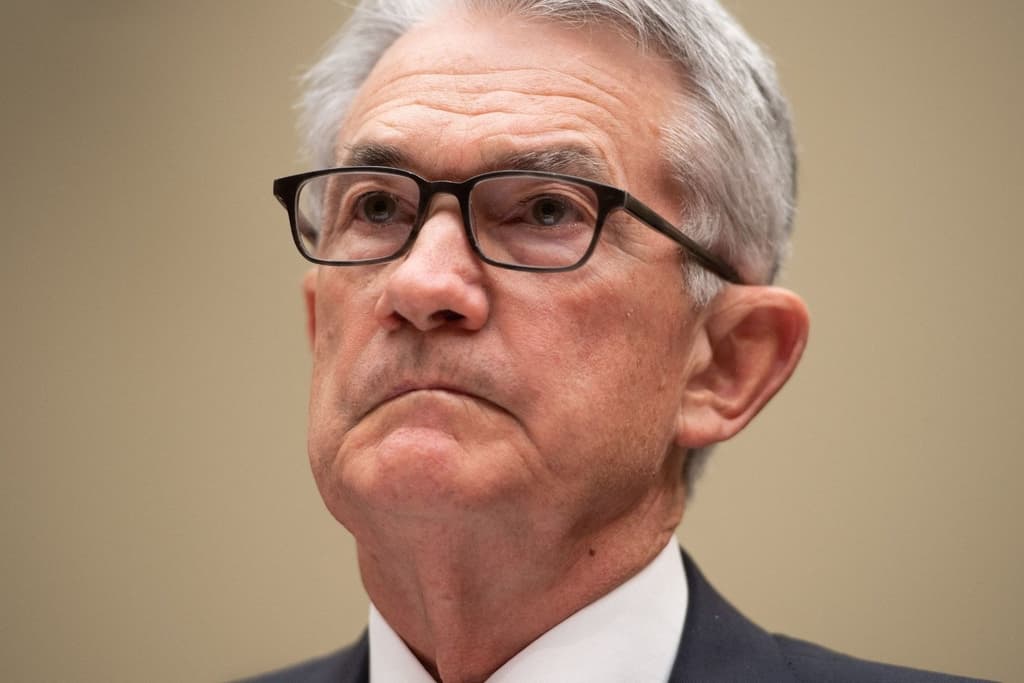
Jerome Powell
8%

Zohran Mamdani
47%

Kaitlan Collins
32%
$70,877 ปริมาณ
Jerome Powell
8%
Zohran Mamdani
47%
Kaitlan Collins
32%
A public statement is any written, verbal, or recorded statement which is either made in a public setting, published by the speaker, or on the record to media, and the direct language of which is made publicly available. Statements made in private that are subsequently leaked will not qualify, even if credibly reported. Narrations and paraphrasings do not qualify.
Images and videos posted on verified social media accounts will only qualify if they contain insulting language clearly directed at the individual, whether within the content itself or in an accompanying caption. A quote post will only qualify if added language independently qualifies as an insult; a repost of another account's post will not qualify.
A public statement qualifies as an insult if it mocks, degrades, or disparages the individual either personally or professionally. This includes calling the individual a clearly insulting trait (e.g., weak, stupid, disloyal, a failure), using an insulting nickname (e.g., Crooked Hillary), using other clearly derogatory language, or using the negative form of a positive trait in a clearly derogatory manner (e.g., “He isn’t smart”, “He has no judgment”). Disparaging the individual in their professional capacity will qualify (e.g., "He is a disaster candidate," "He is terrible at his job"); however, negative comments directed at the individual's specific actions, policies, or decisions will not qualify (e.g., "He has bad policies," "He is wrong about healthcare").
A statement made in direct reference to the individual will qualify even if they are not named, so long as it is reasonably clear from context that they are the subject.
The resolution sources will be public statements made by Donald Trump and a consensus of credible reporting.
ตลาดเปิดเมื่อ: Jul 31, 2026, 10:33 AM ET
ผู้ตัดสินผล
0x65070BE91...A public statement is any written, verbal, or recorded statement which is either made in a public setting, published by the speaker, or on the record to media, and the direct language of which is made publicly available. Statements made in private that are subsequently leaked will not qualify, even if credibly reported. Narrations and paraphrasings do not qualify.
Images and videos posted on verified social media accounts will only qualify if they contain insulting language clearly directed at the individual, whether within the content itself or in an accompanying caption. A quote post will only qualify if added language independently qualifies as an insult; a repost of another account's post will not qualify.
A public statement qualifies as an insult if it mocks, degrades, or disparages the individual either personally or professionally. This includes calling the individual a clearly insulting trait (e.g., weak, stupid, disloyal, a failure), using an insulting nickname (e.g., Crooked Hillary), using other clearly derogatory language, or using the negative form of a positive trait in a clearly derogatory manner (e.g., “He isn’t smart”, “He has no judgment”). Disparaging the individual in their professional capacity will qualify (e.g., "He is a disaster candidate," "He is terrible at his job"); however, negative comments directed at the individual's specific actions, policies, or decisions will not qualify (e.g., "He has bad policies," "He is wrong about healthcare").
A statement made in direct reference to the individual will qualify even if they are not named, so long as it is reasonably clear from context that they are the subject.
The resolution sources will be public statements made by Donald Trump and a consensus of credible reporting.
ผู้ตัดสินผล
0x65070BE91...Trump’s pattern of public criticism during his second term has centered on journalists, Democratic officials, and policy critics amid setbacks on Supreme Court rulings, Iran-related diplomacy, and midterm positioning. In the weeks leading to August 31, 2026, he repeatedly targeted reporters with phrases such as “stupid question” or “fake news,” including specific exchanges with Kaitlan Collins and others, while calling New York Attorney General Letitia James “a real slob” during an August 14 speech on crime. These exchanges align with established behavior during periods of institutional pushback and reflect trader focus on recurring media friction and partisan opponents rather than new alliances or foreign leaders. No major scheduled events after late August altered the established cadence before the cutoff.
สรุปจาก AI ทดลองที่อ้างอิงข้อมูลจาก Polymarket ไม่ใช่คำแนะนำในการเทรดและไม่มีผลต่อการตัดสินตลาดนี้ · อัปเดตแล้ว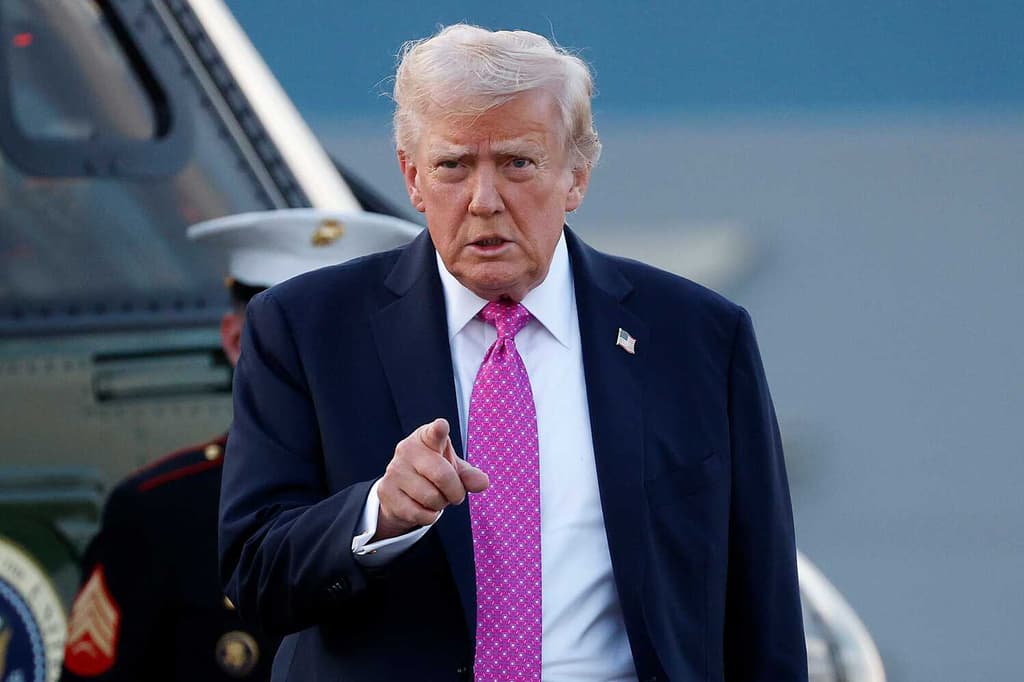


ระวังลิงก์ภายนอก
ระวังลิงก์ภายนอก
คำถามที่พบบ่อย