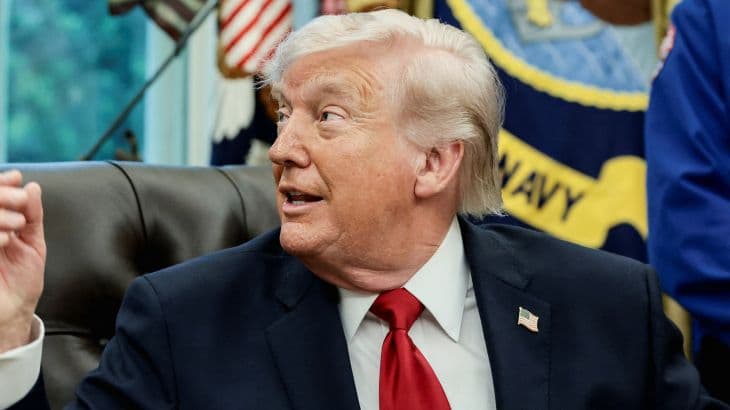
Trump’s pattern of public criticism toward media outlets, journalists, and political figures has intensified amid midterm pressures, Supreme Court setbacks on voting rules, and foreign policy friction including Iran-related developments. In mid-September 2026 he singled out the New York Times and Washington Post as “fake news” and “disgusting” during an Oval Office exchange, while repeatedly faulting reporters’ questions and appearances in prior weeks. He has also layered personal remarks about appearance and style onto his endorsement of Texas candidate Ken Paxton. With the resolution window closing September 30 and scheduled appearances including a UN address, traders weigh the likelihood that ongoing tensions with Democrats, state officials, or press figures will produce additional named targets before the deadline.
สรุปจาก AI ทดลองที่อ้างอิงข้อมูลจาก Polymarket ไม่ใช่คำแนะนำในการเทรดและไม่มีผลต่อการตัดสินตลาดนี้ · อัปเดตแล้ว$133,910 ปริมาณ

Mark Carney
85%

Jon Ossoff
76%

Tucker Carlson
74%

Kathy Hochul
42%

Letitia James
39%

Zohran Mamdani
30%

Andy Burnham
22%

Friedrich Merz
22%
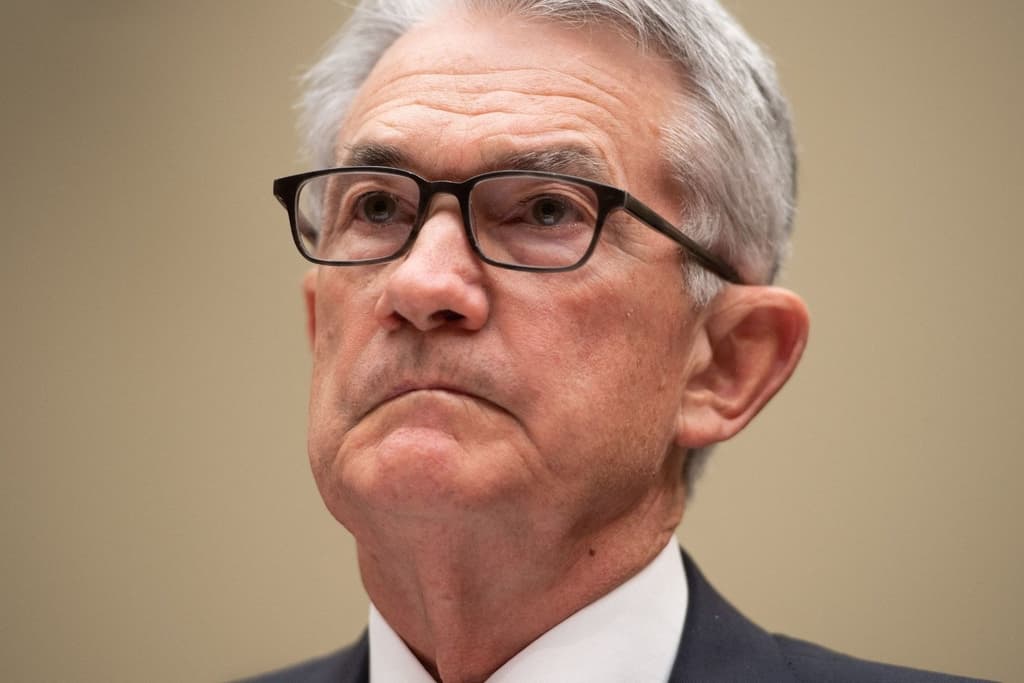
Jerome Powell
21%

Emmanuel Macron
19%
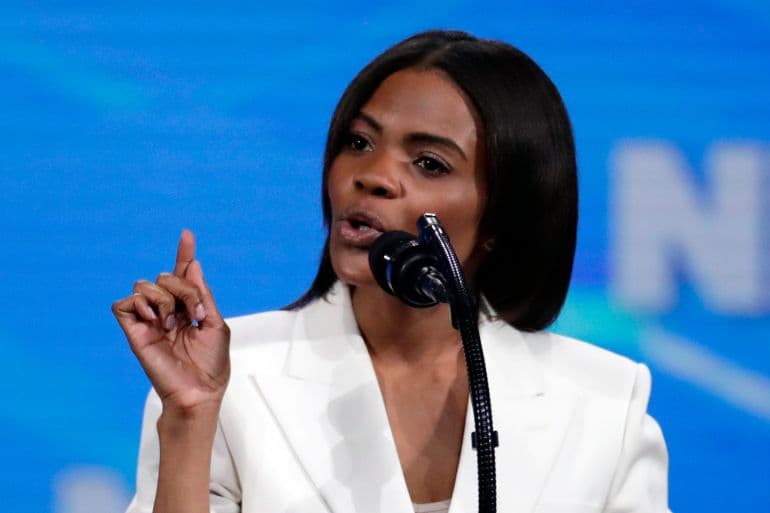
Candace Owens
30%

Benjamin Netanyahu
10%

Norah O'Donnell
7%

Stephen Colbert
27%

Mohammed bin Salman
6%

Pope Leo XIV
6%
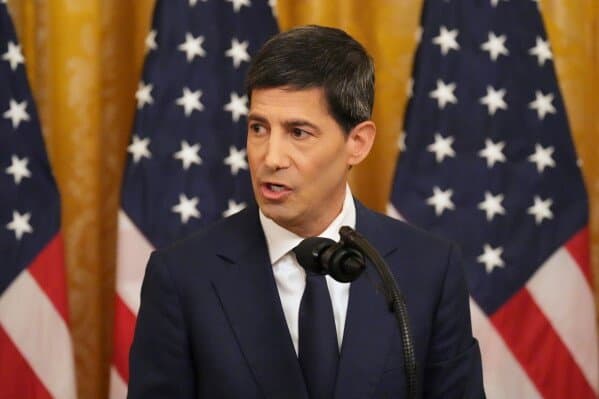
Kevin Warsh
6%

J.D. Vance
4%

Xi Jinping
4%

Vladimir Putin
3%

Karoline Leavitt
2%

Alex Jones
15%

Pam Bondi
8%

Megyn Kelly
41%

Marjorie Taylor Greene
56%
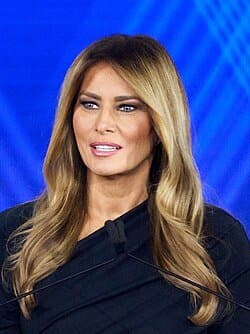
Melania Trump
33%

Elon Musk
41%

Jimmy Kimmel
62%

Ilhan Omar
57%

Alexandria Ocasio-Cortez
64%

Hillary Clinton
55%

Elizabeth Warren
51%

Adam Schiff
50%
$133,910 ปริมาณ
Mark Carney
85%
Jon Ossoff
76%
Tucker Carlson
74%
Kathy Hochul
42%
Letitia James
39%
Zohran Mamdani
30%
Andy Burnham
22%
Friedrich Merz
22%
Jerome Powell
21%
Emmanuel Macron
19%
Candace Owens
30%
Benjamin Netanyahu
10%
Norah O'Donnell
7%
Stephen Colbert
27%
Mohammed bin Salman
6%
Pope Leo XIV
6%
Kevin Warsh
6%
J.D. Vance
4%
Xi Jinping
4%
Vladimir Putin
3%
Karoline Leavitt
2%
Alex Jones
15%
Pam Bondi
8%
Megyn Kelly
41%
Marjorie Taylor Greene
56%
Melania Trump
33%
Elon Musk
41%
Jimmy Kimmel
62%
Ilhan Omar
57%
Alexandria Ocasio-Cortez
64%
Hillary Clinton
55%
Elizabeth Warren
51%
Adam Schiff
50%
A public statement is any written, verbal, or recorded statement which is either made in a public setting, published by the speaker, or on the record to media, and the direct language of which is made publicly available within the specified timeframe. Pre-recorded public statements will count for the date (ET) that they are made publicly available. Statements made in private that are subsequently leaked will not qualify, even if credibly reported. Narrations and paraphrasings do not qualify.
Images and videos posted on verified social media accounts will only qualify if they contain insulting language clearly directed at the individual, whether within the content itself or in an accompanying caption. Language within the content of a video will only qualify if Donald Trump is clearly portrayed as saying it. Insulting language within the content of a video said by anyone other than Donald Trump or a portrayal thereof will not qualify.
A quote post will qualify if added language independently qualifies as an insult, or endorses insulting language directed at the individual within the quoted post; a repost of another account's post will not qualify.
A public statement qualifies as an insult if it mocks, degrades, or disparages the individual either personally or professionally. This includes calling the individual a clearly insulting trait (e.g., weak, stupid, disloyal, a failure), using an insulting nickname (e.g., Crooked Hillary), using other clearly derogatory language, or using the negative form of a positive trait in a clearly derogatory manner (e.g., “He isn’t smart”, “He has no judgment”). Disparaging the individual in their professional capacity will qualify (e.g., "He is a disaster candidate," "He is terrible at his job"); however, negative comments directed at the individual's specific actions, policies, or decisions will not qualify (e.g., "He has bad policies," "He is wrong about healthcare").
A statement made in direct reference to the individual will qualify even if they are not named, so long as it is reasonably clear from context that they are the subject.
The resolution sources will be public statements made by Donald Trump and a consensus of credible reporting.
ตลาดเปิดเมื่อ: Sep 2, 2026, 5:15 PM ET
ผู้ตัดสินผล
0x65070BE91...A public statement is any written, verbal, or recorded statement which is either made in a public setting, published by the speaker, or on the record to media, and the direct language of which is made publicly available within the specified timeframe. Pre-recorded public statements will count for the date (ET) that they are made publicly available. Statements made in private that are subsequently leaked will not qualify, even if credibly reported. Narrations and paraphrasings do not qualify.
Images and videos posted on verified social media accounts will only qualify if they contain insulting language clearly directed at the individual, whether within the content itself or in an accompanying caption. Language within the content of a video will only qualify if Donald Trump is clearly portrayed as saying it. Insulting language within the content of a video said by anyone other than Donald Trump or a portrayal thereof will not qualify.
A quote post will qualify if added language independently qualifies as an insult, or endorses insulting language directed at the individual within the quoted post; a repost of another account's post will not qualify.
A public statement qualifies as an insult if it mocks, degrades, or disparages the individual either personally or professionally. This includes calling the individual a clearly insulting trait (e.g., weak, stupid, disloyal, a failure), using an insulting nickname (e.g., Crooked Hillary), using other clearly derogatory language, or using the negative form of a positive trait in a clearly derogatory manner (e.g., “He isn’t smart”, “He has no judgment”). Disparaging the individual in their professional capacity will qualify (e.g., "He is a disaster candidate," "He is terrible at his job"); however, negative comments directed at the individual's specific actions, policies, or decisions will not qualify (e.g., "He has bad policies," "He is wrong about healthcare").
A statement made in direct reference to the individual will qualify even if they are not named, so long as it is reasonably clear from context that they are the subject.
The resolution sources will be public statements made by Donald Trump and a consensus of credible reporting.
ผู้ตัดสินผล
0x65070BE91...Trump’s pattern of public criticism toward media outlets, journalists, and political figures has intensified amid midterm pressures, Supreme Court setbacks on voting rules, and foreign policy friction including Iran-related developments. In mid-September 2026 he singled out the New York Times and Washington Post as “fake news” and “disgusting” during an Oval Office exchange, while repeatedly faulting reporters’ questions and appearances in prior weeks. He has also layered personal remarks about appearance and style onto his endorsement of Texas candidate Ken Paxton. With the resolution window closing September 30 and scheduled appearances including a UN address, traders weigh the likelihood that ongoing tensions with Democrats, state officials, or press figures will produce additional named targets before the deadline.
สรุปจาก AI ทดลองที่อ้างอิงข้อมูลจาก Polymarket ไม่ใช่คำแนะนำในการเทรดและไม่มีผลต่อการตัดสินตลาดนี้ · อัปเดตแล้ว

ระวังลิงก์ภายนอก
ระวังลิงก์ภายนอก
คำถามที่พบบ่อย