
The Federal Open Monetary Committee’s unanimous September 16, 2026, decision to raise the federal funds target range 25 basis points to 3.75-4.00 percent—the first hike since 2023—reflects entrenched inflation pressures, with headline PCE near 3.7 percent and core measures around 3.2-3.4 percent amid elevated energy prices tied to geopolitical tensions. Solid GDP growth near 2.3-2.4 percent, unemployment holding at 4.1 percent, resilient consumer spending, and robust productivity have given policymakers room to prioritize price stability over easing, consistent with the median dot-plot projection of roughly 4.1 percent through year-end 2026 and into 2027. Trader sentiment on Polymarket markets for rate paths before 2027 incorporates these data releases and the strong labor market backdrop, pricing limited scope for cuts absent sharper disinflation or labor-market deterioration. Key near-term catalysts include the October 27-28 and December 8-9 FOMC meetings plus upcoming CPI and PCE prints that could shift expectations for additional tightening or a prolonged hold.
Eksperimental na AI-generated summary na nire-reference ang Polymarket data. Hindi ito trading advice at wala itong papel sa kung paano nire-resolve ang market na ito. · Na-updateFederal Reserve signals more rate hikes possible after September increase
Following the 25 basis point hike, Fed officials indicated the possibility of additional increases later in 2026 to combat elevated inflation, with projections showing rates could reach 4.1%-4.4%.
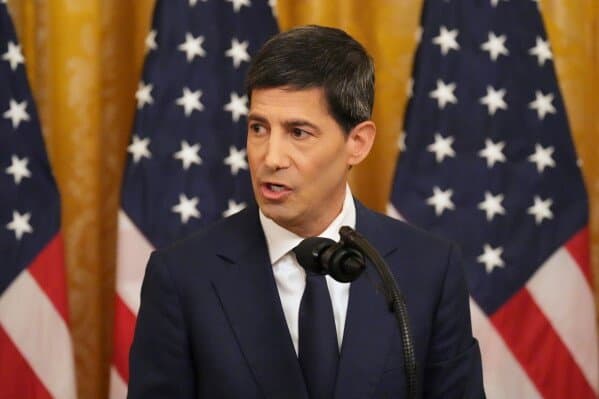
Federal Reserve Chair Kevin Warsh leads unanimous rate hike to 3.75%-4%
↑ 4.25% surges to 77%50%
Kevin Warsh, confirmed as Fed Chair in May 2026, led the Federal Reserve's unanimous decision to raise rates to 3.75%-4.00% on September 16, 2026, emphasizing the importance of price stability and signaling a shift in monetary policy after years of steady rates.
Mag-ingat sa mga external link.
Mag-ingat sa mga external link.
Mga Madalas na Tanong