
Heightened regional tensions from the breakdown of the US-Iran ceasefire and renewed military activity around the Strait of Hormuz in July 2026 represent the primary driver of trader sentiment on potential Israeli airspace closures. Israeli authorities have reopened the Tel Aviv FIR multiple times since earlier closures tied to strikes and Iranian missile/drone responses earlier in the year, with the airspace currently operating under normal civil aviation rules as of mid-August. Temporary shutdowns, such as the June 2026 response to a Yemen-launched missile, illustrate how proxy threats or direct escalations can prompt rapid security assessments and NOTAMs. EASA advisories continue to flag elevated risks, while decisions rest with officials like Transportation Minister Miri Regev following operational reviews. Traders assign low near-term probabilities amid the absence of immediate new triggers, though any fresh Iranian retaliation or Israeli action could shift outcomes before scheduled resolution dates.
基于Polymarket数据的AI实验性摘要。这不是交易建议,也不影响该市场的结算方式。 · 更新于$26,916,916 交易量
8月15日
1%
8月31日
7%
$26,916,916 交易量
8月15日
1%
8月31日
7%
A “major closure” is defined as a broad closure, cancellation, or complete suspension of commercial aviation across the entirety of Israeli civilian airspace or a region encompassing a majority of Israeli civilian airspace, including commercial flights transiting, arriving in, and departing from that airspace. A qualifying closure must apply generally to all flights across Israel or a qualifying subset of Israeli airspace. Limited cancellations, delays, temporary ground stops or isolated regional closures will not qualify. Limited exceptions to a broad closure, however, will not disqualify such a closure from counting (e.g. exceptions for certain pre-approved flights may be permitted).
Warnings, No-Fly-Zones, flight suspensions, or other flight restrictions imposed by airlines or countries other than Israel will not be sufficient for a “Yes” resolution.
Airspace closures which occur solely due to weather conditions will not qualify.
The primary resolution source for this market will be official information from Israeli aviation authorities; however, a consensus of credible reporting may also be used.
市场开放时间: Jul 18, 2026, 3:16 PM ET
Resolver
0x65070BE91...A “major closure” is defined as a broad closure, cancellation, or complete suspension of commercial aviation across the entirety of Israeli civilian airspace or a region encompassing a majority of Israeli civilian airspace, including commercial flights transiting, arriving in, and departing from that airspace. A qualifying closure must apply generally to all flights across Israel or a qualifying subset of Israeli airspace. Limited cancellations, delays, temporary ground stops or isolated regional closures will not qualify. Limited exceptions to a broad closure, however, will not disqualify such a closure from counting (e.g. exceptions for certain pre-approved flights may be permitted).
Warnings, No-Fly-Zones, flight suspensions, or other flight restrictions imposed by airlines or countries other than Israel will not be sufficient for a “Yes” resolution.
Airspace closures which occur solely due to weather conditions will not qualify.
The primary resolution source for this market will be official information from Israeli aviation authorities; however, a consensus of credible reporting may also be used.
Resolver
0x65070BE91...Heightened regional tensions from the breakdown of the US-Iran ceasefire and renewed military activity around the Strait of Hormuz in July 2026 represent the primary driver of trader sentiment on potential Israeli airspace closures. Israeli authorities have reopened the Tel Aviv FIR multiple times since earlier closures tied to strikes and Iranian missile/drone responses earlier in the year, with the airspace currently operating under normal civil aviation rules as of mid-August. Temporary shutdowns, such as the June 2026 response to a Yemen-launched missile, illustrate how proxy threats or direct escalations can prompt rapid security assessments and NOTAMs. EASA advisories continue to flag elevated risks, while decisions rest with officials like Transportation Minister Miri Regev following operational reviews. Traders assign low near-term probabilities amid the absence of immediate new triggers, though any fresh Iranian retaliation or Israeli action could shift outcomes before scheduled resolution dates.
基于Polymarket数据的AI实验性摘要。这不是交易建议,也不影响该市场的结算方式。 · 更新于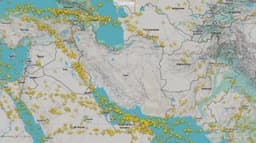
警惕外部链接哦。
警惕外部链接哦。
常见问题