

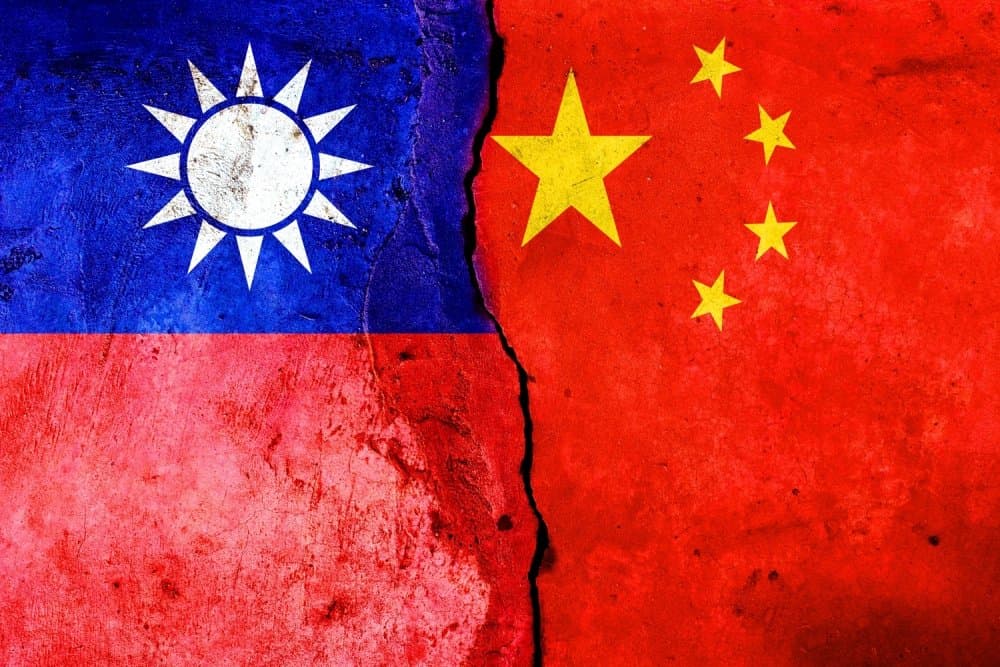
China's ongoing gray-zone pressure on Taiwan through coast guard patrols, aerial sorties, and maritime law enforcement in the Taiwan Strait and eastern waters has continued into September 2026, with August activity levels notably lower than prior months and focused on encirclement rehearsals rather than outright closure of sea lanes. Traders assign 95.9% implied probability to no full blockade this year, reflecting the high economic and military costs for Beijing, Taiwan's resilience drills and defense buildup, and the deterrent effect of potential U.S. and allied responses ahead of scheduled high-level diplomacy. Recent official assessments from Taipei note China's exercises emphasize joint blockade tactics but highlight gaps in amphibious capabilities. A shift could still occur from rapid escalation of an incident, altered U.S. posture after bilateral talks, or internal PRC decisions prioritizing force over sustained coercion.
基于Polymarket数据的AI实验性摘要。这不是交易建议,也不影响该市场的结算方式。 · 更新于是
$363,709 交易量
$363,709 交易量
是
$363,709 交易量
$363,709 交易量
A qualifying blockade is:
- Prevents the normal ingress or egress of foreign commercial traffic to or from Taiwan Island’s main ports or airports by threat or use of force for ≥ 24 hours.
- Covers part or whole of the main island of Taiwan (Formosa).
- Is declared and enforced, de facto (e.g., it is established that China is blocking a significant portion of foreign commercial traffic, as described above, by a wide consensus of credible reporting regardless of whether China has issued a statement or not), or China-issued navigation/airspace prohibitions covering Taiwan's main island's approach lanes that are actively enforced so that most foreign commercial access is denied.
A qualifying blockade is not:
- Military or naval exercises or drills (established with warning areas or NOTAMs that do not actively stop third-country ships/aircraft and do not materially deny access).
- Purely economic or coercive measures (e.g., sanctions, customs delays, fishing bans, cyber/GPS jamming) without physical interdiction or enforced closure).
- Weather/accident-related closures or voluntary rerouting by operators absent PRC enforcement.
- Islet-only incidents that do not involve the main island of Taiwan.
- Seizure or inspection of a single vessel/aircraft by itself, unless part of an enforced pattern that denies access as defined above.
The resolution source for this market will be a broad consensus of credible reporting.
市场开放时间: May 29, 2026, 9:10 AM ET
A qualifying blockade is:
- Prevents the normal ingress or egress of foreign commercial traffic to or from Taiwan Island’s main ports or airports by threat or use of force for ≥ 24 hours.
- Covers part or whole of the main island of Taiwan (Formosa).
- Is declared and enforced, de facto (e.g., it is established that China is blocking a significant portion of foreign commercial traffic, as described above, by a wide consensus of credible reporting regardless of whether China has issued a statement or not), or China-issued navigation/airspace prohibitions covering Taiwan's main island's approach lanes that are actively enforced so that most foreign commercial access is denied.
A qualifying blockade is not:
- Military or naval exercises or drills (established with warning areas or NOTAMs that do not actively stop third-country ships/aircraft and do not materially deny access).
- Purely economic or coercive measures (e.g., sanctions, customs delays, fishing bans, cyber/GPS jamming) without physical interdiction or enforced closure).
- Weather/accident-related closures or voluntary rerouting by operators absent PRC enforcement.
- Islet-only incidents that do not involve the main island of Taiwan.
- Seizure or inspection of a single vessel/aircraft by itself, unless part of an enforced pattern that denies access as defined above.
The resolution source for this market will be a broad consensus of credible reporting.
China's ongoing gray-zone pressure on Taiwan through coast guard patrols, aerial sorties, and maritime law enforcement in the Taiwan Strait and eastern waters has continued into September 2026, with August activity levels notably lower than prior months and focused on encirclement rehearsals rather than outright closure of sea lanes. Traders assign 95.9% implied probability to no full blockade this year, reflecting the high economic and military costs for Beijing, Taiwan's resilience drills and defense buildup, and the deterrent effect of potential U.S. and allied responses ahead of scheduled high-level diplomacy. Recent official assessments from Taipei note China's exercises emphasize joint blockade tactics but highlight gaps in amphibious capabilities. A shift could still occur from rapid escalation of an incident, altered U.S. posture after bilateral talks, or internal PRC decisions prioritizing force over sustained coercion.
基于Polymarket数据的AI实验性摘要。这不是交易建议,也不影响该市场的结算方式。 · 更新于
警惕外部链接哦。
警惕外部链接哦。
常见问题