
Recent developments show US-Iran negotiations stalled since the June 2026 Islamabad Memorandum, which established a 60-day window for final terms on nuclear issues, sanctions relief, ballistic missiles, and Strait of Hormuz navigation following earlier technical talks in Switzerland. As of mid-August, direct bilateral engagement has paused amid disputes over compliance, with Iran rejecting talks while accusing the US of violations and favoring indirect messaging through mediators like Oman, Pakistan, and Qatar. Oman-Iran discussions on Hormuz access represent the primary active diplomatic channel, while broader de-escalation efforts remain contingent on verifiable concessions. The December 31 deadline encompasses potential renewed rounds, though structural barriers including mutual accusations and regional tensions continue to shape trader assessments of attendance by senior officials.
Polymarket ডেটা রেফারেন্স করে পরীক্ষামূলক AI-জেনারেটেড সারাংশ। এটি ট্রেডিং পরামর্শ নয় এবং এই মার্কেট কীভাবে রেজলভ হয় তাতে কোনো ভূমিকা রাখে না। · আপডেটেড$115,650 Vol.

Steve Witkoff
69%

Jared Kushner
71%

Abbas Araghchi
61%

Majid Takht-Ravanchi
51%

Mohammad Bagher Ghalibaf
49%

J.D. Vance
50%

Mohammed bin Abdulrahman Al Thani
37%

Nick Stewart
26%

Rafael Grossi
32%

Ishaq Dar
28%

Masoud Pezeshkian
38%

Kazem Gharibabadi
20%

Badr bin Hamad Al Busaidi
16%

Donald Trump
12%

Esmail Qaani
12%

Ahmad Vahidi
6%

Pete Hegseth
6%

Mojtaba Khamenei
5%

Marco Rubio
44%
$115,650 Vol.
Steve Witkoff
69%
Jared Kushner
71%
Abbas Araghchi
61%
Majid Takht-Ravanchi
51%
Mohammad Bagher Ghalibaf
49%
J.D. Vance
50%
Mohammed bin Abdulrahman Al Thani
37%
Nick Stewart
26%
Rafael Grossi
32%
Ishaq Dar
28%
Masoud Pezeshkian
38%
Kazem Gharibabadi
20%
Badr bin Hamad Al Busaidi
16%
Donald Trump
12%
Esmail Qaani
12%
Ahmad Vahidi
6%
Pete Hegseth
6%
Mojtaba Khamenei
5%
Marco Rubio
44%
A qualifying round must be a deliberate in-person diplomatic meeting or negotiating round concerning US-Iran relations, involving senior representatives of both the United States and Iran who are acting in an official capacity and are authorized to conduct or materially direct diplomacy on behalf of their governments.
Indirect in-person diplomacy through designated mediators, facilitators, or interlocutors will qualify, provided senior representatives of both the United States and Iran are participating in the same formal diplomatic process with the knowledge and authorization of their respective governments. The representatives need not be in the same room at the same time.
Follow-on technical talks from the June 22 Switzerland round will not qualify by themselves. Technical, staff-level, working-group, implementation, monitoring, preparatory, or deconfliction meetings will not qualify unless they occur as part of a new formally convened senior-level U.S.-Iran peace-talks round.
Brief greetings, chance encounters, photo opportunities, ceremonial appearances, or talks not deliberately aimed at diplomacy or negotiation will not count.
The meeting must be in-person (including indirect in-person meetings) and must be publicly acknowledged by either government or reported by a consensus of credible media. Remote meetings, phone calls, or other meetings where the relevant parties are not present will not count.
Attendance refers to the listed individual being physically present and actively participating.
If a formal senior-level round of peace talks between representatives of the United States and Iran takes place over multiple days, attendance at any part of the meeting will qualify.
The primary resolution source for this market will be official information from the listed individual and the governments of the United States and Iran; however, a consensus of credible reporting will also be used.
মার্কেট ওপেন হয়েছে: Aug 12, 2026, 7:15 PM ET
Resolver
0x65070BE91...A qualifying round must be a deliberate in-person diplomatic meeting or negotiating round concerning US-Iran relations, involving senior representatives of both the United States and Iran who are acting in an official capacity and are authorized to conduct or materially direct diplomacy on behalf of their governments.
Indirect in-person diplomacy through designated mediators, facilitators, or interlocutors will qualify, provided senior representatives of both the United States and Iran are participating in the same formal diplomatic process with the knowledge and authorization of their respective governments. The representatives need not be in the same room at the same time.
Follow-on technical talks from the June 22 Switzerland round will not qualify by themselves. Technical, staff-level, working-group, implementation, monitoring, preparatory, or deconfliction meetings will not qualify unless they occur as part of a new formally convened senior-level U.S.-Iran peace-talks round.
Brief greetings, chance encounters, photo opportunities, ceremonial appearances, or talks not deliberately aimed at diplomacy or negotiation will not count.
The meeting must be in-person (including indirect in-person meetings) and must be publicly acknowledged by either government or reported by a consensus of credible media. Remote meetings, phone calls, or other meetings where the relevant parties are not present will not count.
Attendance refers to the listed individual being physically present and actively participating.
If a formal senior-level round of peace talks between representatives of the United States and Iran takes place over multiple days, attendance at any part of the meeting will qualify.
The primary resolution source for this market will be official information from the listed individual and the governments of the United States and Iran; however, a consensus of credible reporting will also be used.
Resolver
0x65070BE91...Recent developments show US-Iran negotiations stalled since the June 2026 Islamabad Memorandum, which established a 60-day window for final terms on nuclear issues, sanctions relief, ballistic missiles, and Strait of Hormuz navigation following earlier technical talks in Switzerland. As of mid-August, direct bilateral engagement has paused amid disputes over compliance, with Iran rejecting talks while accusing the US of violations and favoring indirect messaging through mediators like Oman, Pakistan, and Qatar. Oman-Iran discussions on Hormuz access represent the primary active diplomatic channel, while broader de-escalation efforts remain contingent on verifiable concessions. The December 31 deadline encompasses potential renewed rounds, though structural barriers including mutual accusations and regional tensions continue to shape trader assessments of attendance by senior officials.
Polymarket ডেটা রেফারেন্স করে পরীক্ষামূলক AI-জেনারেটেড সারাংশ। এটি ট্রেডিং পরামর্শ নয় এবং এই মার্কেট কীভাবে রেজলভ হয় তাতে কোনো ভূমিকা রাখে না। · আপডেটেড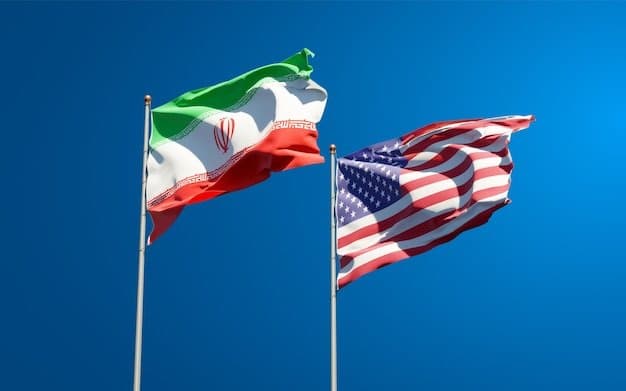
বাহ্যিক লিংক থেকে সাবধান।
বাহ্যিক লিংক থেকে সাবধান।
সচরাচর জিজ্ঞাসা