icon for Federal Gas Tax Suspended by...?

Federal Gas Tax Suspended by...?

icon for Federal Gas Tax Suspended by...?

Federal Gas Tax Suspended by...?

NEU
30. Juni 2026
Polymarket

$4,940 Vol.

Polymarket

June 30

$3,326 Vol.

18%

November 2

$1,614 Vol.

40%

On May 11, 2026, Trump proposed suspending the federal gas tax. This market will resolve to "Yes" if legislation that would, at least temporarily, suspend the federal excise tax on gasoline is passed by both chambers of the U.S. Congress and signed into law by the specified date (ET). Otherwise, this market will resolve to "No". Qualifying legislation may include joint resolutions and must pass both the House and the Senate, and must be signed by the President, become law without signature while Congress remains in session, or become law through veto override. Presidential pocket vetoes that expire will not qualify. The primary resolution sources for this market will be Congress.gov’s legislation tracker (https://www.congress.gov/bill/119th-congress/house-bill/22), the Library of Congress (congress.gov), and other official information from the government of the United States; however, a consensus of credible reporting may also be used.President Trump’s proposal to suspend the 18.4-cent federal gasoline excise tax and the 24.4-cent diesel tax for a temporary period has become the central driver of trader sentiment, following sharp fuel-price increases tied to the ongoing Iran conflict. Republican lawmakers including Sen. Josh Hawley introduced legislation on May 11 for a 90-day pause extendable by another 90 days at presidential discretion, while earlier Democratic bills sought a suspension through October. Passage requires congressional approval and faces resistance over limited per-driver savings and potential shortfalls for the Highway Trust Fund. Congress remains divided along partisan lines on offsetting revenue losses, with no floor votes scheduled and leadership expressing caution about fiscal and infrastructure impacts.

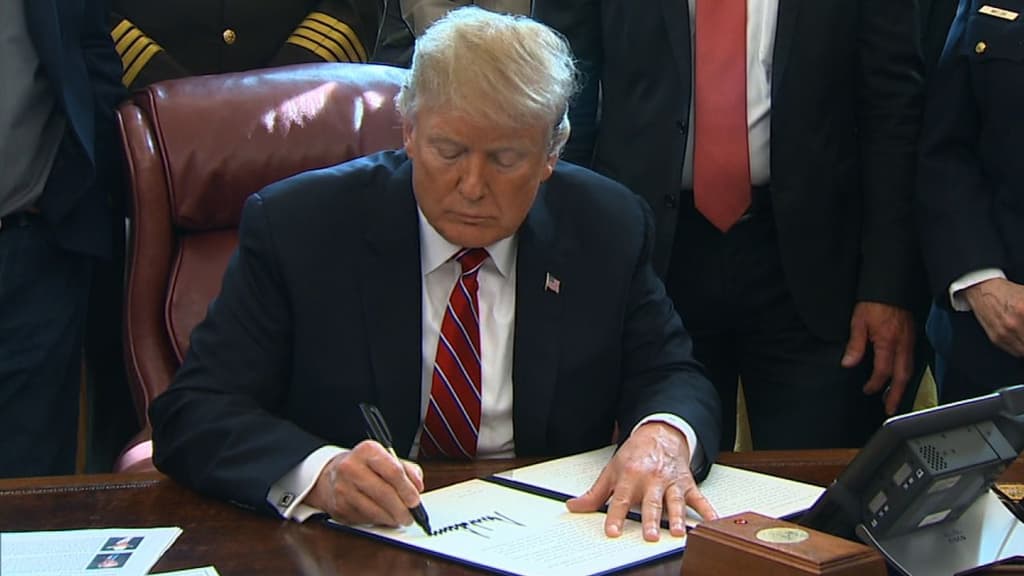
On May 11, 2026, Trump proposed suspending the federal gas tax.

This market will resolve to "Yes" if legislation that would, at least temporarily, suspend the federal excise tax on gasoline is passed by both chambers of the U.S. Congress and signed into law by the specified date (ET). Otherwise, this market will resolve to "No".

Qualifying legislation may include joint resolutions and must pass both the House and the Senate, and must be signed by the President, become law without signature while Congress remains in session, or become law through veto override. Presidential pocket vetoes that expire will not qualify.

The primary resolution sources for this market will be Congress.gov’s legislation tracker (https://www.congress.gov/bill/119th-congress/house-bill/22), the Library of Congress (congress.gov), and other official information from the government of the United States; however, a consensus of credible reporting may also be used.
Volumen
$4,940
Enddatum
31. Dez. 2026
Markt eröffnet
May 12, 2026, 1:38 PM ET
On May 11, 2026, Trump proposed suspending the federal gas tax. This market will resolve to "Yes" if legislation that would, at least temporarily, suspend the federal excise tax on gasoline is passed by both chambers of the U.S. Congress and signed into law by the specified date (ET). Otherwise, this market will resolve to "No". Qualifying legislation may include joint resolutions and must pass both the House and the Senate, and must be signed by the President, become law without signature while Congress remains in session, or become law through veto override. Presidential pocket vetoes that expire will not qualify. The primary resolution sources for this market will be Congress.gov’s legislation tracker (https://www.congress.gov/bill/119th-congress/house-bill/22), the Library of Congress (congress.gov), and other official information from the government of the United States; however, a consensus of credible reporting may also be used.
On May 11, 2026, Trump proposed suspending the federal gas tax. This market will resolve to "Yes" if legislation that would, at least temporarily, suspend the federal excise tax on gasoline is passed by both chambers of the U.S. Congress and signed into law by the specified date (ET). Otherwise, this market will resolve to "No". Qualifying legislation may include joint resolutions and must pass both the House and the Senate, and must be signed by the President, become law without signature while Congress remains in session, or become law through veto override. Presidential pocket vetoes that expire will not qualify. The primary resolution sources for this market will be Congress.gov’s legislation tracker (https://www.congress.gov/bill/119th-congress/house-bill/22), the Library of Congress (congress.gov), and other official information from the government of the United States; however, a consensus of credible reporting may also be used.President Trump’s proposal to suspend the 18.4-cent federal gasoline excise tax and the 24.4-cent diesel tax for a temporary period has become the central driver of trader sentiment, following sharp fuel-price increases tied to the ongoing Iran conflict. Republican lawmakers including Sen. Josh Hawley introduced legislation on May 11 for a 90-day pause extendable by another 90 days at presidential discretion, while earlier Democratic bills sought a suspension through October. Passage requires congressional approval and faces resistance over limited per-driver savings and potential shortfalls for the Highway Trust Fund. Congress remains divided along partisan lines on offsetting revenue losses, with no floor votes scheduled and leadership expressing caution about fiscal and infrastructure impacts.

On May 11, 2026, Trump proposed suspending the federal gas tax.

This market will resolve to "Yes" if legislation that would, at least temporarily, suspend the federal excise tax on gasoline is passed by both chambers of the U.S. Congress and signed into law by the specified date (ET). Otherwise, this market will resolve to "No".

Qualifying legislation may include joint resolutions and must pass both the House and the Senate, and must be signed by the President, become law without signature while Congress remains in session, or become law through veto override. Presidential pocket vetoes that expire will not qualify.

The primary resolution sources for this market will be Congress.gov’s legislation tracker (https://www.congress.gov/bill/119th-congress/house-bill/22), the Library of Congress (congress.gov), and other official information from the government of the United States; however, a consensus of credible reporting may also be used.
Volumen
$4,940
Enddatum
31. Dez. 2026
Markt eröffnet
May 12, 2026, 1:38 PM ET
On May 11, 2026, Trump proposed suspending the federal gas tax. This market will resolve to "Yes" if legislation that would, at least temporarily, suspend the federal excise tax on gasoline is passed by both chambers of the U.S. Congress and signed into law by the specified date (ET). Otherwise, this market will resolve to "No". Qualifying legislation may include joint resolutions and must pass both the House and the Senate, and must be signed by the President, become law without signature while Congress remains in session, or become law through veto override. Presidential pocket vetoes that expire will not qualify. The primary resolution sources for this market will be Congress.gov’s legislation tracker (https://www.congress.gov/bill/119th-congress/house-bill/22), the Library of Congress (congress.gov), and other official information from the government of the United States; however, a consensus of credible reporting may also be used.

Vorsicht bei externen Links.

Häufig gestellte Fragen

„Federal Gas Tax Suspended by...?" ist ein Prognosemarkt auf Polymarket mit 2 möglichen Ergebnissen, bei dem Händler Anteile auf Basis ihrer Einschätzung kaufen und verkaufen. Das aktuell führende Ergebnis ist „November 2" mit 40%, gefolgt von „June 30" mit 18%. Die Preise spiegeln Echtzeit-Wahrscheinlichkeiten der Community wider. Ein Anteilspreis von 40¢ bedeutet, dass der Markt diesem Ergebnis eine Wahrscheinlichkeit von 40% zuweist. Diese Quoten ändern sich laufend, wenn Händler auf neue Entwicklungen reagieren. Anteile am richtigen Ergebnis können bei Marktauflösung für jeweils $1 eingelöst werden.

„Federal Gas Tax Suspended by...?" ist ein neu erstellter Markt auf Polymarket, gestartet am May 12, 2026. Als früher Markt haben Sie die Gelegenheit, zu den ersten Händlern zu gehören, die die Quoten setzen und die ersten Preissignale des Marktes etablieren. Sie können diese Seite auch als Lesezeichen speichern, um Volumen und Handelsaktivität zu verfolgen, während der Markt an Fahrt gewinnt.

Um auf „Federal Gas Tax Suspended by...?" zu handeln, durchsuchen Sie die 2 verfügbaren Ergebnisse auf dieser Seite. Jedes Ergebnis zeigt einen aktuellen Preis, der die implizierte Wahrscheinlichkeit des Marktes darstellt. Um eine Position einzunehmen, wählen Sie das Ergebnis, das Sie für am wahrscheinlichsten halten, wählen Sie „Ja" um dafür oder „Nein" um dagegen zu handeln, geben Sie Ihren Betrag ein und klicken Sie auf „Handeln". Liegt Ihr gewähltes Ergebnis bei Marktauflösung richtig, zahlen Ihre „Ja"-Anteile jeweils $1 aus. Liegt es falsch, zahlen sie $0. Sie können Ihre Anteile auch jederzeit vor der Auflösung verkaufen.

Der aktuelle Favorit für „Federal Gas Tax Suspended by...?" ist „November 2" mit 40%, was bedeutet, dass der Markt diesem Ergebnis eine Wahrscheinlichkeit von 40% zuweist. Das nächstliegende Ergebnis ist „June 30" mit 18%. Diese Quoten werden in Echtzeit aktualisiert, wenn Händler Anteile kaufen und verkaufen. Schauen Sie regelmäßig vorbei oder speichern Sie diese Seite als Lesezeichen.

Die Auflösungsregeln für „Federal Gas Tax Suspended by...?" definieren genau, was passieren muss, damit jedes Ergebnis als Gewinner erklärt wird – einschließlich der offiziellen Datenquellen zur Bestimmung des Ergebnisses. Sie können die vollständigen Auflösungskriterien im Abschnitt „Regeln" auf dieser Seite über den Kommentaren einsehen. Wir empfehlen, die Regeln vor dem Handeln sorgfältig zu lesen, da sie die genauen Bedingungen, Sonderfälle und Quellen festlegen.