
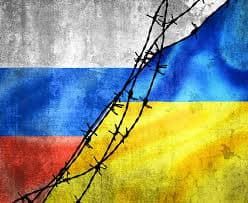
Russia's insistence on Ukrainian withdrawal from all of Donbas as a precondition for talks continues to block substantive negotiations, reinforced by Kremlin statements on May 13 that additional territorial concessions would be required in any agreement. The U.S.-brokered three-day ceasefire from May 9 to 11, which included a 1,000-prisoner exchange, saw mutual violation claims and resumed drone strikes immediately after expiration, underscoring the absence of lasting de-escalation. Slow Russian advances in Donetsk Oblast amid Ukrainian fortifications and counterattacks further highlight the mismatch between battlefield realities and Moscow's demands. With U.S. midterm elections approaching in November, diplomatic pressure may intensify, yet entrenched positions on security guarantees and territory suggest limited near-term prospects for a formal ceasefire.
Experimentelle KI-generierte Zusammenfassung mit Polymarket-Daten. Dies ist keine Handelsberatung und spielt keine Rolle bei der Auflösung dieses Marktes. · AktualisiertRussia x Ukraine Ceasefire by...?
May 31
3%
June 30
9%
October 31
24%
December 31
43%
$864 Vol.
May 31
3%
June 30
9%
October 31
24%
December 31
43%
A ceasefire refers to any mutually agreed suspension of direct military engagement between Russia and Ukraine, which is officially announced by both countries or confirmed by a consensus of credible reporting to have been mutually agreed by both countries, and which constitutes a general suspension of direct kinetic military engagement across the primary theater of the overall conflict. A broader peace deal, normalization agreement, political framework, truce, or humanitarian pause (including holiday ceasefires) will count provided they otherwise qualify under this market’s rules.
Any form of informal understanding, backchannel communication, de-escalation without an announced agreement, or unilateral pause in hostilities will not be considered a ceasefire. Agreements which only apply to specific conflict categories (e.g. restrictions on certain target categories or certain locations) will not qualify.
Any calendar day (EET) during which the ceasefire is in effect (including the first day of the ceasefire) will count towards the 10-day total. The required 10 day period will end at 11:59 PM EET on the 10th day (inclusive). If a qualifying ceasefire goes into effect prior to this market’s end date, this market will remain open until the ceasefire is no longer in effect, or until the 10 calendar days have been reached.
A ceasefire is considered no longer in effect when a consensus of credible reporting indicates the general suspension of hostilities has substantively ended across the primary theater. Temporary or technical lapses or expiration of a formal ceasefire term, isolated incidents, localized violations, or accusations alone will not invalidate the ceasefire provided the general suspension of hostilities across the primary theater continues. Where official government statements conflict with a consensus of credible field reporting, the reporting will take precedence over the government statements.
The resolution source for this market will be a consensus of credible sources.
Examples of qualifying Ceasefires:
April 8, 2026 US–Iran ceasefire: The United States and Iran publicly announced and implemented a mutually agreed ceasefire framework intended to broadly halt direct military hostilities between the two countries. Despite subsequent maritime confrontations, alleged violations, isolated retaliatory strikes, and disputes regarding compliance, the broader ceasefire framework continued to function and widescale fighting across the primary theater did not resume.
November 27, 2024 Israel–Hezbollah ceasefire: Israel and Hezbollah implemented a broadly operative ceasefire framework brokered through international mediators that substantially reduced hostilities across southern Lebanon and northern Israel, including the effective halt of Israel’s major ground offensive into Lebanon and a significant reduction in Hezbollah rocket fire. Although the ceasefire was not formally announced through a single joint declaration by both parties and public statements differed in framing and characterization, a consensus of credible reporting confirmed the arrangement had been mutually agreed and implemented in practice. Despite continued isolated strikes, alleged violations, and disputes regarding compliance, credible reporting broadly treated the ceasefire as remaining operational and widescale fighting across the primary theater of the conflict did not resume.
Examples of non qualifying Ceasefires:
November 24, 2023 Israel–Hamas humanitarian pause: Although it was a mutually agreed and publicly announced broad suspension of hostilities across Gaza, the ceasefire framework remained in effect for only approximately 7 days before wide-scale fighting resumed, failing the required 10-calendar-day duration requirement. Ceasefire violations prior to November 30, would not have invalidated the ceasefire.
July 22, 2022 Black Sea Grain Initiative: Although Russia and Ukraine entered into internationally brokered agreements governing grain exports and reducing risks to commercial shipping in the Black Sea, the arrangement did not constitute a general suspension of direct military engagement across the primary theater of the war. Hostilities continued across Ukraine throughout the duration of the agreement and the arrangement applied only to specific categories of activity and geographic areas.
May 2023 Sudan ceasefires (SAF–RSF): Although the Sudanese Armed Forces (SAF) and Rapid Support Forces (RSF) publicly agreed to multiple internationally brokered ceasefires, a consensus of credible reporting indicated that the general suspension of hostilities across the primary theater never substantively took effect and large-scale fighting broadly continued throughout the ceasefire periods. While some temporary reductions in violence and localized humanitarian access reportedly occurred in certain areas, artillery fire, airstrikes, urban combat, troop movements, and offensive operations continued across major parts of Sudan almost immediately after implementation. Credible reporting broadly treated the ceasefires as having failed or collapsed in practice despite technically remaining in force on paper.
Markt eröffnet: May 15, 2026, 8:00 PM ET
Resolver
0x65070BE91...A ceasefire refers to any mutually agreed suspension of direct military engagement between Russia and Ukraine, which is officially announced by both countries or confirmed by a consensus of credible reporting to have been mutually agreed by both countries, and which constitutes a general suspension of direct kinetic military engagement across the primary theater of the overall conflict. A broader peace deal, normalization agreement, political framework, truce, or humanitarian pause (including holiday ceasefires) will count provided they otherwise qualify under this market’s rules.
Any form of informal understanding, backchannel communication, de-escalation without an announced agreement, or unilateral pause in hostilities will not be considered a ceasefire. Agreements which only apply to specific conflict categories (e.g. restrictions on certain target categories or certain locations) will not qualify.
Any calendar day (EET) during which the ceasefire is in effect (including the first day of the ceasefire) will count towards the 10-day total. The required 10 day period will end at 11:59 PM EET on the 10th day (inclusive). If a qualifying ceasefire goes into effect prior to this market’s end date, this market will remain open until the ceasefire is no longer in effect, or until the 10 calendar days have been reached.
A ceasefire is considered no longer in effect when a consensus of credible reporting indicates the general suspension of hostilities has substantively ended across the primary theater. Temporary or technical lapses or expiration of a formal ceasefire term, isolated incidents, localized violations, or accusations alone will not invalidate the ceasefire provided the general suspension of hostilities across the primary theater continues. Where official government statements conflict with a consensus of credible field reporting, the reporting will take precedence over the government statements.
The resolution source for this market will be a consensus of credible sources.
Examples of qualifying Ceasefires:
April 8, 2026 US–Iran ceasefire: The United States and Iran publicly announced and implemented a mutually agreed ceasefire framework intended to broadly halt direct military hostilities between the two countries. Despite subsequent maritime confrontations, alleged violations, isolated retaliatory strikes, and disputes regarding compliance, the broader ceasefire framework continued to function and widescale fighting across the primary theater did not resume.
November 27, 2024 Israel–Hezbollah ceasefire: Israel and Hezbollah implemented a broadly operative ceasefire framework brokered through international mediators that substantially reduced hostilities across southern Lebanon and northern Israel, including the effective halt of Israel’s major ground offensive into Lebanon and a significant reduction in Hezbollah rocket fire. Although the ceasefire was not formally announced through a single joint declaration by both parties and public statements differed in framing and characterization, a consensus of credible reporting confirmed the arrangement had been mutually agreed and implemented in practice. Despite continued isolated strikes, alleged violations, and disputes regarding compliance, credible reporting broadly treated the ceasefire as remaining operational and widescale fighting across the primary theater of the conflict did not resume.
Examples of non qualifying Ceasefires:
November 24, 2023 Israel–Hamas humanitarian pause: Although it was a mutually agreed and publicly announced broad suspension of hostilities across Gaza, the ceasefire framework remained in effect for only approximately 7 days before wide-scale fighting resumed, failing the required 10-calendar-day duration requirement. Ceasefire violations prior to November 30, would not have invalidated the ceasefire.
July 22, 2022 Black Sea Grain Initiative: Although Russia and Ukraine entered into internationally brokered agreements governing grain exports and reducing risks to commercial shipping in the Black Sea, the arrangement did not constitute a general suspension of direct military engagement across the primary theater of the war. Hostilities continued across Ukraine throughout the duration of the agreement and the arrangement applied only to specific categories of activity and geographic areas.
May 2023 Sudan ceasefires (SAF–RSF): Although the Sudanese Armed Forces (SAF) and Rapid Support Forces (RSF) publicly agreed to multiple internationally brokered ceasefires, a consensus of credible reporting indicated that the general suspension of hostilities across the primary theater never substantively took effect and large-scale fighting broadly continued throughout the ceasefire periods. While some temporary reductions in violence and localized humanitarian access reportedly occurred in certain areas, artillery fire, airstrikes, urban combat, troop movements, and offensive operations continued across major parts of Sudan almost immediately after implementation. Credible reporting broadly treated the ceasefires as having failed or collapsed in practice despite technically remaining in force on paper.
Resolver
0x65070BE91...Russia's insistence on Ukrainian withdrawal from all of Donbas as a precondition for talks continues to block substantive negotiations, reinforced by Kremlin statements on May 13 that additional territorial concessions would be required in any agreement. The U.S.-brokered three-day ceasefire from May 9 to 11, which included a 1,000-prisoner exchange, saw mutual violation claims and resumed drone strikes immediately after expiration, underscoring the absence of lasting de-escalation. Slow Russian advances in Donetsk Oblast amid Ukrainian fortifications and counterattacks further highlight the mismatch between battlefield realities and Moscow's demands. With U.S. midterm elections approaching in November, diplomatic pressure may intensify, yet entrenched positions on security guarantees and territory suggest limited near-term prospects for a formal ceasefire.
Experimentelle KI-generierte Zusammenfassung mit Polymarket-Daten. Dies ist keine Handelsberatung und spielt keine Rolle bei der Auflösung dieses Marktes. · Aktualisiert
Vorsicht bei externen Links.
Häufig gestellte Fragen