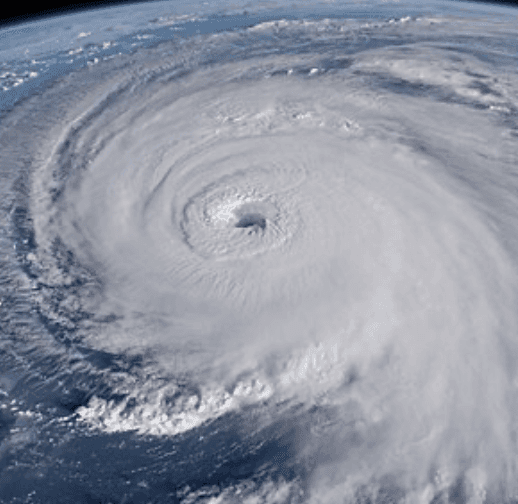
**Cristobal leads the market at 32.5% implied probability for the first 2026 Atlantic hurricane, followed closely by Dolly at 26%, with all later names below 9%.** As of mid-August 2026, only two tropical storms—Arthur and Bertha—have formed, both failing to reach the 74 mph hurricane threshold on the Saffir-Simpson scale. NOAA’s updated outlook keeps the season well below normal (7–13 named storms, 2–6 hurricanes total), consistent with suppressed conditions including elevated wind shear and limited African easterly wave activity. With the naming list progressing alphabetically after Bertha, the next system (likely Cristobal) carries the highest near-term odds of becoming the season’s first hurricane if it organizes and intensifies before later names like Dolly or Edouard develop. Market pricing reflects this timing uncertainty, the low accumulated cyclone energy so far, and the realistic chance that the first hurricane could still slip to Dolly or beyond if development remains delayed into late summer. Forecast model consensus and official National Hurricane Center updates through the peak months will be the key drivers shifting these odds.
Resumen experimental generado por IA con datos de Polymarket. Esto no es asesoramiento de trading y no influye en cómo se resuelve este mercado. · Actualizado¿Cómo se llamará el primer huracán en el Atlántico para la temporada de huracanes de 2026?
¿Cómo se llamará el primer huracán en el Atlántico para la temporada de huracanes de 2026?
Cristóbal 32%
Dolly 11%
Edouard 9%
Fay 6%
Cristóbal
32%
Dolly
25%
Edouard
9%
Fay
6%
Gonzalo
5%
Hanna
5%
Isaias
5%
Josephine
5%
Kyle
4%
Leah
4%
Marco
5%
Nana
5%
Omar
5%
Paulette
5%
Rene
5%
Sally
3%
Teddy
5%
Vicky
4%
Wilfred
5%
Otro
4%
Cristóbal 32%
Dolly 11%
Edouard 9%
Fay 6%
Cristóbal
32%
Dolly
25%
Edouard
9%
Fay
6%
Gonzalo
5%
Hanna
5%
Isaias
5%
Josephine
5%
Kyle
4%
Leah
4%
Marco
5%
Nana
5%
Omar
5%
Paulette
5%
Rene
5%
Sally
3%
Teddy
5%
Vicky
4%
Wilfred
5%
Otro
4%
A hurricane is a tropical cyclone with maximum sustained winds of 74 mph or greater (Category 1 or higher on the Saffir-Simpson Hurricane Wind Scale), as described at https://www.nhc.noaa.gov/aboutsshws.php. A tropical storm will not qualify as a hurricane even if it is named.
All names are from the NHC list of 2026 Atlantic Names (https://www.nhc.noaa.gov/aboutnames.shtml).
This market may resolve based on the initial NHC advisory reporting a qualifying hurricane regardless of any later advisory, retraction, best-track revision, or reanalysis that revises that storm's intensity downward.
Mercado abierto: Jul 24, 2026, 12:54 PM ET
Resolver
0x69c47De9D...A hurricane is a tropical cyclone with maximum sustained winds of 74 mph or greater (Category 1 or higher on the Saffir-Simpson Hurricane Wind Scale), as described at https://www.nhc.noaa.gov/aboutsshws.php. A tropical storm will not qualify as a hurricane even if it is named.
All names are from the NHC list of 2026 Atlantic Names (https://www.nhc.noaa.gov/aboutnames.shtml).
This market may resolve based on the initial NHC advisory reporting a qualifying hurricane regardless of any later advisory, retraction, best-track revision, or reanalysis that revises that storm's intensity downward.
Resolver
0x69c47De9D...**Cristobal leads the market at 32.5% implied probability for the first 2026 Atlantic hurricane, followed closely by Dolly at 26%, with all later names below 9%.** As of mid-August 2026, only two tropical storms—Arthur and Bertha—have formed, both failing to reach the 74 mph hurricane threshold on the Saffir-Simpson scale. NOAA’s updated outlook keeps the season well below normal (7–13 named storms, 2–6 hurricanes total), consistent with suppressed conditions including elevated wind shear and limited African easterly wave activity. With the naming list progressing alphabetically after Bertha, the next system (likely Cristobal) carries the highest near-term odds of becoming the season’s first hurricane if it organizes and intensifies before later names like Dolly or Edouard develop. Market pricing reflects this timing uncertainty, the low accumulated cyclone energy so far, and the realistic chance that the first hurricane could still slip to Dolly or beyond if development remains delayed into late summer. Forecast model consensus and official National Hurricane Center updates through the peak months will be the key drivers shifting these odds.
Resumen experimental generado por IA con datos de Polymarket. Esto no es asesoramiento de trading y no influye en cómo se resuelve este mercado. · Actualizado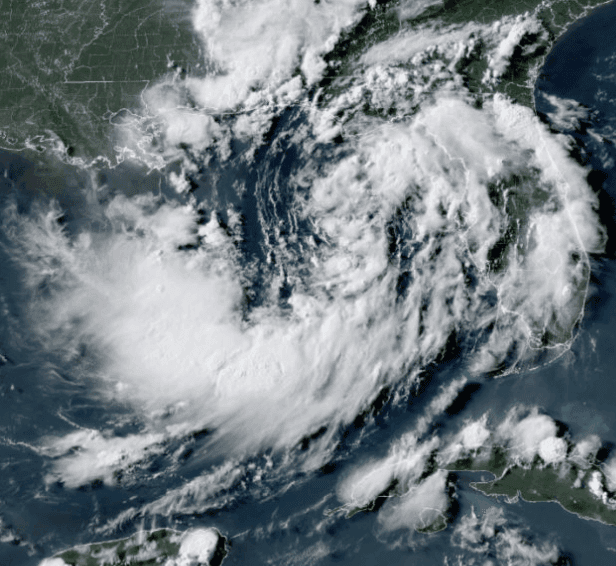


Cuidado con los enlaces externos.
Cuidado con los enlaces externos.
Preguntas frecuentes