
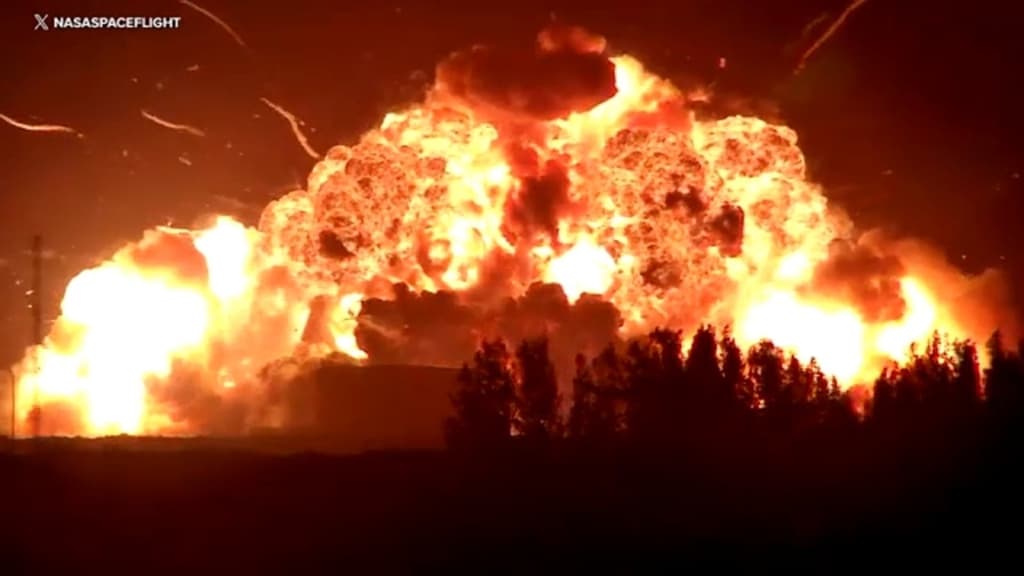
Blue Origin's recent New Glenn explosion during a May 28 static fire test at Cape Canaveral's Launch Complex 36 has severely damaged the company's sole operational heavy-lift pad, destroyed the vehicle, and triggered a fresh FAA investigation. This infrastructure setback, combined with ongoing repairs that industry analysts expect could ground New Glenn flights for many months, underpins the 93% market-implied probability against another explosion by October 31. With launch schedules already shifted to late 2026 or later, the absence of near-term engine tests or orbital attempts sharply reduces the chance of a repeat incident. While rapid pad reconstruction or an unforeseen test could theoretically introduce risk, the scale of damage and regulatory scrutiny make such outcomes improbable in the timeframe.
Experimental AI-generated summary referencing Polymarket data. This is not trading advice and plays no role in how this market resolves. · UpdatedAn explosion is defined as a violent and catastrophic event resulting in the destruction of all or part of the vehicle, regardless of intent or context (e.g., a planned termination event would also count).
The resolution source for this market will be official information from Blue Origin; however, a consensus of credible reporting may also be used.
Market Opened: Jun 1, 2026, 9:10 AM ET
Resolver
0x65070BE91...An explosion is defined as a violent and catastrophic event resulting in the destruction of all or part of the vehicle, regardless of intent or context (e.g., a planned termination event would also count).
The resolution source for this market will be official information from Blue Origin; however, a consensus of credible reporting may also be used.
Resolver
0x65070BE91...Blue Origin's recent New Glenn explosion during a May 28 static fire test at Cape Canaveral's Launch Complex 36 has severely damaged the company's sole operational heavy-lift pad, destroyed the vehicle, and triggered a fresh FAA investigation. This infrastructure setback, combined with ongoing repairs that industry analysts expect could ground New Glenn flights for many months, underpins the 93% market-implied probability against another explosion by October 31. With launch schedules already shifted to late 2026 or later, the absence of near-term engine tests or orbital attempts sharply reduces the chance of a repeat incident. While rapid pad reconstruction or an unforeseen test could theoretically introduce risk, the scale of damage and regulatory scrutiny make such outcomes improbable in the timeframe.
Experimental AI-generated summary referencing Polymarket data. This is not trading advice and plays no role in how this market resolves. · Updated


Beware of external links.
Frequently Asked Questions