
The Federal Open Market Committee’s September 16, 2026, decision to raise the federal funds target range to 3.75%-4.00%—its first hike since 2023—reflects elevated inflation readings near 3.4-3.7% and resilient economic growth with a stable labor market. Policymakers’ updated dot plot now points to one additional 25-basis-point increase by year-end, holding the median rate near 4.1% through 2027 before modest easing in 2028. This hawkish shift, driven by persistent price pressures and geopolitical uncertainties, has elevated market-implied odds of the upper bound reaching 4.25% before 2027 while keeping probabilities for deeper cuts or further aggressive hikes low. Traders are closely watching the October 28 and December FOMC meetings, along with incoming CPI and employment data, for signals on whether the terminal rate path will hold steady or adjust.
Riepilogo sperimentale generato dall'AI con riferimento ai dati di Polymarket. Questo non è un consiglio di trading e non ha alcun ruolo nella risoluzione di questo mercato. · AggiornatoFederal Reserve Chair Kevin Warsh leads unanimous rate hike to 3.75%-4%
↑ 4.25% surges to 77%50%
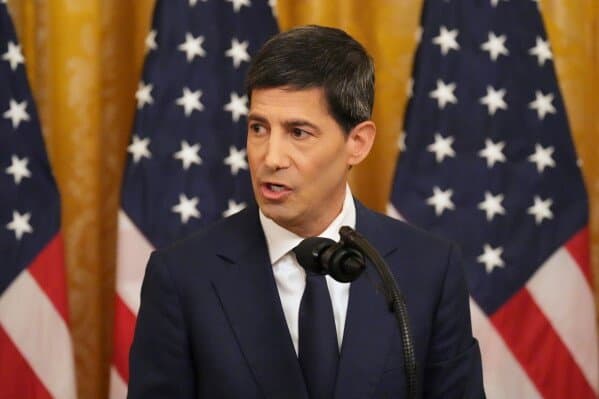
Kevin Warsh, confirmed as Fed Chair in May 2026, led the Federal Reserve's unanimous decision to raise rates to 3.75%-4.00% on September 16, 2026, emphasizing the importance of price stability and signaling a shift in monetary policy after years of steady rates.
FOMC raises federal funds rate by 25 basis points to 4.00%-4.25% to combat elevated inflation
↑ 4.25% surges to 79%64%
In September 2026, the Fed unanimously voted to increase the target range by 25 basis points, citing persistent inflation above target, which significantly boosted market expectations for the 4.25% outcome and reduced probabilities for lower rate outcomes.
Fai attenzione ai link esterni.
Fai attenzione ai link esterni.
Domande frequenti