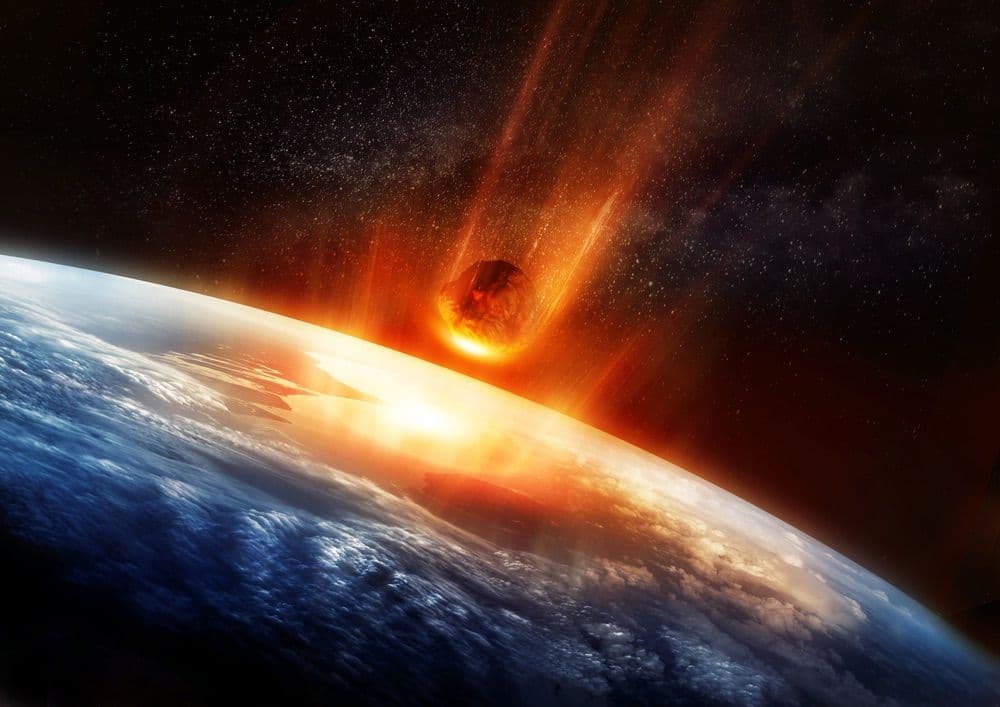
**Comprehensive near-Earth object monitoring by NASA’s CNEOS, ESA’s NEOCC, and the Sentry impact system shows no known asteroids or comets on trajectories that could deliver a 1-megaton-or-greater airburst in 2026.** With more than half the year elapsed and no detections meeting the energy threshold, traders assign 98.7% probability to “No.” Surveys have catalogued the vast majority of objects large enough to produce such yields, and routine close approaches tracked through mid-August remain safely distant. The only realistic remaining pathways to a “Yes” outcome involve an as-yet-undetected small body entering Earth’s atmosphere late in the year—an event whose odds are constrained by improving survey coverage and the short remaining timeframe.
Tóm tắt AI thử nghiệm tham chiếu dữ liệu Polymarket. Đây không phải tư vấn giao dịch và không ảnh hưởng đến cách thị trường này được giải quyết. · Cập nhật1 megaton meteor strike in 2026?
$116,329 KL.
$116,329 KL.
$116,329 KL.
$116,329 KL.
The object must be classified as a natural meteoroid; events involving artificial objects or reentry vehicles do not qualify.
The primary resolution source will be the NASA JPL Fireball and Bolide Data repository: https://cneos.jpl.nasa.gov/fireballs/. The relevant field for determining impact energy is the “Impact Energy (kt)” column. If this dataset has not been updated to include all relevant dates by February 28, 2027, or if the NASA JPL Fireball and Bolide Data repository becomes permanently unavailable, this market may resolve based on a consensus of credible sources including the European Space Agency (ESA), the International Asteroid Warning Network (IAWN), the U.S. Department of Defense, or credible reporting of a scientific consensus, such as a NASA press release.
Thị trường mở: Jan 2, 2026, 2:24 PM ET
Resolver
0x65070BE91...The object must be classified as a natural meteoroid; events involving artificial objects or reentry vehicles do not qualify.
The primary resolution source will be the NASA JPL Fireball and Bolide Data repository: https://cneos.jpl.nasa.gov/fireballs/. The relevant field for determining impact energy is the “Impact Energy (kt)” column. If this dataset has not been updated to include all relevant dates by February 28, 2027, or if the NASA JPL Fireball and Bolide Data repository becomes permanently unavailable, this market may resolve based on a consensus of credible sources including the European Space Agency (ESA), the International Asteroid Warning Network (IAWN), the U.S. Department of Defense, or credible reporting of a scientific consensus, such as a NASA press release.
Resolver
0x65070BE91...**Comprehensive near-Earth object monitoring by NASA’s CNEOS, ESA’s NEOCC, and the Sentry impact system shows no known asteroids or comets on trajectories that could deliver a 1-megaton-or-greater airburst in 2026.** With more than half the year elapsed and no detections meeting the energy threshold, traders assign 98.7% probability to “No.” Surveys have catalogued the vast majority of objects large enough to produce such yields, and routine close approaches tracked through mid-August remain safely distant. The only realistic remaining pathways to a “Yes” outcome involve an as-yet-undetected small body entering Earth’s atmosphere late in the year—an event whose odds are constrained by improving survey coverage and the short remaining timeframe.
Tóm tắt AI thử nghiệm tham chiếu dữ liệu Polymarket. Đây không phải tư vấn giao dịch và không ảnh hưởng đến cách thị trường này được giải quyết. · Cập nhật
Cẩn thận với liên kết bên ngoài.
Câu hỏi thường gặp