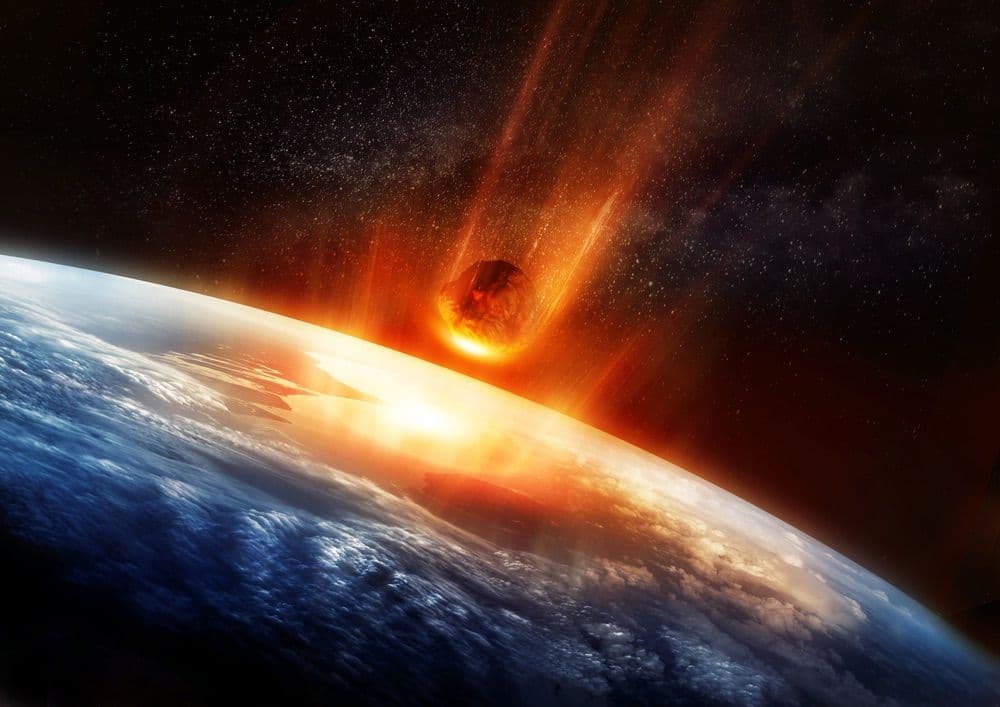
Extensive NASA CNEOS and Sentry monitoring, alongside ESA data, shows no known near-Earth objects on trajectories capable of delivering 100kt TNT-equivalent impact energy in 2026. Comprehensive surveys have cataloged hazardous asteroids well in advance, with current close approaches limited to small, non-threatening bodies that burn up harmlessly. By mid-August, remaining windows for undetected large impacts have narrowed sharply. While an unforeseen long-period comet or statistical outlier remains theoretically possible, the completeness of planetary defense networks makes such events highly improbable, anchoring trader consensus on the "No" outcome.
Tóm tắt AI thử nghiệm tham chiếu dữ liệu Polymarket. Đây không phải tư vấn giao dịch và không ảnh hưởng đến cách thị trường này được giải quyết. · Cập nhật100kt meteor strike in 2026?
100kt meteor strike in 2026?
4% khả năng
MỚI
MỚI
Dec 31, 2026
4% khả năng
MỚI
MỚI
Dec 31, 2026
This market will resolve to "Yes" if a natural meteoroid (bolide) explodes in Earth's atmosphere with a total impact energy greater than or equal to 100 kilotons of TNT equivalent between January 1 and December 31, 2026, 11:59 PM ET. Otherwise, this market will resolve to “No”.
The object must be classified as a natural meteoroid; events involving artificial objects or reentry vehicles do not qualify.
The primary resolution source will be the NASA JPL Fireball and Bolide Data repository: https://cneos.jpl.nasa.gov/fireballs/. The relevant field for determining impact energy is the “Impact Energy (kt)” column. If this dataset has not been updated to include all relevant dates by February 28, 2027, or if the NASA JPL Fireball and Bolide Data repository becomes permanently unavailable, this market may resolve based on a consensus of credible sources including the European Space Agency (ESA), the International Asteroid Warning Network (IAWN), the U.S. Department of Defense, or credible reporting of a scientific consensus, such as a NASA press release.Extensive NASA CNEOS and Sentry monitoring, alongside ESA data, shows no known near-Earth objects on trajectories capable of delivering 100kt TNT-equivalent impact energy in 2026. Comprehensive surveys have cataloged hazardous asteroids well in advance, with current close approaches limited to small, non-threatening bodies that burn up harmlessly. By mid-August, remaining windows for undetected large impacts have narrowed sharply. While an unforeseen long-period comet or statistical outlier remains theoretically possible, the completeness of planetary defense networks makes such events highly improbable, anchoring trader consensus on the "No" outcome.
This market will resolve to "Yes" if a natural meteoroid (bolide) explodes in Earth's atmosphere with a total impact energy greater than or equal to 100 kilotons of TNT equivalent between January 1 and December 31, 2026, 11:59 PM ET. Otherwise, this market will resolve to “No”.
The object must be classified as a natural meteoroid; events involving artificial objects or reentry vehicles do not qualify.
The primary resolution source will be the NASA JPL Fireball and Bolide Data repository: https://cneos.jpl.nasa.gov/fireballs/. The relevant field for determining impact energy is the “Impact Energy (kt)” column. If this dataset has not been updated to include all relevant dates by February 28, 2027, or if the NASA JPL Fireball and Bolide Data repository becomes permanently unavailable, this market may resolve based on a consensus of credible sources including the European Space Agency (ESA), the International Asteroid Warning Network (IAWN), the U.S. Department of Defense, or credible reporting of a scientific consensus, such as a NASA press release.
The object must be classified as a natural meteoroid; events involving artificial objects or reentry vehicles do not qualify.
The primary resolution source will be the NASA JPL Fireball and Bolide Data repository: https://cneos.jpl.nasa.gov/fireballs/. The relevant field for determining impact energy is the “Impact Energy (kt)” column. If this dataset has not been updated to include all relevant dates by February 28, 2027, or if the NASA JPL Fireball and Bolide Data repository becomes permanently unavailable, this market may resolve based on a consensus of credible sources including the European Space Agency (ESA), the International Asteroid Warning Network (IAWN), the U.S. Department of Defense, or credible reporting of a scientific consensus, such as a NASA press release.
Thị trường mở: Jan 2, 2026, 2:23 PM ET
Khối lượng
$8,865Ngày kết thúc
Dec 31, 2026Thị trường mở
Jan 2, 2026, 2:23 PM ETResolver
0x65070BE91...This market will resolve to "Yes" if a natural meteoroid (bolide) explodes in Earth's atmosphere with a total impact energy greater than or equal to 100 kilotons of TNT equivalent between January 1 and December 31, 2026, 11:59 PM ET. Otherwise, this market will resolve to “No”.
The object must be classified as a natural meteoroid; events involving artificial objects or reentry vehicles do not qualify.
The primary resolution source will be the NASA JPL Fireball and Bolide Data repository: https://cneos.jpl.nasa.gov/fireballs/. The relevant field for determining impact energy is the “Impact Energy (kt)” column. If this dataset has not been updated to include all relevant dates by February 28, 2027, or if the NASA JPL Fireball and Bolide Data repository becomes permanently unavailable, this market may resolve based on a consensus of credible sources including the European Space Agency (ESA), the International Asteroid Warning Network (IAWN), the U.S. Department of Defense, or credible reporting of a scientific consensus, such as a NASA press release.Extensive NASA CNEOS and Sentry monitoring, alongside ESA data, shows no known near-Earth objects on trajectories capable of delivering 100kt TNT-equivalent impact energy in 2026. Comprehensive surveys have cataloged hazardous asteroids well in advance, with current close approaches limited to small, non-threatening bodies that burn up harmlessly. By mid-August, remaining windows for undetected large impacts have narrowed sharply. While an unforeseen long-period comet or statistical outlier remains theoretically possible, the completeness of planetary defense networks makes such events highly improbable, anchoring trader consensus on the "No" outcome.
This market will resolve to "Yes" if a natural meteoroid (bolide) explodes in Earth's atmosphere with a total impact energy greater than or equal to 100 kilotons of TNT equivalent between January 1 and December 31, 2026, 11:59 PM ET. Otherwise, this market will resolve to “No”.
The object must be classified as a natural meteoroid; events involving artificial objects or reentry vehicles do not qualify.
The primary resolution source will be the NASA JPL Fireball and Bolide Data repository: https://cneos.jpl.nasa.gov/fireballs/. The relevant field for determining impact energy is the “Impact Energy (kt)” column. If this dataset has not been updated to include all relevant dates by February 28, 2027, or if the NASA JPL Fireball and Bolide Data repository becomes permanently unavailable, this market may resolve based on a consensus of credible sources including the European Space Agency (ESA), the International Asteroid Warning Network (IAWN), the U.S. Department of Defense, or credible reporting of a scientific consensus, such as a NASA press release.
The object must be classified as a natural meteoroid; events involving artificial objects or reentry vehicles do not qualify.
The primary resolution source will be the NASA JPL Fireball and Bolide Data repository: https://cneos.jpl.nasa.gov/fireballs/. The relevant field for determining impact energy is the “Impact Energy (kt)” column. If this dataset has not been updated to include all relevant dates by February 28, 2027, or if the NASA JPL Fireball and Bolide Data repository becomes permanently unavailable, this market may resolve based on a consensus of credible sources including the European Space Agency (ESA), the International Asteroid Warning Network (IAWN), the U.S. Department of Defense, or credible reporting of a scientific consensus, such as a NASA press release.
Khối lượng
$8,865Ngày kết thúc
Dec 31, 2026Thị trường mở
Jan 2, 2026, 2:23 PM ETResolver
0x65070BE91...Extensive NASA CNEOS and Sentry monitoring, alongside ESA data, shows no known near-Earth objects on trajectories capable of delivering 100kt TNT-equivalent impact energy in 2026. Comprehensive surveys have cataloged hazardous asteroids well in advance, with current close approaches limited to small, non-threatening bodies that burn up harmlessly. By mid-August, remaining windows for undetected large impacts have narrowed sharply. While an unforeseen long-period comet or statistical outlier remains theoretically possible, the completeness of planetary defense networks makes such events highly improbable, anchoring trader consensus on the "No" outcome.
Tóm tắt AI thử nghiệm tham chiếu dữ liệu Polymarket. Đây không phải tư vấn giao dịch và không ảnh hưởng đến cách thị trường này được giải quyết. · Cập nhật
Cẩn thận với liên kết bên ngoài.
Cẩn thận với liên kết bên ngoài.
Câu hỏi thường gặp