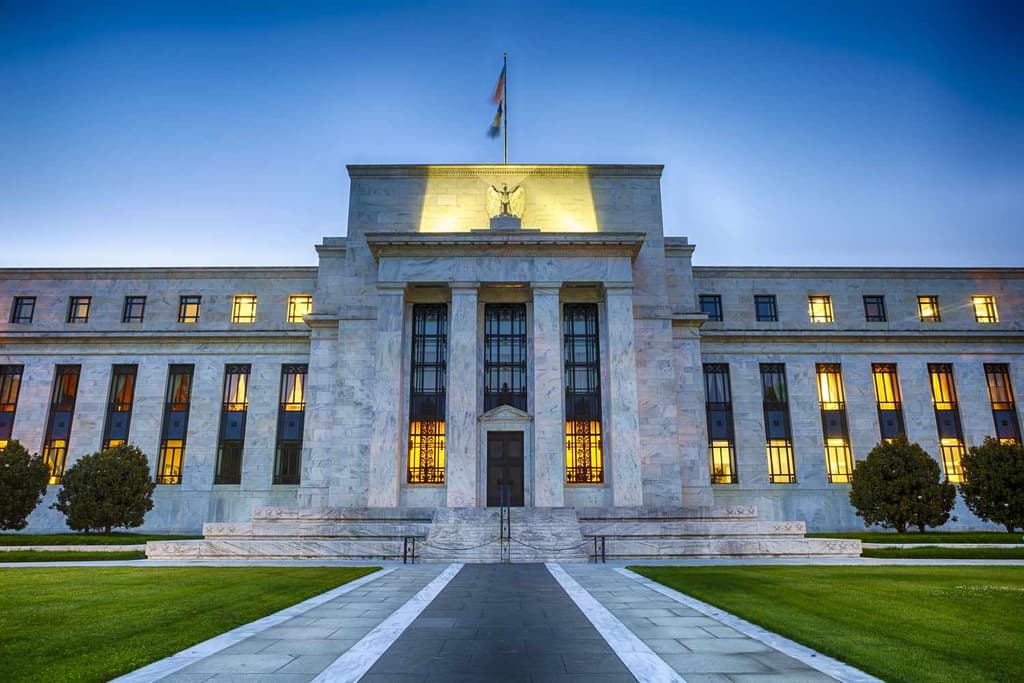
Recent inflation pressures and a divided FOMC have anchored trader consensus around repeated pauses in the federal funds rate through the June–September window. The July meeting held rates steady at 3.50–3.75% on a 9-3 vote despite rising oil prices and dissenting calls for a hike, while incoming data have shown only modest progress toward the 2% target. This path aligns with market-implied odds favoring three consecutive holds, reflecting caution ahead of the September decision and limited evidence that policy needs immediate tightening or easing. Analysts note that any acceleration in core PCE or labor-market softening could shift the September outcome, though current pricing embeds a low probability for a cut.
Résumé expérimental généré par IA à partir des données Polymarket. Ceci n'est pas un conseil de trading et ne joue aucun rôle dans la résolution de ce marché. · Mis à jourFed decisions (Jun-Sep)
Fed decisions (Jun-Sep)
Pause–Pause–Pause 68%
Other 35%
Pause–Pause–Cut <1%
$732,050 Vol.
$732,050 Vol.
16 sept. 2026
Pause–Pause–Pause
68%
Pause–Pause–Cut
<1%
Other
35%
Pause–Pause–Pause 68%
Other 35%
Pause–Pause–Cut <1%
$732,050 Vol.
$732,050 Vol.
16 sept. 2026
Pause–Pause–Pause
$290,028 Vol.
68%
Pause–Pause–Cut
$72,086 Vol.
<1%
Other
$314,059 Vol.
35%
The FED interest rates are defined in this market by the upper bound of the target federal funds rate. The decisions on the target federal funds rate are made by the Federal Open Market Committee (FOMC) meetings.
This market will resolve according to the decisions made by the next three Federal Open Market Committee (FOMC) meetings: June 16-17; July 28-29; and September 15-16.
A qualifying cut occurs when the new upper bound of the target federal funds rate is lower compared to the level it was prior to the respective meeting.
A qualifying hike occurs when the new upper bound of the target federal funds rate is higher compared to the level it was prior to the respective meeting.
A qualifying pause occurs when the new upper bound of the target federal funds rate is equal to the level it was prior to the respective meeting.
If the Fed publishes a different combination than any listed, this market will resolve to "Other". Any rate hike will be encompassed by "Other".
Emergency rate cuts outside the regularly scheduled meetings will not be considered.
The resolution source for this market is the FOMC’s statement after its meetings:
https://www.federalreserve.gov/monetarypolicy/fomccalendars.htm
The level and change of the target federal funds rate is also published at the official website of the Federal Reserve:
https://www.federalreserve.gov/monetarypolicy/openmarket.htmRecent inflation pressures and a divided FOMC have anchored trader consensus around repeated pauses in the federal funds rate through the June–September window. The July meeting held rates steady at 3.50–3.75% on a 9-3 vote despite rising oil prices and dissenting calls for a hike, while incoming data have shown only modest progress toward the 2% target. This path aligns with market-implied odds favoring three consecutive holds, reflecting caution ahead of the September decision and limited evidence that policy needs immediate tightening or easing. Analysts note that any acceleration in core PCE or labor-market softening could shift the September outcome, though current pricing embeds a low probability for a cut.
The FED interest rates are defined in this market by the upper bound of the target federal funds rate. The decisions on the target federal funds rate are made by the Federal Open Market Committee (FOMC) meetings.
This market will resolve according to the decisions made by the next three Federal Open Market Committee (FOMC) meetings: June 16-17; July 28-29; and September 15-16.
A qualifying cut occurs when the new upper bound of the target federal funds rate is lower compared to the level it was prior to the respective meeting.
A qualifying hike occurs when the new upper bound of the target federal funds rate is higher compared to the level it was prior to the respective meeting.
A qualifying pause occurs when the new upper bound of the target federal funds rate is equal to the level it was prior to the respective meeting.
If the Fed publishes a different combination than any listed, this market will resolve to "Other". Any rate hike will be encompassed by "Other".
Emergency rate cuts outside the regularly scheduled meetings will not be considered.
The resolution source for this market is the FOMC’s statement after its meetings:
https://www.federalreserve.gov/monetarypolicy/fomccalendars.htm
The level and change of the target federal funds rate is also published at the official website of the Federal Reserve:
https://www.federalreserve.gov/monetarypolicy/openmarket.htm
This market will resolve according to the decisions made by the next three Federal Open Market Committee (FOMC) meetings: June 16-17; July 28-29; and September 15-16.
A qualifying cut occurs when the new upper bound of the target federal funds rate is lower compared to the level it was prior to the respective meeting.
A qualifying hike occurs when the new upper bound of the target federal funds rate is higher compared to the level it was prior to the respective meeting.
A qualifying pause occurs when the new upper bound of the target federal funds rate is equal to the level it was prior to the respective meeting.
If the Fed publishes a different combination than any listed, this market will resolve to "Other". Any rate hike will be encompassed by "Other".
Emergency rate cuts outside the regularly scheduled meetings will not be considered.
The resolution source for this market is the FOMC’s statement after its meetings:
https://www.federalreserve.gov/monetarypolicy/fomccalendars.htm
The level and change of the target federal funds rate is also published at the official website of the Federal Reserve:
https://www.federalreserve.gov/monetarypolicy/openmarket.htm
Marché ouvert : Apr 29, 2026, 7:50 PM ET
Volume
$732,050Date de fin
16 sept. 2026Marché ouvert
Apr 29, 2026, 7:50 PM ETResolver
0x69c47De9D...The FED interest rates are defined in this market by the upper bound of the target federal funds rate. The decisions on the target federal funds rate are made by the Federal Open Market Committee (FOMC) meetings.
This market will resolve according to the decisions made by the next three Federal Open Market Committee (FOMC) meetings: June 16-17; July 28-29; and September 15-16.
A qualifying cut occurs when the new upper bound of the target federal funds rate is lower compared to the level it was prior to the respective meeting.
A qualifying hike occurs when the new upper bound of the target federal funds rate is higher compared to the level it was prior to the respective meeting.
A qualifying pause occurs when the new upper bound of the target federal funds rate is equal to the level it was prior to the respective meeting.
If the Fed publishes a different combination than any listed, this market will resolve to "Other". Any rate hike will be encompassed by "Other".
Emergency rate cuts outside the regularly scheduled meetings will not be considered.
The resolution source for this market is the FOMC’s statement after its meetings:
https://www.federalreserve.gov/monetarypolicy/fomccalendars.htm
The level and change of the target federal funds rate is also published at the official website of the Federal Reserve:
https://www.federalreserve.gov/monetarypolicy/openmarket.htmRecent inflation pressures and a divided FOMC have anchored trader consensus around repeated pauses in the federal funds rate through the June–September window. The July meeting held rates steady at 3.50–3.75% on a 9-3 vote despite rising oil prices and dissenting calls for a hike, while incoming data have shown only modest progress toward the 2% target. This path aligns with market-implied odds favoring three consecutive holds, reflecting caution ahead of the September decision and limited evidence that policy needs immediate tightening or easing. Analysts note that any acceleration in core PCE or labor-market softening could shift the September outcome, though current pricing embeds a low probability for a cut.
The FED interest rates are defined in this market by the upper bound of the target federal funds rate. The decisions on the target federal funds rate are made by the Federal Open Market Committee (FOMC) meetings.
This market will resolve according to the decisions made by the next three Federal Open Market Committee (FOMC) meetings: June 16-17; July 28-29; and September 15-16.
A qualifying cut occurs when the new upper bound of the target federal funds rate is lower compared to the level it was prior to the respective meeting.
A qualifying hike occurs when the new upper bound of the target federal funds rate is higher compared to the level it was prior to the respective meeting.
A qualifying pause occurs when the new upper bound of the target federal funds rate is equal to the level it was prior to the respective meeting.
If the Fed publishes a different combination than any listed, this market will resolve to "Other". Any rate hike will be encompassed by "Other".
Emergency rate cuts outside the regularly scheduled meetings will not be considered.
The resolution source for this market is the FOMC’s statement after its meetings:
https://www.federalreserve.gov/monetarypolicy/fomccalendars.htm
The level and change of the target federal funds rate is also published at the official website of the Federal Reserve:
https://www.federalreserve.gov/monetarypolicy/openmarket.htm
This market will resolve according to the decisions made by the next three Federal Open Market Committee (FOMC) meetings: June 16-17; July 28-29; and September 15-16.
A qualifying cut occurs when the new upper bound of the target federal funds rate is lower compared to the level it was prior to the respective meeting.
A qualifying hike occurs when the new upper bound of the target federal funds rate is higher compared to the level it was prior to the respective meeting.
A qualifying pause occurs when the new upper bound of the target federal funds rate is equal to the level it was prior to the respective meeting.
If the Fed publishes a different combination than any listed, this market will resolve to "Other". Any rate hike will be encompassed by "Other".
Emergency rate cuts outside the regularly scheduled meetings will not be considered.
The resolution source for this market is the FOMC’s statement after its meetings:
https://www.federalreserve.gov/monetarypolicy/fomccalendars.htm
The level and change of the target federal funds rate is also published at the official website of the Federal Reserve:
https://www.federalreserve.gov/monetarypolicy/openmarket.htm
Volume
$732,050Date de fin
16 sept. 2026Marché ouvert
Apr 29, 2026, 7:50 PM ETResolver
0x69c47De9D...Recent inflation pressures and a divided FOMC have anchored trader consensus around repeated pauses in the federal funds rate through the June–September window. The July meeting held rates steady at 3.50–3.75% on a 9-3 vote despite rising oil prices and dissenting calls for a hike, while incoming data have shown only modest progress toward the 2% target. This path aligns with market-implied odds favoring three consecutive holds, reflecting caution ahead of the September decision and limited evidence that policy needs immediate tightening or easing. Analysts note that any acceleration in core PCE or labor-market softening could shift the September outcome, though current pricing embeds a low probability for a cut.
Résumé expérimental généré par IA à partir des données Polymarket. Ceci n'est pas un conseil de trading et ne joue aucun rôle dans la résolution de ce marché. · Mis à jour
Méfiez-vous des liens externes.
Méfiez-vous des liens externes.
Questions fréquentes