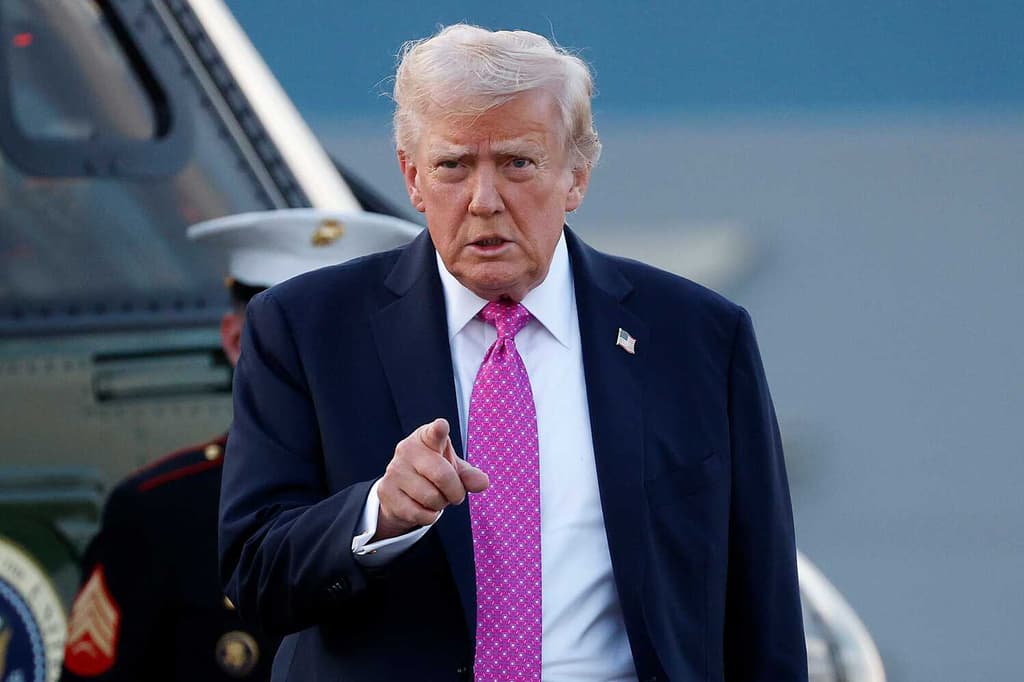
Recent campaign rallies and social media posts by Donald Trump have featured repeated personal criticisms of political opponents and media figures, consistent with his long-standing rhetorical approach. Traders track these statements for frequency and tone, noting how they align with scheduled events such as upcoming debates, primary contests, or policy announcements that often prompt direct commentary. Historical patterns from prior election cycles show similar language surfacing during high-visibility periods, while institutional factors like public schedules and legal constraints can shape opportunities for such remarks. Market pricing incorporates these elements as indicators of ongoing behavior.
Résumé expérimental généré par IA à partir des données Polymarket. Ceci n'est pas un conseil de trading et ne joue aucun rôle dans la résolution de ce marché. · Mis à jourWill Trump publicly insult someone on...?
Will Trump publicly insult someone on...?
$509,665 Vol.
31 mai 2026
May 18
95%
May 19
94%
May 20
91%
May 21
90%
May 22
93%
May 23
91%
May 24
90%
May 25
91%
May 26
91%
May 27
89%
May 28
91%
May 29
91%
May 30
91%
May 31
90%
$509,665 Vol.
May 18
$8,010 Vol.
95%
May 19
$2,329 Vol.
94%
May 20
$1,816 Vol.
91%
May 21
$749 Vol.
90%
May 22
$1,140 Vol.
93%
May 23
$154 Vol.
91%
May 24
$497 Vol.
90%
May 25
$626 Vol.
91%
May 26
$735 Vol.
91%
May 27
$1,035 Vol.
89%
May 28
$523 Vol.
91%
May 29
$387 Vol.
91%
May 30
$97 Vol.
91%
May 31
$399 Vol.
90%
This market will resolve to "Yes" if Donald Trump makes any public statement in which he insults, mocks, or attacks any non-fictional individual personally or professionally in a clearly negative manner on the specified date (ET). Otherwise, this market will resolve to "No".
This includes calling the individual weak, stupid, disloyal, a failure, using an insulting nickname, using other derogatory language, or using the negative form of a positive trait in a derogatory personal way (e.g., “He/She isn’t smart”). Negative forms used in reference to the individual's professional actions, policies, or decisions (e.g., “He/She isn’t being smart about this policy”) will not count. Policy disagreements stated without disparaging language will not count.
A direct reference will qualify even if the individual is not named, so long as it is reasonably clear from context that they are the subject.
Any written, verbal, or recorded public statement by Trump qualifies.
The resolution source will be a consensus of credible reporting.Recent campaign rallies and social media posts by Donald Trump have featured repeated personal criticisms of political opponents and media figures, consistent with his long-standing rhetorical approach. Traders track these statements for frequency and tone, noting how they align with scheduled events such as upcoming debates, primary contests, or policy announcements that often prompt direct commentary. Historical patterns from prior election cycles show similar language surfacing during high-visibility periods, while institutional factors like public schedules and legal constraints can shape opportunities for such remarks. Market pricing incorporates these elements as indicators of ongoing behavior.
This market will resolve to "Yes" if Donald Trump makes any public statement in which he insults, mocks, or attacks any non-fictional individual personally or professionally in a clearly negative manner on the specified date (ET). Otherwise, this market will resolve to "No".
This includes calling the individual weak, stupid, disloyal, a failure, using an insulting nickname, using other derogatory language, or using the negative form of a positive trait in a derogatory personal way (e.g., “He/She isn’t smart”). Negative forms used in reference to the individual's professional actions, policies, or decisions (e.g., “He/She isn’t being smart about this policy”) will not count. Policy disagreements stated without disparaging language will not count.
A direct reference will qualify even if the individual is not named, so long as it is reasonably clear from context that they are the subject.
Any written, verbal, or recorded public statement by Trump qualifies.
The resolution source will be a consensus of credible reporting.
This includes calling the individual weak, stupid, disloyal, a failure, using an insulting nickname, using other derogatory language, or using the negative form of a positive trait in a derogatory personal way (e.g., “He/She isn’t smart”). Negative forms used in reference to the individual's professional actions, policies, or decisions (e.g., “He/She isn’t being smart about this policy”) will not count. Policy disagreements stated without disparaging language will not count.
A direct reference will qualify even if the individual is not named, so long as it is reasonably clear from context that they are the subject.
Any written, verbal, or recorded public statement by Trump qualifies.
The resolution source will be a consensus of credible reporting.
Marché ouvert : Apr 30, 2026, 11:29 AM ET
Volume
$509,665Date de fin
31 mai 2026Marché ouvert
Apr 30, 2026, 11:29 AM ETResolver
0x65070BE91...Résultat proposé: Yes
Aucune contestation
Résultat final: Yes
This market will resolve to "Yes" if Donald Trump makes any public statement in which he insults, mocks, or attacks any non-fictional individual personally or professionally in a clearly negative manner on the specified date (ET). Otherwise, this market will resolve to "No".
This includes calling the individual weak, stupid, disloyal, a failure, using an insulting nickname, using other derogatory language, or using the negative form of a positive trait in a derogatory personal way (e.g., “He/She isn’t smart”). Negative forms used in reference to the individual's professional actions, policies, or decisions (e.g., “He/She isn’t being smart about this policy”) will not count. Policy disagreements stated without disparaging language will not count.
A direct reference will qualify even if the individual is not named, so long as it is reasonably clear from context that they are the subject.
Any written, verbal, or recorded public statement by Trump qualifies.
The resolution source will be a consensus of credible reporting.Recent campaign rallies and social media posts by Donald Trump have featured repeated personal criticisms of political opponents and media figures, consistent with his long-standing rhetorical approach. Traders track these statements for frequency and tone, noting how they align with scheduled events such as upcoming debates, primary contests, or policy announcements that often prompt direct commentary. Historical patterns from prior election cycles show similar language surfacing during high-visibility periods, while institutional factors like public schedules and legal constraints can shape opportunities for such remarks. Market pricing incorporates these elements as indicators of ongoing behavior.
This market will resolve to "Yes" if Donald Trump makes any public statement in which he insults, mocks, or attacks any non-fictional individual personally or professionally in a clearly negative manner on the specified date (ET). Otherwise, this market will resolve to "No".
This includes calling the individual weak, stupid, disloyal, a failure, using an insulting nickname, using other derogatory language, or using the negative form of a positive trait in a derogatory personal way (e.g., “He/She isn’t smart”). Negative forms used in reference to the individual's professional actions, policies, or decisions (e.g., “He/She isn’t being smart about this policy”) will not count. Policy disagreements stated without disparaging language will not count.
A direct reference will qualify even if the individual is not named, so long as it is reasonably clear from context that they are the subject.
Any written, verbal, or recorded public statement by Trump qualifies.
The resolution source will be a consensus of credible reporting.
This includes calling the individual weak, stupid, disloyal, a failure, using an insulting nickname, using other derogatory language, or using the negative form of a positive trait in a derogatory personal way (e.g., “He/She isn’t smart”). Negative forms used in reference to the individual's professional actions, policies, or decisions (e.g., “He/She isn’t being smart about this policy”) will not count. Policy disagreements stated without disparaging language will not count.
A direct reference will qualify even if the individual is not named, so long as it is reasonably clear from context that they are the subject.
Any written, verbal, or recorded public statement by Trump qualifies.
The resolution source will be a consensus of credible reporting.
Volume
$509,665Date de fin
31 mai 2026Marché ouvert
Apr 30, 2026, 11:29 AM ETResolver
0x65070BE91...Résultat proposé: Yes
Aucune contestation
Résultat final: Yes
Recent campaign rallies and social media posts by Donald Trump have featured repeated personal criticisms of political opponents and media figures, consistent with his long-standing rhetorical approach. Traders track these statements for frequency and tone, noting how they align with scheduled events such as upcoming debates, primary contests, or policy announcements that often prompt direct commentary. Historical patterns from prior election cycles show similar language surfacing during high-visibility periods, while institutional factors like public schedules and legal constraints can shape opportunities for such remarks. Market pricing incorporates these elements as indicators of ongoing behavior.
Résumé expérimental généré par IA à partir des données Polymarket. Ceci n'est pas un conseil de trading et ne joue aucun rôle dans la résolution de ce marché. · Mis à jour
Méfiez-vous des liens externes.
Méfiez-vous des liens externes.
Questions fréquentes