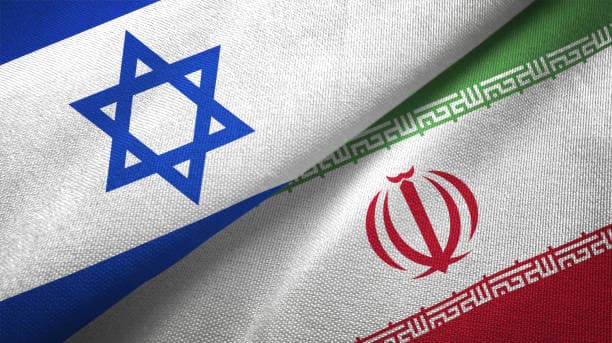
Ongoing tensions from the 2026 Iran war continue to shape prospects for any permanent peace agreement between Israel and Iran. Following U.S.-Israeli strikes that began in late February and killed Supreme Leader Ali Khamenei, the parties accepted a Pakistan-mediated ceasefire in early April that included commitments to reopen the Strait of Hormuz and pursue further talks. Recent weeks have seen Iran reject U.S. proposals on nuclear limits and sanctions relief, while issuing warnings of new military responses if the truce collapses, alongside U.S. naval pressure and Israeli statements on possible regime change. These diplomatic standoffs and unresolved issues over shipping access and security guarantees remain the dominant factors influencing trader assessments of a lasting bilateral deal.
Polymarket डेटा का संदर्भ देने वाला प्रयोगात्मक AI-जनरेटेड सारांश। यह ट्रेडिंग सलाह नहीं है और इस बाज़ार के समाधान में कोई भूमिका नहीं निभाता। · अपडेट किया गयाIsrael x Iran permanent peace deal by...?
Israel x Iran permanent peace deal by...?
$936,906 वॉल्यूम
May 31
3%
30 जून
13%
$936,906 वॉल्यूम
May 31
3%
30 जून
13%
A permanent peace deal refers to any agreement which explicitly indicates that military hostilities between Israel and Iran have ended or will permanently cease, or uses equivalent language clearly signaling a lasting end to military hostilities between Israel and Iran. Agreements that are explicitly temporary or which do not include a definitive agreement to end military hostilities between Israel and Iran on a lasting basis (e.g. a temporary extension of a previously announced ceasefire agreement), will not qualify.
A qualifying agreement will be considered to have been established if either of the following conditions are met:
- Israel and Iran each sign or formally adopt a written agreement (e.g. a treaty or multi-point agreement) which meets the above criteria.
- Both Israel and Iran provide clear public confirmation that a qualifying agreement has been definitively established. Negotiations, statements of progress, or other statements which do not constitute a definitive announcement that a qualifying agreement has been reached will not count.
The inclusion of Israel and Iran in a qualifying peace deal between multiple parties will qualify.
The primary resolution source for this market will be official information from the governments of Israel and Iran; however, a consensus of credible reporting may also be used.
बाज़ार खुला: Apr 16, 2026, 7:49 PM ET
Resolver
0x65070BE91...A permanent peace deal refers to any agreement which explicitly indicates that military hostilities between Israel and Iran have ended or will permanently cease, or uses equivalent language clearly signaling a lasting end to military hostilities between Israel and Iran. Agreements that are explicitly temporary or which do not include a definitive agreement to end military hostilities between Israel and Iran on a lasting basis (e.g. a temporary extension of a previously announced ceasefire agreement), will not qualify.
A qualifying agreement will be considered to have been established if either of the following conditions are met:
- Israel and Iran each sign or formally adopt a written agreement (e.g. a treaty or multi-point agreement) which meets the above criteria.
- Both Israel and Iran provide clear public confirmation that a qualifying agreement has been definitively established. Negotiations, statements of progress, or other statements which do not constitute a definitive announcement that a qualifying agreement has been reached will not count.
The inclusion of Israel and Iran in a qualifying peace deal between multiple parties will qualify.
The primary resolution source for this market will be official information from the governments of Israel and Iran; however, a consensus of credible reporting may also be used.
Resolver
0x65070BE91...Ongoing tensions from the 2026 Iran war continue to shape prospects for any permanent peace agreement between Israel and Iran. Following U.S.-Israeli strikes that began in late February and killed Supreme Leader Ali Khamenei, the parties accepted a Pakistan-mediated ceasefire in early April that included commitments to reopen the Strait of Hormuz and pursue further talks. Recent weeks have seen Iran reject U.S. proposals on nuclear limits and sanctions relief, while issuing warnings of new military responses if the truce collapses, alongside U.S. naval pressure and Israeli statements on possible regime change. These diplomatic standoffs and unresolved issues over shipping access and security guarantees remain the dominant factors influencing trader assessments of a lasting bilateral deal.
Polymarket डेटा का संदर्भ देने वाला प्रयोगात्मक AI-जनरेटेड सारांश। यह ट्रेडिंग सलाह नहीं है और इस बाज़ार के समाधान में कोई भूमिका नहीं निभाता। · अपडेट किया गया
बाहरी लिंक से सावधान रहें।
बाहरी लिंक से सावधान रहें।
अक्सर पूछे जाने वाले प्रश्न