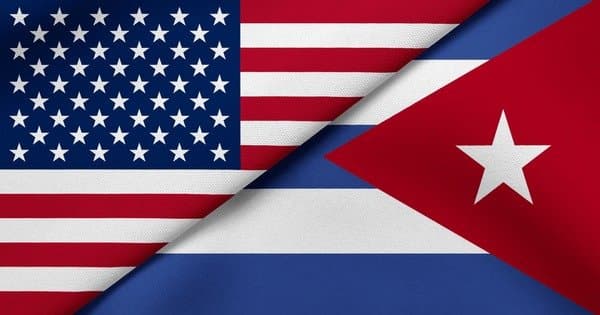
Tensions between the United States and Cuba have risen in 2026 through a U.S. fuel blockade, sanctions, executive orders declaring a national emergency, and an indictment of former Cuban leader Raúl Castro, accompanied by presidential statements on potential intervention and naval deployments in the Caribbean. Despite these steps and stalled bilateral talks through mid-year, U.S. policy has emphasized economic pressure, prisoner releases by Havana, and surveillance rather than direct military engagement. Ongoing diplomatic channels, the high costs of any operation, competing foreign policy priorities, and absence of triggering incidents since the blockade began support trader consensus reflected in the 79% probability assigned to no clash occurring before year-end.
Riepilogo sperimentale generato dall'AI con riferimento ai dati di Polymarket. Questo non è un consiglio di trading e non ha alcun ruolo nella risoluzione di questo mercato. · AggiornatoScontro militare USA-Cuba nel 2026?
Scontro militare USA-Cuba nel 2026?
$239,123 Vol.
$239,123 Vol.
$239,123 Vol.
$239,123 Vol.
A "military encounter" is defined as any incident involving the use of force such as missile strikes, artillery fire, exchange of gunfire, or other forms of direct military engagement between US and Cuban military forces. Non-violent actions, such as warning shots, artillery fire into uninhabited areas, or missile launches that land in territorial waters or pass through airspace, will not qualify for a "Yes" resolution. Intentional ship ramming that results in significant damage to (e.g., a hole in the hull) or the sinking of a military ship by another will count toward a "Yes" resolution, however minor damage (scrapes, dents) will not.
Note: the United States Coast Guard is considered part of the United States military, and the Cuban Border Guard is considered part of the Cuban military.
The resolution source for this market will be a consensus of credible reporting.
Mercato aperto: Feb 25, 2026, 7:31 PM ET
Resolver
0x65070BE91...A "military encounter" is defined as any incident involving the use of force such as missile strikes, artillery fire, exchange of gunfire, or other forms of direct military engagement between US and Cuban military forces. Non-violent actions, such as warning shots, artillery fire into uninhabited areas, or missile launches that land in territorial waters or pass through airspace, will not qualify for a "Yes" resolution. Intentional ship ramming that results in significant damage to (e.g., a hole in the hull) or the sinking of a military ship by another will count toward a "Yes" resolution, however minor damage (scrapes, dents) will not.
Note: the United States Coast Guard is considered part of the United States military, and the Cuban Border Guard is considered part of the Cuban military.
The resolution source for this market will be a consensus of credible reporting.
Resolver
0x65070BE91...Tensions between the United States and Cuba have risen in 2026 through a U.S. fuel blockade, sanctions, executive orders declaring a national emergency, and an indictment of former Cuban leader Raúl Castro, accompanied by presidential statements on potential intervention and naval deployments in the Caribbean. Despite these steps and stalled bilateral talks through mid-year, U.S. policy has emphasized economic pressure, prisoner releases by Havana, and surveillance rather than direct military engagement. Ongoing diplomatic channels, the high costs of any operation, competing foreign policy priorities, and absence of triggering incidents since the blockade began support trader consensus reflected in the 79% probability assigned to no clash occurring before year-end.
Riepilogo sperimentale generato dall'AI con riferimento ai dati di Polymarket. Questo non è un consiglio di trading e non ha alcun ruolo nella risoluzione di questo mercato. · Aggiornato


Fai attenzione ai link esterni.
Fai attenzione ai link esterni.
Domande frequenti