
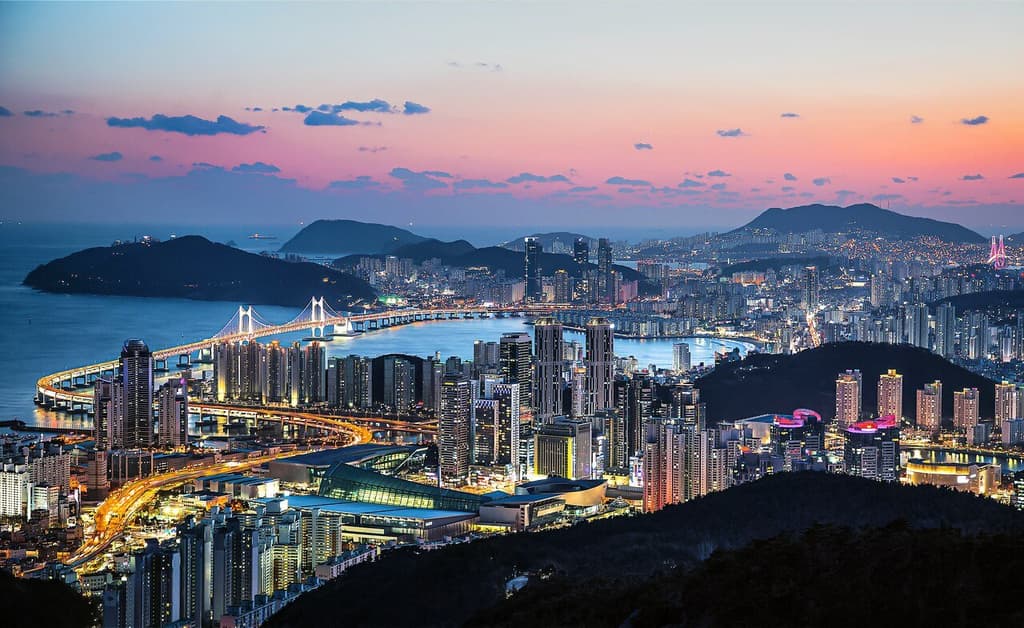
Current forecast models from agencies like the Korea Meteorological Administration point to a minimum temperature in Busan on September 4 near 24–25°C, driven by persistent northeasterly winds of 15–25 km/h that limit overnight radiational cooling under partly cloudy skies and elevated humidity near 65–75%. These conditions, typical of early September transition from summer monsoon patterns, keep the diurnal range narrow with highs around 27–28°C. Trader consensus clusters tightly on 23–24°C outcomes because official station readings (often at Gimhae or central Busan sites) can vary by 1–2°C depending on exact measurement timing and urban heat effects, while historical September lows average near 22°C but current steering patterns favor milder values. Updated model runs tonight will refine the final recorded minimum.
Polymarketデータを参照したAI生成の実験的な要約。これは取引アドバイスではなく、このマーケットの解決方法には一切関係ありません。 · 更新日9月4日の釜山の最低気温は?
9月4日の釜山の最低気温は?
23°C 48%
24°C 47%
21℃ 45%
22℃ 45%
20°C以下
24%
21℃
45%
22℃
45%
23°C
48%
24°C
47%
25℃
45%
26℃
<1%
27℃
<1%
28°C
<1%
29°C
<1%
30℃以上
<1%
23°C 48%
24°C 47%
21℃ 45%
22℃ 45%
20°C以下
24%
21℃
45%
22℃
45%
23°C
48%
24°C
47%
25℃
45%
26℃
<1%
27℃
<1%
28°C
<1%
29°C
<1%
30℃以上
<1%
The resolution source for this market will be information from NOAA, specifically the lowest reading under the "Temp" column for all times on this day, available here: https://www.weather.gov/wrh/timeseries?site=rkpk
If NOAA data for the observation date is unavailable by 11:59 PM ET on the day following the observation date, the Weather Underground Daily Observations table will be used as the resolution source.
In the event that there is no data for the observation date by 11:59 PM ET on the day following the observation date, this market will resolve to the lowest bracket.
To toggle between Fahrenheit and Celsius, click the "Switch to Metric Units" button until the relevant table displays °C.
This market will resolve once the first data point for the following date has been published on the resolution source, or by 11:59 PM ET on the day following the observation date, whichever comes first.
The resolution source for this market measures temperatures to whole degrees Celsius (eg, 9°C). Thus, this is the level of precision that will be used when resolving the market.
Revisions to temperatures recorded within this market's timeframe will be considered until the first datapoint for the following date has been published, after which any alterations will not be considered.
マーケット開始日: Sep 2, 2026, 12:31 AM ET
The resolution source for this market will be information from NOAA, specifically the lowest reading under the "Temp" column for all times on this day, available here: https://www.weather.gov/wrh/timeseries?site=rkpk
If NOAA data for the observation date is unavailable by 11:59 PM ET on the day following the observation date, the Weather Underground Daily Observations table will be used as the resolution source.
In the event that there is no data for the observation date by 11:59 PM ET on the day following the observation date, this market will resolve to the lowest bracket.
To toggle between Fahrenheit and Celsius, click the "Switch to Metric Units" button until the relevant table displays °C.
This market will resolve once the first data point for the following date has been published on the resolution source, or by 11:59 PM ET on the day following the observation date, whichever comes first.
The resolution source for this market measures temperatures to whole degrees Celsius (eg, 9°C). Thus, this is the level of precision that will be used when resolving the market.
Revisions to temperatures recorded within this market's timeframe will be considered until the first datapoint for the following date has been published, after which any alterations will not be considered.
Current forecast models from agencies like the Korea Meteorological Administration point to a minimum temperature in Busan on September 4 near 24–25°C, driven by persistent northeasterly winds of 15–25 km/h that limit overnight radiational cooling under partly cloudy skies and elevated humidity near 65–75%. These conditions, typical of early September transition from summer monsoon patterns, keep the diurnal range narrow with highs around 27–28°C. Trader consensus clusters tightly on 23–24°C outcomes because official station readings (often at Gimhae or central Busan sites) can vary by 1–2°C depending on exact measurement timing and urban heat effects, while historical September lows average near 22°C but current steering patterns favor milder values. Updated model runs tonight will refine the final recorded minimum.
Polymarketデータを参照したAI生成の実験的な要約。これは取引アドバイスではなく、このマーケットの解決方法には一切関係ありません。 · 更新日
外部リンクに注意してください。
外部リンクに注意してください。
よくある質問