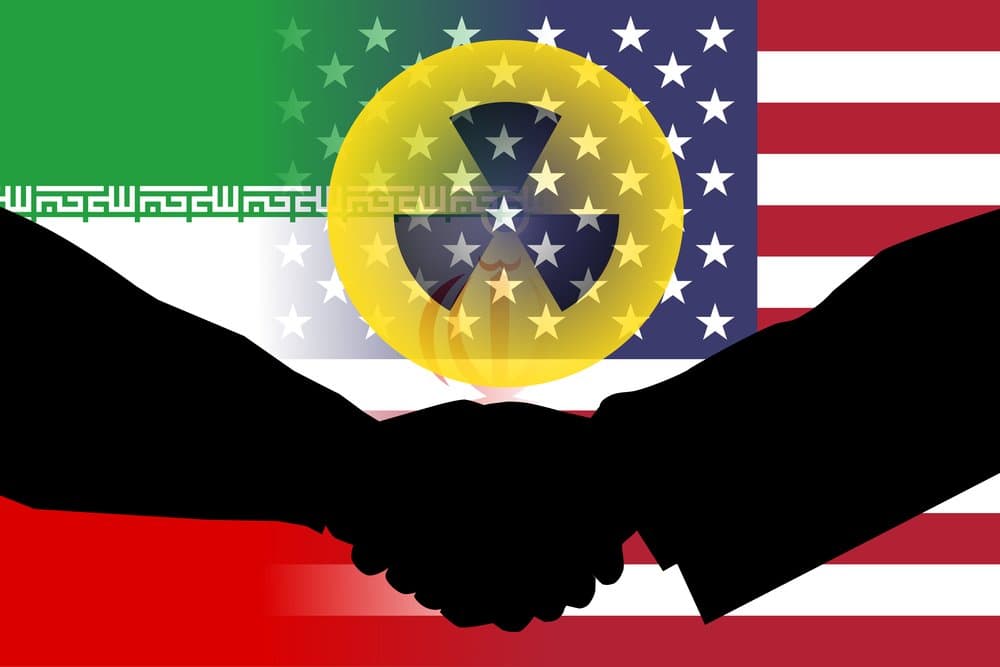
US-Iran talks center on a June 2026 memorandum of understanding that ended active hostilities, reopened the Strait of Hormuz under interim arrangements, and launched a 60-day window for a final agreement covering sanctions relief on Iranian oil exports alongside verifiable nuclear constraints. Iran has committed to IAEA inspector access and dilution of its highly enriched uranium stockpile, while negotiators address remaining enrichment limits and verification mechanisms. As of mid-August, positions have hardened over Hormuz administration and implementation details, with US demands for further edits and renewed maritime incidents prompting temporary blockade measures. Pakistan and Qatar have mediated rounds of technical talks, and any comprehensive pact must still resolve missile programs and proxy activities before formal signing. Trader focus tracks progress on these linked issues ahead of the extended negotiation timeline.
Resumo experimental gerado por IA com dados do Polymarket. Isto não é aconselhamento de trading e não tem qualquer papel na resolução deste mercado. · AtualizadoO que será de um acordo EUA-Irã em 2026?
O que será de um acordo EUA-Irã em 2026?
$585,861 Vol.

Financiamento para a Reconstrução do Irã
26%
Limite percentual de enriquecimento de urânio (acima de 1 ano)
17%
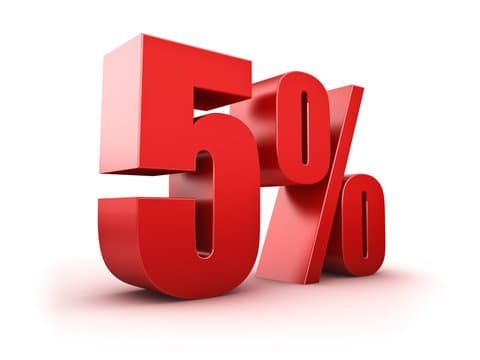
Limite de enriquecimento de urânio de ≤5% (1+ ano)
16%
Diluição do urânio do Irã
14%
Moratória de Enriquecimento de Mais de 1 Ano
12%
Rendição do Urânio Enriquecido
11%
$585,861 Vol.
Financiamento para a Reconstrução do Irã
26%
Limite percentual de enriquecimento de urânio (acima de 1 ano)
17%
Limite de enriquecimento de urânio de ≤5% (1+ ano)
16%
Diluição do urânio do Irã
14%
Moratória de Enriquecimento de Mais de 1 Ano
12%
Rendição do Urânio Enriquecido
11%
The instrument must specifically include a percentage cap that operates as a general ceiling on the level to which Iran may enrich uranium for any purpose. Vague, or non-specific language regarding the level of Iranian uranium enrichment which does not establish a specific percentage-cap ceiling on all Iranian enrichment (e.g., “lower levels”, “civilian grade”, “maintain the status quo”) will not qualify. Caps that directly mandate a specific percentage cap on enrichment through reference to a publicly-recognized benchmark percentage (e.g., JCPOA-levels), however, will qualify, even if they do not specifically reference the relevant numeric percentage itself. An Iranian commitment to end all enrichment of uranium qualifies as a cap, as it establishes a 0% cap on Iranian uranium enrichment.
A qualifying enrichment cap must be committed for a period of at least one year. A permanent enrichment cap will qualify. An enrichment cap with no specified end date will qualify unless explicitly framed as short-term, provisional, or temporary (e.g., a commitment not to enrich uranium while the exact implementation terms of the instrument are being finalized would not qualify). A cap committed to for less than one year will not qualify, even if framed as permitting extension.
The enrichment cap must be expressed as a presently-agreed obligation to be implemented. A presently-agreed obligation to such an enrichment cap will qualify, even if technical or procedural details, including the implementation schedule or specific monitoring requirements, remain subject to future arrangements. A conditional commitment the substantive obligation of which remains explicitly subject to a future agreement, negotiation process, or mutually agreed follow-on instrument (e.g., a commitment to agree upon an enrichment cap in a future agreement) will not qualify. A commitment explicitly framed as a minimum requirement for a future negotiation, rather than a present obligation, will not qualify.
Unless the written instrument is formally adopted without signature as described below, the instrument must be signed by both the United States and Iran. Both parties must either sign the same document or sign individual documents that substantively and directly indicate acceptance of the same underlying instrument, regardless of minor formatting, wording, or translation differences between the signed versions. Both physical signatures and officially-issued electronic signatures will qualify as signatures.
If the written instrument is recognized by the United States and Iran as not requiring signature for execution, formal adoption of the instrument by both countries without signature will qualify. Formal adoption may be established by official actions, including:
(i) an official joint statement announcing that the United States and Iran have adopted, approved, executed, concluded, or otherwise finalized the instrument;
(ii) mutual official confirmation that the same published instrument has been agreed to, adopted, approved, executed, or concluded by both countries;
(iii) adoption, approval, or endorsement through an official resolution, ministerial decision, executive decision, or equivalent institutional act, where that act is the mechanism by which the relevant country adopts the instrument; or
(iv) an exchange of official diplomatic notes or letters confirming acceptance of the same instrument.
Whether an instrument qualifies will be primarily determined by its officially released text. A qualifying instrument must be signed or formally adopted by both the United States and Iran by the specified date, 11:59 PM ET. If an instrument is signed or formally adopted by that time, but the complete text has not been released, and genuine material ambiguity remains as to whether it satisfies this market’s requirements, this market may remain open for up to 28 calendar days after the specified date pending release of the text. If the text has still not been released after 28 calendar days, official and definitive announcements from the United States or Iran, and a consensus of credible reporting, will be used to determine whether the instrument qualifies.
An instrument to which parties other than the United States and Iran are also party will qualify, provided that both the United States and Iran are parties to the instrument and all other requirements are satisfied.
Once a diplomatic instrument has been signed or formally adopted without signature by both the United States and Iran and confirmed to satisfy the requirements of a qualifying written diplomatic instrument, this market’s condition is met, regardless of whether the instrument later enters into force, is ratified, receives legislative or treaty consent, or is subsequently repudiated, withdrawn from, or not implemented by the United States or Iran.
The primary resolution sources for this market will be official communications from the governments of the United States and Iran, or their authorized representatives. A consensus of credible reporting from major news agencies of record may also be used.
Mercado Aberto: Jun 24, 2026, 11:17 AM ET
Resolver
0x65070BE91...The instrument must specifically include a percentage cap that operates as a general ceiling on the level to which Iran may enrich uranium for any purpose. Vague, or non-specific language regarding the level of Iranian uranium enrichment which does not establish a specific percentage-cap ceiling on all Iranian enrichment (e.g., “lower levels”, “civilian grade”, “maintain the status quo”) will not qualify. Caps that directly mandate a specific percentage cap on enrichment through reference to a publicly-recognized benchmark percentage (e.g., JCPOA-levels), however, will qualify, even if they do not specifically reference the relevant numeric percentage itself. An Iranian commitment to end all enrichment of uranium qualifies as a cap, as it establishes a 0% cap on Iranian uranium enrichment.
A qualifying enrichment cap must be committed for a period of at least one year. A permanent enrichment cap will qualify. An enrichment cap with no specified end date will qualify unless explicitly framed as short-term, provisional, or temporary (e.g., a commitment not to enrich uranium while the exact implementation terms of the instrument are being finalized would not qualify). A cap committed to for less than one year will not qualify, even if framed as permitting extension.
The enrichment cap must be expressed as a presently-agreed obligation to be implemented. A presently-agreed obligation to such an enrichment cap will qualify, even if technical or procedural details, including the implementation schedule or specific monitoring requirements, remain subject to future arrangements. A conditional commitment the substantive obligation of which remains explicitly subject to a future agreement, negotiation process, or mutually agreed follow-on instrument (e.g., a commitment to agree upon an enrichment cap in a future agreement) will not qualify. A commitment explicitly framed as a minimum requirement for a future negotiation, rather than a present obligation, will not qualify.
Unless the written instrument is formally adopted without signature as described below, the instrument must be signed by both the United States and Iran. Both parties must either sign the same document or sign individual documents that substantively and directly indicate acceptance of the same underlying instrument, regardless of minor formatting, wording, or translation differences between the signed versions. Both physical signatures and officially-issued electronic signatures will qualify as signatures.
If the written instrument is recognized by the United States and Iran as not requiring signature for execution, formal adoption of the instrument by both countries without signature will qualify. Formal adoption may be established by official actions, including:
(i) an official joint statement announcing that the United States and Iran have adopted, approved, executed, concluded, or otherwise finalized the instrument;
(ii) mutual official confirmation that the same published instrument has been agreed to, adopted, approved, executed, or concluded by both countries;
(iii) adoption, approval, or endorsement through an official resolution, ministerial decision, executive decision, or equivalent institutional act, where that act is the mechanism by which the relevant country adopts the instrument; or
(iv) an exchange of official diplomatic notes or letters confirming acceptance of the same instrument.
Whether an instrument qualifies will be primarily determined by its officially released text. A qualifying instrument must be signed or formally adopted by both the United States and Iran by the specified date, 11:59 PM ET. If an instrument is signed or formally adopted by that time, but the complete text has not been released, and genuine material ambiguity remains as to whether it satisfies this market’s requirements, this market may remain open for up to 28 calendar days after the specified date pending release of the text. If the text has still not been released after 28 calendar days, official and definitive announcements from the United States or Iran, and a consensus of credible reporting, will be used to determine whether the instrument qualifies.
An instrument to which parties other than the United States and Iran are also party will qualify, provided that both the United States and Iran are parties to the instrument and all other requirements are satisfied.
Once a diplomatic instrument has been signed or formally adopted without signature by both the United States and Iran and confirmed to satisfy the requirements of a qualifying written diplomatic instrument, this market’s condition is met, regardless of whether the instrument later enters into force, is ratified, receives legislative or treaty consent, or is subsequently repudiated, withdrawn from, or not implemented by the United States or Iran.
The primary resolution sources for this market will be official communications from the governments of the United States and Iran, or their authorized representatives. A consensus of credible reporting from major news agencies of record may also be used.
Resolver
0x65070BE91...US-Iran talks center on a June 2026 memorandum of understanding that ended active hostilities, reopened the Strait of Hormuz under interim arrangements, and launched a 60-day window for a final agreement covering sanctions relief on Iranian oil exports alongside verifiable nuclear constraints. Iran has committed to IAEA inspector access and dilution of its highly enriched uranium stockpile, while negotiators address remaining enrichment limits and verification mechanisms. As of mid-August, positions have hardened over Hormuz administration and implementation details, with US demands for further edits and renewed maritime incidents prompting temporary blockade measures. Pakistan and Qatar have mediated rounds of technical talks, and any comprehensive pact must still resolve missile programs and proxy activities before formal signing. Trader focus tracks progress on these linked issues ahead of the extended negotiation timeline.
Resumo experimental gerado por IA com dados do Polymarket. Isto não é aconselhamento de trading e não tem qualquer papel na resolução deste mercado. · Atualizado


Cuidado com os links externos.
Cuidado com os links externos.
Frequently Asked Questions