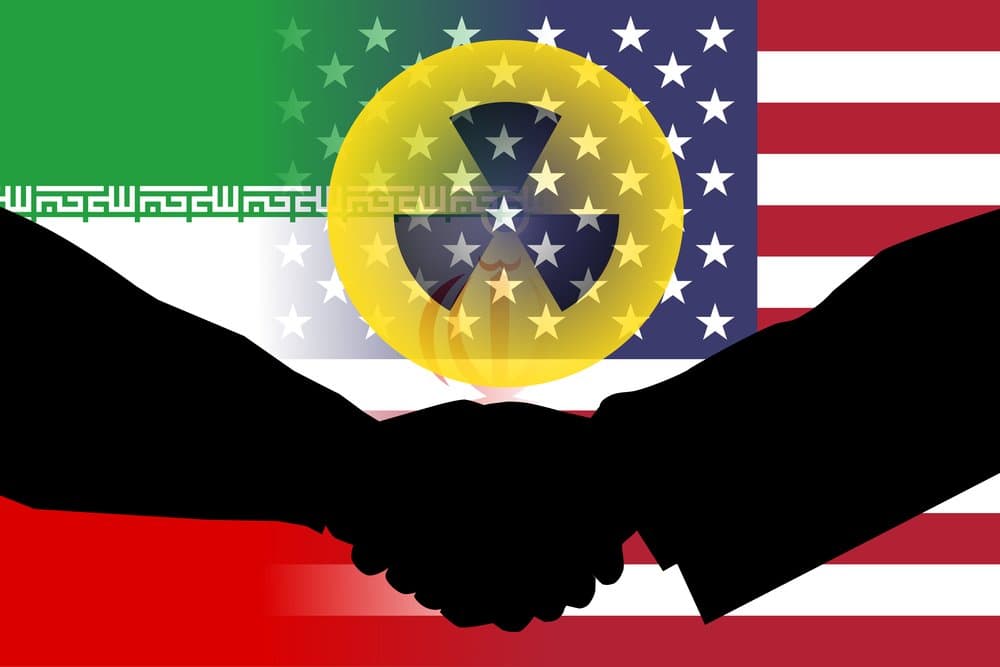
US-Iran negotiations remain stalled following the June 2026 memorandum of understanding that established a 60-day window for technical talks on a final agreement. The MOU addressed an immediate ceasefire across fronts including Lebanon, reopening of the Strait of Hormuz to commercial shipping, resumption of IAEA nuclear inspections, and commitments to address Iran's nuclear program and sanctions relief in subsequent discussions. As of mid-August, indirect talks in locations such as Switzerland and Doha have produced limited progress amid disagreements over uranium stockpile management, enrichment limits, asset unfreezing, and sanctions removal timelines. Primary drivers of trader sentiment include the status of any extension or breakdown in the process, potential involvement of regional mediators, and scheduled diplomatic steps that could shape the scope of any 2026 accord on nuclear, economic, and security provisions.
基于Polymarket数据的AI实验性摘要。这不是交易建议,也不影响该市场的结算方式。 · 更新于$563,769 交易量

伊朗重建资金
21%
铀浓缩百分比上限(1年以上)
17%
≤5%铀浓缩上限(1年以上)
16%
伊朗铀浓度稀释
14%
超过1年的浓缩活动暂停
12%
浓缩铀交付
11%
$563,769 交易量
伊朗重建资金
21%
铀浓缩百分比上限(1年以上)
17%
≤5%铀浓缩上限(1年以上)
16%
伊朗铀浓度稀释
14%
超过1年的浓缩活动暂停
12%
浓缩铀交付
11%
The moratorium must be for a period of at least one year. A commitment to end enrichment permanently will qualify. A moratorium with no specified end date will qualify unless explicitly framed as short-term, provisional, or temporary (e.g., a commitment not to enrich uranium while the exact implementation details of the instrument are being finalized would not qualify). A moratorium committed to for less than one year will not qualify, even if framed as permitting extension.
The commitment must specifically communicate the suspension or end of all Iranian enrichment of uranium for any purpose. Commitments which do not explicitly reference such a moratorium (e.g., a commitment to “maintain the status quo”), will not qualify. Restrictions on the purity or level to which Iran may enrich uranium, or commitments only to dilute, down-blend, surrender, or eliminate Iran’s uranium stockpile, will not qualify.
The commitment must be expressed as a presently-agreed obligation to be implemented. A presently-agreed obligation to implement such a moratorium will qualify, even if technical or procedural details, including the exact implementation schedule, remain subject to future arrangements (e.g., an unconditional commitment to a qualifying moratorium to be implemented in sequence with already-agreed-upon reciprocal commitments from the United States would qualify). A conditional commitment the substantive obligation of which remains explicitly subject to a future agreement, negotiation process, or mutually agreed follow-on instrument (e.g., a commitment to agree upon a moratorium in a future agreement) will not qualify. A commitment explicitly framed as a minimum requirement for a future negotiation, rather than a present obligation, will not qualify
Unless the written instrument is formally adopted without signature as described below, the instrument must be signed by both the United States and Iran. Both parties must either sign the same document or sign individual documents that substantively and directly indicate acceptance of the same underlying instrument, regardless of minor formatting, wording, or translation differences between the signed versions. Both physical signatures and officially-issued electronic signatures will qualify as signatures.
If the written instrument is recognized by the United States and Iran as not requiring signature for execution, formal adoption of the instrument by both countries without signature will qualify. Formal adoption may be established by official actions, including:
(i) an official joint statement announcing that the United States and Iran have adopted, approved, executed, concluded, or otherwise finalized the instrument;
(ii) mutual official confirmation that the same published instrument has been agreed to, adopted, approved, executed, or concluded by both countries;
(iii) adoption, approval, or endorsement through an official resolution, ministerial decision, executive decision, or equivalent institutional act, where that act is the mechanism by which the relevant country adopts the instrument; or
(iv) an exchange of official diplomatic notes or letters confirming acceptance of the same instrument.
Whether an instrument qualifies will be primarily determined by its officially released text. A qualifying instrument must be signed or formally adopted by both the United States and Iran by the specified date, 11:59 PM ET. If an instrument is signed or formally adopted by that time, but the complete text has not been released, and genuine material ambiguity remains as to whether it satisfies this market’s requirements, this market may remain open for up to 28 calendar days after the specified date pending release of the text. If the text has still not been released after 28 calendar days, official and definitive announcements from the United States or Iran, and a consensus of credible reporting, will be used to determine whether the instrument qualifies.
An instrument to which parties other than the United States and Iran are also party will qualify, provided that both the United States and Iran are parties to the instrument and all other requirements are satisfied.
Once a diplomatic instrument has been signed or formally adopted without signature by both the United States and Iran and confirmed to satisfy the requirements of a qualifying written diplomatic instrument, this market’s condition is met, regardless of whether the instrument later enters into force, is ratified, receives legislative or treaty consent, or is subsequently repudiated, withdrawn from, or not implemented by the United States or Iran.
The primary resolution sources for this market will be official communications from the governments of the United States and Iran, or their authorized representatives. A consensus of credible reporting from major news agencies of record may also be used.
市场开放时间: Jun 24, 2026, 11:17 AM ET
Resolver
0x65070BE91...The moratorium must be for a period of at least one year. A commitment to end enrichment permanently will qualify. A moratorium with no specified end date will qualify unless explicitly framed as short-term, provisional, or temporary (e.g., a commitment not to enrich uranium while the exact implementation details of the instrument are being finalized would not qualify). A moratorium committed to for less than one year will not qualify, even if framed as permitting extension.
The commitment must specifically communicate the suspension or end of all Iranian enrichment of uranium for any purpose. Commitments which do not explicitly reference such a moratorium (e.g., a commitment to “maintain the status quo”), will not qualify. Restrictions on the purity or level to which Iran may enrich uranium, or commitments only to dilute, down-blend, surrender, or eliminate Iran’s uranium stockpile, will not qualify.
The commitment must be expressed as a presently-agreed obligation to be implemented. A presently-agreed obligation to implement such a moratorium will qualify, even if technical or procedural details, including the exact implementation schedule, remain subject to future arrangements (e.g., an unconditional commitment to a qualifying moratorium to be implemented in sequence with already-agreed-upon reciprocal commitments from the United States would qualify). A conditional commitment the substantive obligation of which remains explicitly subject to a future agreement, negotiation process, or mutually agreed follow-on instrument (e.g., a commitment to agree upon a moratorium in a future agreement) will not qualify. A commitment explicitly framed as a minimum requirement for a future negotiation, rather than a present obligation, will not qualify
Unless the written instrument is formally adopted without signature as described below, the instrument must be signed by both the United States and Iran. Both parties must either sign the same document or sign individual documents that substantively and directly indicate acceptance of the same underlying instrument, regardless of minor formatting, wording, or translation differences between the signed versions. Both physical signatures and officially-issued electronic signatures will qualify as signatures.
If the written instrument is recognized by the United States and Iran as not requiring signature for execution, formal adoption of the instrument by both countries without signature will qualify. Formal adoption may be established by official actions, including:
(i) an official joint statement announcing that the United States and Iran have adopted, approved, executed, concluded, or otherwise finalized the instrument;
(ii) mutual official confirmation that the same published instrument has been agreed to, adopted, approved, executed, or concluded by both countries;
(iii) adoption, approval, or endorsement through an official resolution, ministerial decision, executive decision, or equivalent institutional act, where that act is the mechanism by which the relevant country adopts the instrument; or
(iv) an exchange of official diplomatic notes or letters confirming acceptance of the same instrument.
Whether an instrument qualifies will be primarily determined by its officially released text. A qualifying instrument must be signed or formally adopted by both the United States and Iran by the specified date, 11:59 PM ET. If an instrument is signed or formally adopted by that time, but the complete text has not been released, and genuine material ambiguity remains as to whether it satisfies this market’s requirements, this market may remain open for up to 28 calendar days after the specified date pending release of the text. If the text has still not been released after 28 calendar days, official and definitive announcements from the United States or Iran, and a consensus of credible reporting, will be used to determine whether the instrument qualifies.
An instrument to which parties other than the United States and Iran are also party will qualify, provided that both the United States and Iran are parties to the instrument and all other requirements are satisfied.
Once a diplomatic instrument has been signed or formally adopted without signature by both the United States and Iran and confirmed to satisfy the requirements of a qualifying written diplomatic instrument, this market’s condition is met, regardless of whether the instrument later enters into force, is ratified, receives legislative or treaty consent, or is subsequently repudiated, withdrawn from, or not implemented by the United States or Iran.
The primary resolution sources for this market will be official communications from the governments of the United States and Iran, or their authorized representatives. A consensus of credible reporting from major news agencies of record may also be used.
Resolver
0x65070BE91...US-Iran negotiations remain stalled following the June 2026 memorandum of understanding that established a 60-day window for technical talks on a final agreement. The MOU addressed an immediate ceasefire across fronts including Lebanon, reopening of the Strait of Hormuz to commercial shipping, resumption of IAEA nuclear inspections, and commitments to address Iran's nuclear program and sanctions relief in subsequent discussions. As of mid-August, indirect talks in locations such as Switzerland and Doha have produced limited progress amid disagreements over uranium stockpile management, enrichment limits, asset unfreezing, and sanctions removal timelines. Primary drivers of trader sentiment include the status of any extension or breakdown in the process, potential involvement of regional mediators, and scheduled diplomatic steps that could shape the scope of any 2026 accord on nuclear, economic, and security provisions.
基于Polymarket数据的AI实验性摘要。这不是交易建议,也不影响该市场的结算方式。 · 更新于
警惕外部链接哦。
警惕外部链接哦。
常见问题