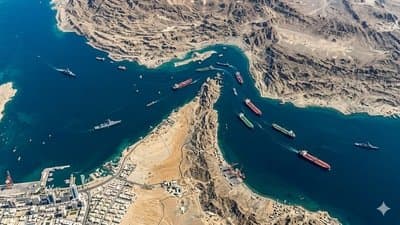
Recent U.S.-Iran negotiations and a June 2026 memorandum of understanding have introduced a 60-day period of charge-free transit through the Strait of Hormuz while demining occurs, following earlier 2026 conflict that included Iranian closure declarations and shipping attacks. Iran’s foreign ministry has stated it will not impose transit tolls but will levy fees for services such as navigation and environmental protection once the grace period ends around mid-August, consistent with the Persian Gulf Strait Authority established in May. U.S. officials, including President Trump, have rejected any tolls or fees as setting a dangerous precedent under international maritime law. Key variables for traders include whether the deal holds, enforcement of Iranian permitting requirements, and potential escalations or additional diplomatic steps before year-end deadlines.
Polymarket ডেটা রেফারেন্স করে পরীক্ষামূলক AI-জেনারেটেড সারাংশ। এটি ট্রেডিং পরামর্শ নয় এবং এই মার্কেট কীভাবে রেজলভ হয় তাতে কোনো ভূমিকা রাখে না। · আপডেটেডIran links peace talks with US to control over Strait of Hormuz and plans to impose shipping fees after grace period
August 31 rises to 51%2%
Iranian sources revealed that Iran seeks international recognition of its control over the Strait of Hormuz and plans to impose shipping fees after the 60-day fee-free transit period ends, signaling official intent to begin fee collection around mid-August, which influenced market expectations for fees by August 31.
Iran and Oman advance plans for joint Strait of Hormuz transit fees despite US objections
October 31 jumps to 62%7%
Iran and Oman reportedly submitted a proposal to the US and Western allies to introduce service fees for vessels transiting the Strait of Hormuz, with Iran insisting on mandatory fees and Oman proposing voluntary fees. This development heightened market uncertainty and influenced price movements for fees expected by October and December 2026.
বাহ্যিক লিংক থেকে সাবধান।
বাহ্যিক লিংক থেকে সাবধান।
সচরাচর জিজ্ঞাসা