
icon for 0 Schiffe durchfahren Hormuz zu einem beliebigen Zeitpunkt bis zum..?

0 Schiffe durchfahren Hormuz zu einem beliebigen Zeitpunkt bis zum..?

icon for 0 Schiffe durchfahren Hormuz zu einem beliebigen Zeitpunkt bis zum..?

0 Schiffe durchfahren Hormuz zu einem beliebigen Zeitpunkt bis zum..?

$734,042 Vol.

31. Aug. 2026
Polymarket

$734,042 Vol.

Polymarket

August 31

$72,860 Vol.

51%

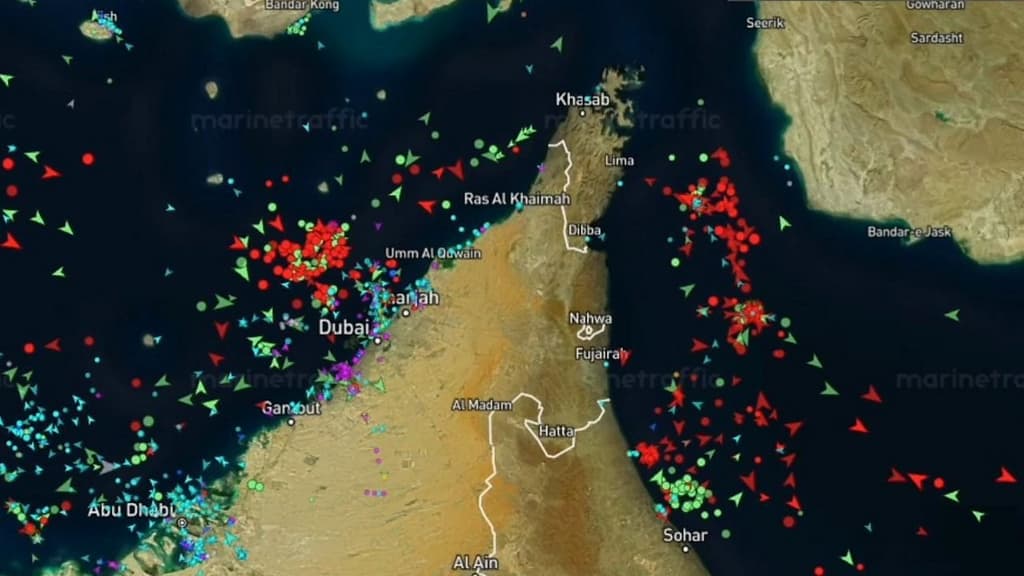
This market will resolve to “Yes” if IMF PortWatch publishes a daily number of transit calls (“Arrivals of Ships”) for the Strait of Hormuz equal to 0 for any date between market creation and the specified date, 2026. Otherwise, this market will resolve to “No." Transit calls include container, dry bulk, roll-on/roll-off, general cargo, and tanker ships. Ships not reported by IMF PortWatch will not be considered. This market will resolve as soon as IMF PortWatch publishes a daily number of transit calls equal to 0, or once complete data has been published for the specified period without such a publication. If complete data for the specified period has not been published within 28 calendar days of the end of the specified period, this market will resolve based on data published up to that point. In case of obvious data integrity issues (i.e., erroneous data), the market may remain open until the end of the third calendar day (ET) after the date on which such data is first released to allow for corrections. Data integrity issues refer only to clerical or other similar errors in the underlying data, and do not include cases where IMF PortWatch differs from alternative sources. Revisions to previously published data points made within this market’s timeframe will be considered. However, they will not disqualify a previously published data point from qualifying except in the case of data integrity issues. The resolution source for this market will be IMF PortWatch, specifically the transit calls data published for the Strait of Hormuz at https://portwatch.imf.org/pages/cb5856222a5b4105adc6ee7e880a1730, both in the chart and through downloadable files.This market will resolve to “Yes” if IMF PortWatch publishes a daily number of transit calls (“Arrivals of Ships”) for the Strait of Hormuz equal to 0 for any date between June 26 and the specified date, 2026. Otherwise, this market will resolve to “No." Transit calls include container, dry bulk, roll-on/roll-off, general cargo, and tanker ships. Ships not reported by IMF PortWatch will not be considered. This market will resolve as soon as IMF PortWatch publishes a daily number of transit calls equal to 0, or once complete data has been published for the specified period without such a publication. If complete data for the specified period has not been published within 28 calendar days of the end of the specified period, this market will resolve based on data published up to that point. In case of obvious data integrity issues (i.e., erroneous data), the market may remain open until the end of the third calendar day (ET) after the date on which such data is first released to allow for corrections. Data integrity issues refer only to clerical or other similar errors in the underlying data, and do not include cases where IMF PortWatch differs from alternative sources. Revisions to previously published data points made within this market’s timeframe will be considered. However, they will not disqualify a previously published data point from qualifying except in the case of data integrity issues. The resolution source for this market will be IMF PortWatch, specifically the transit calls data published for the Strait of Hormuz at https://portwatch.imf.org/pages/cb5856222a5b4105adc6ee7e880a1730, both in the chart and through downloadable files.Tensions between the United States and Iran, including a naval blockade of Iranian ports and repeated attacks on vessels, have reduced Strait of Hormuz traffic to a small fraction of pre-2026 war levels, with multiple days in August recording fewer than 10 transits amid heightened risks from missiles, drones, and mines. A fragile ceasefire reached in June has expired without renewal as talks stall, prompting further U.S. economic pressure and Iranian warnings about controlling passage lanes near its territory or closing key routes. Recent incidents, such as strikes on ADNOC-linked tankers on August 13, have driven operators to favor limited or AIS-dark routing while insurance costs and security concerns deter broader commercial use. These dynamics, alongside demining operations and competing claims over northern versus southern corridors, shape trader assessments of whether complete daily halts remain possible before any resolution timeline.

This market will resolve to “Yes” if IMF PortWatch publishes a daily number of transit calls (“Arrivals of Ships”) for the Strait of Hormuz equal to 0 for any date between market creation and the specified date, 2026. Otherwise, this market will resolve to “No."

Transit calls include container, dry bulk, roll-on/roll-off, general cargo, and tanker ships. Ships not reported by IMF PortWatch will not be considered.

This market will resolve as soon as IMF PortWatch publishes a daily number of transit calls equal to 0, or once complete data has been published for the specified period without such a publication. If complete data for the specified period has not been published within 28 calendar days of the end of the specified period, this market will resolve based on data published up to that point.

In case of obvious data integrity issues (i.e., erroneous data), the market may remain open until the end of the third calendar day (ET) after the date on which such data is first released to allow for corrections. Data integrity issues refer only to clerical or other similar errors in the underlying data, and do not include cases where IMF PortWatch differs from alternative sources. Revisions to previously published data points made within this market’s timeframe will be considered. However, they will not disqualify a previously published data point from qualifying except in the case of data integrity issues.

The resolution source for this market will be IMF PortWatch, specifically the transit calls data published for the Strait of Hormuz at https://portwatch.imf.org/pages/cb5856222a5b4105adc6ee7e880a1730, both in the chart and through downloadable files.
Volumen
$734,042
Enddatum
31. Juli 2026
Markt eröffnet
Jul 29, 2026, 12:28 PM ET
This market will resolve to “Yes” if IMF PortWatch publishes a daily number of transit calls (“Arrivals of Ships”) for the Strait of Hormuz equal to 0 for any date between market creation and the specified date, 2026. Otherwise, this market will resolve to “No." Transit calls include container, dry bulk, roll-on/roll-off, general cargo, and tanker ships. Ships not reported by IMF PortWatch will not be considered. This market will resolve as soon as IMF PortWatch publishes a daily number of transit calls equal to 0, or once complete data has been published for the specified period without such a publication. If complete data for the specified period has not been published within 28 calendar days of the end of the specified period, this market will resolve based on data published up to that point. In case of obvious data integrity issues (i.e., erroneous data), the market may remain open until the end of the third calendar day (ET) after the date on which such data is first released to allow for corrections. Data integrity issues refer only to clerical or other similar errors in the underlying data, and do not include cases where IMF PortWatch differs from alternative sources. Revisions to previously published data points made within this market’s timeframe will be considered. However, they will not disqualify a previously published data point from qualifying except in the case of data integrity issues. The resolution source for this market will be IMF PortWatch, specifically the transit calls data published for the Strait of Hormuz at https://portwatch.imf.org/pages/cb5856222a5b4105adc6ee7e880a1730, both in the chart and through downloadable files.
This market will resolve to “Yes” if IMF PortWatch publishes a daily number of transit calls (“Arrivals of Ships”) for the Strait of Hormuz equal to 0 for any date between market creation and the specified date, 2026. Otherwise, this market will resolve to “No." Transit calls include container, dry bulk, roll-on/roll-off, general cargo, and tanker ships. Ships not reported by IMF PortWatch will not be considered. This market will resolve as soon as IMF PortWatch publishes a daily number of transit calls equal to 0, or once complete data has been published for the specified period without such a publication. If complete data for the specified period has not been published within 28 calendar days of the end of the specified period, this market will resolve based on data published up to that point. In case of obvious data integrity issues (i.e., erroneous data), the market may remain open until the end of the third calendar day (ET) after the date on which such data is first released to allow for corrections. Data integrity issues refer only to clerical or other similar errors in the underlying data, and do not include cases where IMF PortWatch differs from alternative sources. Revisions to previously published data points made within this market’s timeframe will be considered. However, they will not disqualify a previously published data point from qualifying except in the case of data integrity issues. The resolution source for this market will be IMF PortWatch, specifically the transit calls data published for the Strait of Hormuz at https://portwatch.imf.org/pages/cb5856222a5b4105adc6ee7e880a1730, both in the chart and through downloadable files.This market will resolve to “Yes” if IMF PortWatch publishes a daily number of transit calls (“Arrivals of Ships”) for the Strait of Hormuz equal to 0 for any date between June 26 and the specified date, 2026. Otherwise, this market will resolve to “No." Transit calls include container, dry bulk, roll-on/roll-off, general cargo, and tanker ships. Ships not reported by IMF PortWatch will not be considered. This market will resolve as soon as IMF PortWatch publishes a daily number of transit calls equal to 0, or once complete data has been published for the specified period without such a publication. If complete data for the specified period has not been published within 28 calendar days of the end of the specified period, this market will resolve based on data published up to that point. In case of obvious data integrity issues (i.e., erroneous data), the market may remain open until the end of the third calendar day (ET) after the date on which such data is first released to allow for corrections. Data integrity issues refer only to clerical or other similar errors in the underlying data, and do not include cases where IMF PortWatch differs from alternative sources. Revisions to previously published data points made within this market’s timeframe will be considered. However, they will not disqualify a previously published data point from qualifying except in the case of data integrity issues. The resolution source for this market will be IMF PortWatch, specifically the transit calls data published for the Strait of Hormuz at https://portwatch.imf.org/pages/cb5856222a5b4105adc6ee7e880a1730, both in the chart and through downloadable files.Tensions between the United States and Iran, including a naval blockade of Iranian ports and repeated attacks on vessels, have reduced Strait of Hormuz traffic to a small fraction of pre-2026 war levels, with multiple days in August recording fewer than 10 transits amid heightened risks from missiles, drones, and mines. A fragile ceasefire reached in June has expired without renewal as talks stall, prompting further U.S. economic pressure and Iranian warnings about controlling passage lanes near its territory or closing key routes. Recent incidents, such as strikes on ADNOC-linked tankers on August 13, have driven operators to favor limited or AIS-dark routing while insurance costs and security concerns deter broader commercial use. These dynamics, alongside demining operations and competing claims over northern versus southern corridors, shape trader assessments of whether complete daily halts remain possible before any resolution timeline.

This market will resolve to “Yes” if IMF PortWatch publishes a daily number of transit calls (“Arrivals of Ships”) for the Strait of Hormuz equal to 0 for any date between market creation and the specified date, 2026. Otherwise, this market will resolve to “No."

Transit calls include container, dry bulk, roll-on/roll-off, general cargo, and tanker ships. Ships not reported by IMF PortWatch will not be considered.

This market will resolve as soon as IMF PortWatch publishes a daily number of transit calls equal to 0, or once complete data has been published for the specified period without such a publication. If complete data for the specified period has not been published within 28 calendar days of the end of the specified period, this market will resolve based on data published up to that point.

In case of obvious data integrity issues (i.e., erroneous data), the market may remain open until the end of the third calendar day (ET) after the date on which such data is first released to allow for corrections. Data integrity issues refer only to clerical or other similar errors in the underlying data, and do not include cases where IMF PortWatch differs from alternative sources. Revisions to previously published data points made within this market’s timeframe will be considered. However, they will not disqualify a previously published data point from qualifying except in the case of data integrity issues.

The resolution source for this market will be IMF PortWatch, specifically the transit calls data published for the Strait of Hormuz at https://portwatch.imf.org/pages/cb5856222a5b4105adc6ee7e880a1730, both in the chart and through downloadable files.
Volumen
$734,042
Enddatum
31. Juli 2026
Markt eröffnet
Jul 29, 2026, 12:28 PM ET
This market will resolve to “Yes” if IMF PortWatch publishes a daily number of transit calls (“Arrivals of Ships”) for the Strait of Hormuz equal to 0 for any date between market creation and the specified date, 2026. Otherwise, this market will resolve to “No." Transit calls include container, dry bulk, roll-on/roll-off, general cargo, and tanker ships. Ships not reported by IMF PortWatch will not be considered. This market will resolve as soon as IMF PortWatch publishes a daily number of transit calls equal to 0, or once complete data has been published for the specified period without such a publication. If complete data for the specified period has not been published within 28 calendar days of the end of the specified period, this market will resolve based on data published up to that point. In case of obvious data integrity issues (i.e., erroneous data), the market may remain open until the end of the third calendar day (ET) after the date on which such data is first released to allow for corrections. Data integrity issues refer only to clerical or other similar errors in the underlying data, and do not include cases where IMF PortWatch differs from alternative sources. Revisions to previously published data points made within this market’s timeframe will be considered. However, they will not disqualify a previously published data point from qualifying except in the case of data integrity issues. The resolution source for this market will be IMF PortWatch, specifically the transit calls data published for the Strait of Hormuz at https://portwatch.imf.org/pages/cb5856222a5b4105adc6ee7e880a1730, both in the chart and through downloadable files.

Vorsicht bei externen Links.

Häufig gestellte Fragen

„0 Schiffe durchfahren Hormuz zu einem beliebigen Zeitpunkt bis zum..?" ist ein Prognosemarkt auf Polymarket mit 5 möglichen Ergebnissen, bei dem Händler Anteile auf Basis ihrer Einschätzung kaufen und verkaufen. Das aktuell führende Ergebnis ist „31. Juli" mit 100%, gefolgt von „August 31" mit 51%. Die Preise spiegeln Echtzeit-Wahrscheinlichkeiten der Community wider. Ein Anteilspreis von 100¢ bedeutet, dass der Markt diesem Ergebnis eine Wahrscheinlichkeit von 100% zuweist. Diese Quoten ändern sich laufend, wenn Händler auf neue Entwicklungen reagieren. Anteile am richtigen Ergebnis können bei Marktauflösung für jeweils $1 eingelöst werden.

Stand heute hat „0 Schiffe durchfahren Hormuz zu einem beliebigen Zeitpunkt bis zum..?" ein Gesamthandelsvolumen von $734K generiert, seit der Markt am Jun 26, 2026 gestartet wurde. Dieses Aktivitätsniveau spiegelt starkes Engagement der Polymarket-Community wider und stellt sicher, dass die aktuellen Quoten von einem breiten Pool an Marktteilnehmern geprägt werden. Sie können Live-Preisbewegungen verfolgen und direkt auf dieser Seite auf jedes Ergebnis handeln.

Um auf „0 Schiffe durchfahren Hormuz zu einem beliebigen Zeitpunkt bis zum..?" zu handeln, durchsuchen Sie die 5 verfügbaren Ergebnisse auf dieser Seite. Jedes Ergebnis zeigt einen aktuellen Preis, der die implizierte Wahrscheinlichkeit des Marktes darstellt. Um eine Position einzunehmen, wählen Sie das Ergebnis, das Sie für am wahrscheinlichsten halten, wählen Sie „Ja" um dafür oder „Nein" um dagegen zu handeln, geben Sie Ihren Betrag ein und klicken Sie auf „Handeln". Liegt Ihr gewähltes Ergebnis bei Marktauflösung richtig, zahlen Ihre „Ja"-Anteile jeweils $1 aus. Liegt es falsch, zahlen sie $0. Sie können Ihre Anteile auch jederzeit vor der Auflösung verkaufen.

Der aktuelle Favorit für „0 Schiffe durchfahren Hormuz zu einem beliebigen Zeitpunkt bis zum..?" ist „31. Juli" mit 100%, was bedeutet, dass der Markt diesem Ergebnis eine Wahrscheinlichkeit von 100% zuweist. Das nächstliegende Ergebnis ist „August 31" mit 51%. Diese Quoten werden in Echtzeit aktualisiert, wenn Händler Anteile kaufen und verkaufen. Schauen Sie regelmäßig vorbei oder speichern Sie diese Seite als Lesezeichen.

Die Auflösungsregeln für „0 Schiffe durchfahren Hormuz zu einem beliebigen Zeitpunkt bis zum..?" definieren genau, was passieren muss, damit jedes Ergebnis als Gewinner erklärt wird – einschließlich der offiziellen Datenquellen zur Bestimmung des Ergebnisses. Sie können die vollständigen Auflösungskriterien im Abschnitt „Regeln" auf dieser Seite über den Kommentaren einsehen. Wir empfehlen, die Regeln vor dem Handeln sorgfältig zu lesen, da sie die genauen Bedingungen, Sonderfälle und Quellen festlegen.