
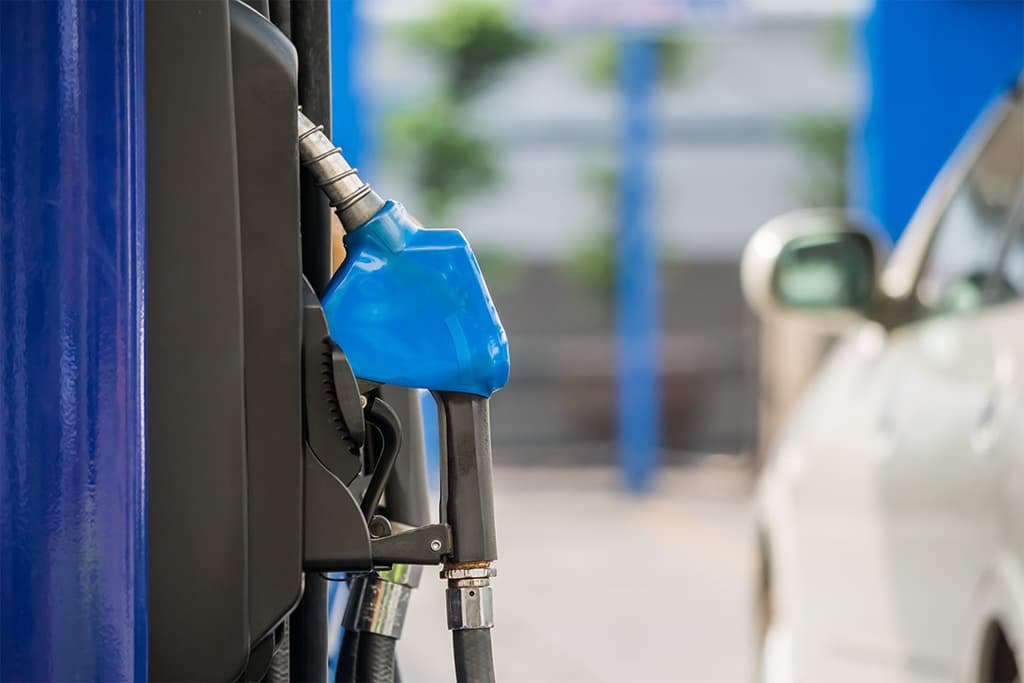
Recent legislative efforts to suspend the 18.4-cent federal gasoline tax (and 24.4-cent diesel tax) have stalled in the Republican-controlled House. A Freedom Caucus push for a floor vote on Rep. Andy Harris’s bill to pause the tax through year-end collapsed on Sept. 16 after Speaker Mike Johnson and Transportation Chairman Sam Graves declined to advance it, citing concerns over Highway Trust Fund revenue. The chamber adjourned until after the November midterms. Elevated pump prices stem from the Iran conflict that began in February, prompting public endorsements from President Trump and several GOP senators, yet Congress has never enacted a federal gas-tax holiday. Any suspension requires new legislation signed by the president.
Résumé expérimental généré par IA à partir des données Polymarket. Ceci n'est pas un conseil de trading et ne joue aucun rôle dans la résolution de ce marché. · Mis à jour$38,118 Vol.
2 nov. 2026
November 2
2%
$38,118 Vol.
November 2
$15,752 Vol.
2%
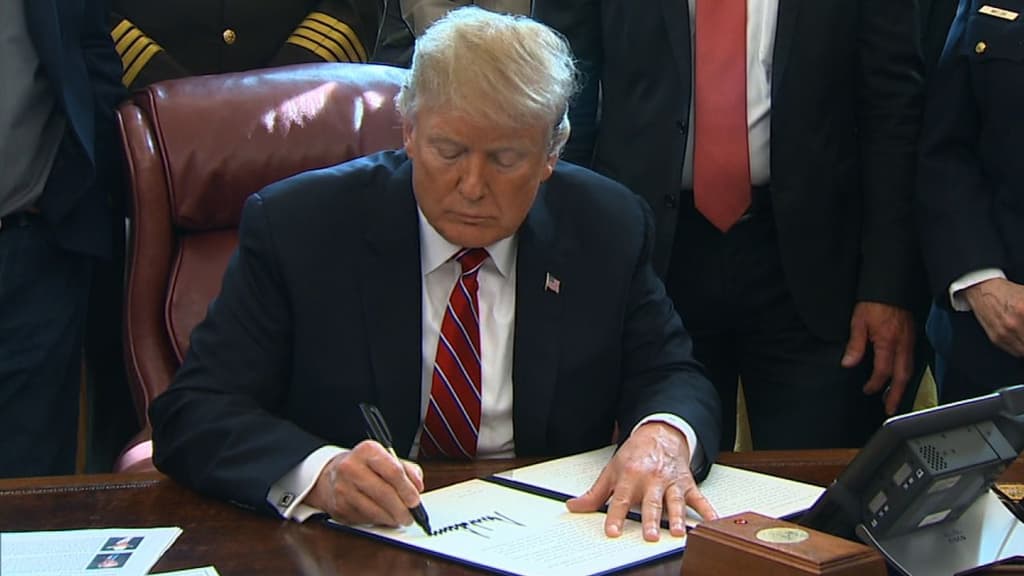
On May 11, 2026, Trump proposed suspending the federal gas tax.
This market will resolve to "Yes" if legislation that would, at least temporarily, suspend the federal excise tax on gasoline is passed by both chambers of the U.S. Congress and signed into law by the specified date (ET). Otherwise, this market will resolve to "No".
Qualifying legislation may include joint resolutions and must pass both the House and the Senate, and must be signed by the President, become law without signature while Congress remains in session, or become law through veto override. Presidential pocket vetoes that expire will not qualify.
The primary resolution sources for this market will be Congress.gov’s legislation tracker (https://www.congress.gov/bill/119th-congress/house-bill/22), the Library of Congress (congress.gov), and other official information from the government of the United States; however, a consensus of credible reporting may also be used.Recent legislative efforts to suspend the 18.4-cent federal gasoline tax (and 24.4-cent diesel tax) have stalled in the Republican-controlled House. A Freedom Caucus push for a floor vote on Rep. Andy Harris’s bill to pause the tax through year-end collapsed on Sept. 16 after Speaker Mike Johnson and Transportation Chairman Sam Graves declined to advance it, citing concerns over Highway Trust Fund revenue. The chamber adjourned until after the November midterms. Elevated pump prices stem from the Iran conflict that began in February, prompting public endorsements from President Trump and several GOP senators, yet Congress has never enacted a federal gas-tax holiday. Any suspension requires new legislation signed by the president.
On May 11, 2026, Trump proposed suspending the federal gas tax.
This market will resolve to "Yes" if legislation that would, at least temporarily, suspend the federal excise tax on gasoline is passed by both chambers of the U.S. Congress and signed into law by the specified date (ET). Otherwise, this market will resolve to "No".
Qualifying legislation may include joint resolutions and must pass both the House and the Senate, and must be signed by the President, become law without signature while Congress remains in session, or become law through veto override. Presidential pocket vetoes that expire will not qualify.
The primary resolution sources for this market will be Congress.gov’s legislation tracker (https://www.congress.gov/bill/119th-congress/house-bill/22), the Library of Congress (congress.gov), and other official information from the government of the United States; however, a consensus of credible reporting may also be used.
This market will resolve to "Yes" if legislation that would, at least temporarily, suspend the federal excise tax on gasoline is passed by both chambers of the U.S. Congress and signed into law by the specified date (ET). Otherwise, this market will resolve to "No".
Qualifying legislation may include joint resolutions and must pass both the House and the Senate, and must be signed by the President, become law without signature while Congress remains in session, or become law through veto override. Presidential pocket vetoes that expire will not qualify.
The primary resolution sources for this market will be Congress.gov’s legislation tracker (https://www.congress.gov/bill/119th-congress/house-bill/22), the Library of Congress (congress.gov), and other official information from the government of the United States; however, a consensus of credible reporting may also be used.
Marché ouvert : May 12, 2026, 1:38 PM ET
Volume
$38,118Date de fin
3 nov. 2026Marché ouvert
May 12, 2026, 1:38 PM ETRésolveur
0x65070BE91...On May 11, 2026, Trump proposed suspending the federal gas tax.
This market will resolve to "Yes" if legislation that would, at least temporarily, suspend the federal excise tax on gasoline is passed by both chambers of the U.S. Congress and signed into law by the specified date (ET). Otherwise, this market will resolve to "No".
Qualifying legislation may include joint resolutions and must pass both the House and the Senate, and must be signed by the President, become law without signature while Congress remains in session, or become law through veto override. Presidential pocket vetoes that expire will not qualify.
The primary resolution sources for this market will be Congress.gov’s legislation tracker (https://www.congress.gov/bill/119th-congress/house-bill/22), the Library of Congress (congress.gov), and other official information from the government of the United States; however, a consensus of credible reporting may also be used.Recent legislative efforts to suspend the 18.4-cent federal gasoline tax (and 24.4-cent diesel tax) have stalled in the Republican-controlled House. A Freedom Caucus push for a floor vote on Rep. Andy Harris’s bill to pause the tax through year-end collapsed on Sept. 16 after Speaker Mike Johnson and Transportation Chairman Sam Graves declined to advance it, citing concerns over Highway Trust Fund revenue. The chamber adjourned until after the November midterms. Elevated pump prices stem from the Iran conflict that began in February, prompting public endorsements from President Trump and several GOP senators, yet Congress has never enacted a federal gas-tax holiday. Any suspension requires new legislation signed by the president.
On May 11, 2026, Trump proposed suspending the federal gas tax.
This market will resolve to "Yes" if legislation that would, at least temporarily, suspend the federal excise tax on gasoline is passed by both chambers of the U.S. Congress and signed into law by the specified date (ET). Otherwise, this market will resolve to "No".
Qualifying legislation may include joint resolutions and must pass both the House and the Senate, and must be signed by the President, become law without signature while Congress remains in session, or become law through veto override. Presidential pocket vetoes that expire will not qualify.
The primary resolution sources for this market will be Congress.gov’s legislation tracker (https://www.congress.gov/bill/119th-congress/house-bill/22), the Library of Congress (congress.gov), and other official information from the government of the United States; however, a consensus of credible reporting may also be used.
This market will resolve to "Yes" if legislation that would, at least temporarily, suspend the federal excise tax on gasoline is passed by both chambers of the U.S. Congress and signed into law by the specified date (ET). Otherwise, this market will resolve to "No".
Qualifying legislation may include joint resolutions and must pass both the House and the Senate, and must be signed by the President, become law without signature while Congress remains in session, or become law through veto override. Presidential pocket vetoes that expire will not qualify.
The primary resolution sources for this market will be Congress.gov’s legislation tracker (https://www.congress.gov/bill/119th-congress/house-bill/22), the Library of Congress (congress.gov), and other official information from the government of the United States; however, a consensus of credible reporting may also be used.
Volume
$38,118Date de fin
3 nov. 2026Marché ouvert
May 12, 2026, 1:38 PM ETRésolveur
0x65070BE91...Recent legislative efforts to suspend the 18.4-cent federal gasoline tax (and 24.4-cent diesel tax) have stalled in the Republican-controlled House. A Freedom Caucus push for a floor vote on Rep. Andy Harris’s bill to pause the tax through year-end collapsed on Sept. 16 after Speaker Mike Johnson and Transportation Chairman Sam Graves declined to advance it, citing concerns over Highway Trust Fund revenue. The chamber adjourned until after the November midterms. Elevated pump prices stem from the Iran conflict that began in February, prompting public endorsements from President Trump and several GOP senators, yet Congress has never enacted a federal gas-tax holiday. Any suspension requires new legislation signed by the president.
Résumé expérimental généré par IA à partir des données Polymarket. Ceci n'est pas un conseil de trading et ne joue aucun rôle dans la résolution de ce marché. · Mis à jour
Méfiez-vous des liens externes.
Méfiez-vous des liens externes.
Questions fréquentes