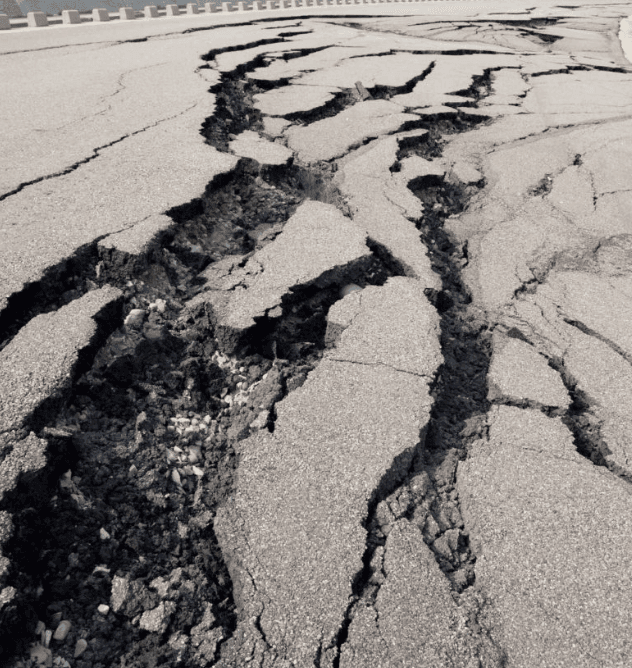
**No major seismic event has occurred in California through mid-August 2026, aligning with USGS records showing only moderate activity such as the June 5.6 quake near Redwood Valley and scattered swarms of magnitude 4+ events.** Long-term UCERF3 models estimate M6.7+ quakes roughly once every six years statewide, with M7+ or larger remaining statistically uncommon in any single calendar year despite the certainty of eventual large ruptures along faults like the San Andreas. Ongoing USGS monitoring reveals no precursors or accelerating strain that would elevate near-term odds, leaving roughly four months for a qualifying event and reinforcing trader consensus around the current 86.1% implied probability for no.
Résumé expérimental généré par IA à partir des données Polymarket. Ceci n'est pas un conseil de trading et ne joue aucun rôle dans la résolution de ce marché. · Mis à jourLa Californie connaîtra-t-elle un séisme de magnitude 7,0 ou plus en 2026 ?
La Californie connaîtra-t-elle un séisme de magnitude 7,0 ou plus en 2026 ?
14% chance
NOUVEAU
NOUVEAU
1 janv. 2027
14% chance
NOUVEAU
NOUVEAU
1 janv. 2027
This market will resolve "Yes" if the United States Geological Survey (USGS) (https://www.usgs.gov/programs/earthquake-hazards/lists-maps-and-statistics) reports at least one earthquake of moment magnitude (Mw) 7.0 or greater with an epicenter located within the state of California by December 31, 2026 at 11:59:59 PM ET. Otherwise, this market will resolve "No".
The state of California includes the entirety of California as recognized under U.S. law including offshore areas within California's territorial boundaries. Earthquakes occurring on the California border must have their USGS-listed epicenter coordinates fall within California's boundaries.
Any individual event meeting the magnitude and location criteria resolves the market "Yes", regardless of whether it is classified as a mainshock, aftershock, or foreshock.
Resolution will be based on the USGS's final reviewed magnitude, not preliminary estimates, regardless of when that review is published, but the qualifying earthquake needs to have occurred within California by December 31, 2026 at 11:59:59 PM ET. This market will resolve based on official information from USGS, however, an overwhelming consensus of credible reporting confirming a qualifying earthquake may also resolve this market in an instance where USGS becomes unavailable. **No major seismic event has occurred in California through mid-August 2026, aligning with USGS records showing only moderate activity such as the June 5.6 quake near Redwood Valley and scattered swarms of magnitude 4+ events.** Long-term UCERF3 models estimate M6.7+ quakes roughly once every six years statewide, with M7+ or larger remaining statistically uncommon in any single calendar year despite the certainty of eventual large ruptures along faults like the San Andreas. Ongoing USGS monitoring reveals no precursors or accelerating strain that would elevate near-term odds, leaving roughly four months for a qualifying event and reinforcing trader consensus around the current 86.1% implied probability for no.
This market will resolve "Yes" if the United States Geological Survey (USGS) (https://www.usgs.gov/programs/earthquake-hazards/lists-maps-and-statistics) reports at least one earthquake of moment magnitude (Mw) 7.0 or greater with an epicenter located within the state of California by December 31, 2026 at 11:59:59 PM ET. Otherwise, this market will resolve "No".
The state of California includes the entirety of California as recognized under U.S. law including offshore areas within California's territorial boundaries. Earthquakes occurring on the California border must have their USGS-listed epicenter coordinates fall within California's boundaries.
Any individual event meeting the magnitude and location criteria resolves the market "Yes", regardless of whether it is classified as a mainshock, aftershock, or foreshock.
Resolution will be based on the USGS's final reviewed magnitude, not preliminary estimates, regardless of when that review is published, but the qualifying earthquake needs to have occurred within California by December 31, 2026 at 11:59:59 PM ET. This market will resolve based on official information from USGS, however, an overwhelming consensus of credible reporting confirming a qualifying earthquake may also resolve this market in an instance where USGS becomes unavailable.
The state of California includes the entirety of California as recognized under U.S. law including offshore areas within California's territorial boundaries. Earthquakes occurring on the California border must have their USGS-listed epicenter coordinates fall within California's boundaries.
Any individual event meeting the magnitude and location criteria resolves the market "Yes", regardless of whether it is classified as a mainshock, aftershock, or foreshock.
Resolution will be based on the USGS's final reviewed magnitude, not preliminary estimates, regardless of when that review is published, but the qualifying earthquake needs to have occurred within California by December 31, 2026 at 11:59:59 PM ET. This market will resolve based on official information from USGS, however, an overwhelming consensus of credible reporting confirming a qualifying earthquake may also resolve this market in an instance where USGS becomes unavailable.
Marché ouvert : Jul 24, 2026, 2:32 PM ET
Volume
$3,806Date de fin
1 janv. 2027Marché ouvert
Jul 24, 2026, 2:32 PM ETResolver
0x65070BE91...This market will resolve "Yes" if the United States Geological Survey (USGS) (https://www.usgs.gov/programs/earthquake-hazards/lists-maps-and-statistics) reports at least one earthquake of moment magnitude (Mw) 7.0 or greater with an epicenter located within the state of California by December 31, 2026 at 11:59:59 PM ET. Otherwise, this market will resolve "No".
The state of California includes the entirety of California as recognized under U.S. law including offshore areas within California's territorial boundaries. Earthquakes occurring on the California border must have their USGS-listed epicenter coordinates fall within California's boundaries.
Any individual event meeting the magnitude and location criteria resolves the market "Yes", regardless of whether it is classified as a mainshock, aftershock, or foreshock.
Resolution will be based on the USGS's final reviewed magnitude, not preliminary estimates, regardless of when that review is published, but the qualifying earthquake needs to have occurred within California by December 31, 2026 at 11:59:59 PM ET. This market will resolve based on official information from USGS, however, an overwhelming consensus of credible reporting confirming a qualifying earthquake may also resolve this market in an instance where USGS becomes unavailable. **No major seismic event has occurred in California through mid-August 2026, aligning with USGS records showing only moderate activity such as the June 5.6 quake near Redwood Valley and scattered swarms of magnitude 4+ events.** Long-term UCERF3 models estimate M6.7+ quakes roughly once every six years statewide, with M7+ or larger remaining statistically uncommon in any single calendar year despite the certainty of eventual large ruptures along faults like the San Andreas. Ongoing USGS monitoring reveals no precursors or accelerating strain that would elevate near-term odds, leaving roughly four months for a qualifying event and reinforcing trader consensus around the current 86.1% implied probability for no.
This market will resolve "Yes" if the United States Geological Survey (USGS) (https://www.usgs.gov/programs/earthquake-hazards/lists-maps-and-statistics) reports at least one earthquake of moment magnitude (Mw) 7.0 or greater with an epicenter located within the state of California by December 31, 2026 at 11:59:59 PM ET. Otherwise, this market will resolve "No".
The state of California includes the entirety of California as recognized under U.S. law including offshore areas within California's territorial boundaries. Earthquakes occurring on the California border must have their USGS-listed epicenter coordinates fall within California's boundaries.
Any individual event meeting the magnitude and location criteria resolves the market "Yes", regardless of whether it is classified as a mainshock, aftershock, or foreshock.
Resolution will be based on the USGS's final reviewed magnitude, not preliminary estimates, regardless of when that review is published, but the qualifying earthquake needs to have occurred within California by December 31, 2026 at 11:59:59 PM ET. This market will resolve based on official information from USGS, however, an overwhelming consensus of credible reporting confirming a qualifying earthquake may also resolve this market in an instance where USGS becomes unavailable.
The state of California includes the entirety of California as recognized under U.S. law including offshore areas within California's territorial boundaries. Earthquakes occurring on the California border must have their USGS-listed epicenter coordinates fall within California's boundaries.
Any individual event meeting the magnitude and location criteria resolves the market "Yes", regardless of whether it is classified as a mainshock, aftershock, or foreshock.
Resolution will be based on the USGS's final reviewed magnitude, not preliminary estimates, regardless of when that review is published, but the qualifying earthquake needs to have occurred within California by December 31, 2026 at 11:59:59 PM ET. This market will resolve based on official information from USGS, however, an overwhelming consensus of credible reporting confirming a qualifying earthquake may also resolve this market in an instance where USGS becomes unavailable.
Volume
$3,806Date de fin
1 janv. 2027Marché ouvert
Jul 24, 2026, 2:32 PM ETResolver
0x65070BE91...**No major seismic event has occurred in California through mid-August 2026, aligning with USGS records showing only moderate activity such as the June 5.6 quake near Redwood Valley and scattered swarms of magnitude 4+ events.** Long-term UCERF3 models estimate M6.7+ quakes roughly once every six years statewide, with M7+ or larger remaining statistically uncommon in any single calendar year despite the certainty of eventual large ruptures along faults like the San Andreas. Ongoing USGS monitoring reveals no precursors or accelerating strain that would elevate near-term odds, leaving roughly four months for a qualifying event and reinforcing trader consensus around the current 86.1% implied probability for no.
Résumé expérimental généré par IA à partir des données Polymarket. Ceci n'est pas un conseil de trading et ne joue aucun rôle dans la résolution de ce marché. · Mis à jour

Méfiez-vous des liens externes.
Méfiez-vous des liens externes.
Questions fréquentes