
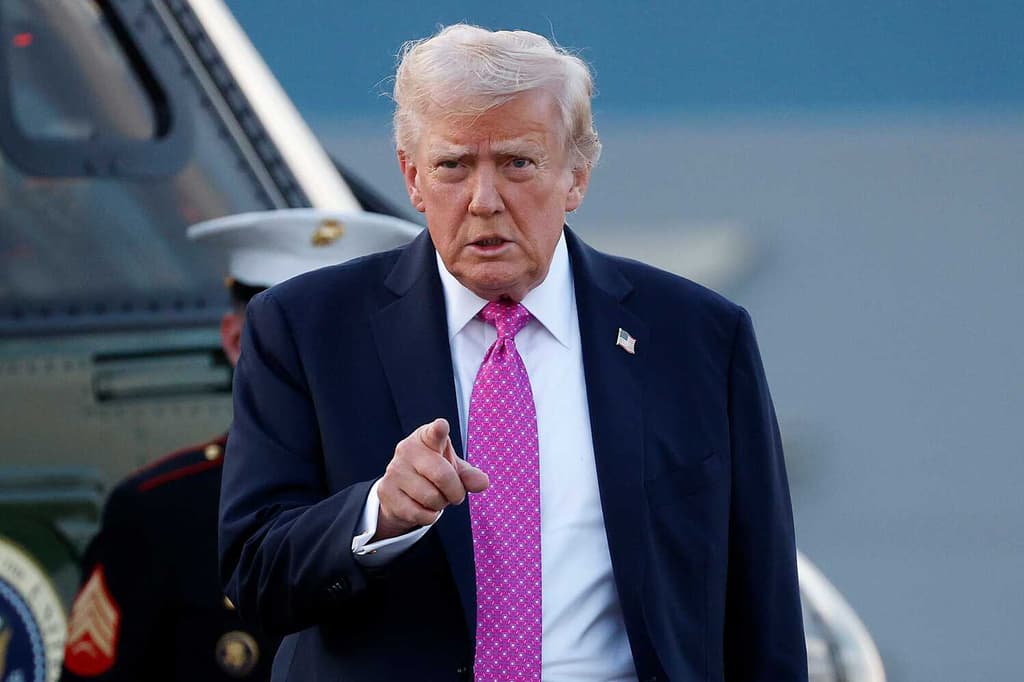
米国で取引するにはpolymarket.us

icon for トランプは誰かを公然と侮辱しますか?

トランプは誰かを公然と侮辱しますか?

icon for トランプは誰かを公然と侮辱しますか?

トランプは誰かを公然と侮辱しますか?

10月 1

10月 1

$42,109 Vol.

2026/09/03
Polymarket

$42,109 Vol.

Polymarket

9月3日

$2,781 Vol.

75%

9月16日

$2,120 Vol.

94%

9月17日

$1,392 Vol.

87%

9月18日

$72 Vol.

88%

9月19日

$319 Vol.

87%

9月20日

$386 Vol.

87%

9月21日

$271 Vol.

88%

9月22日

$253 Vol.

89%

9月23日

$786 Vol.

85%

9月24日

$1,322 Vol.

83%

9月25日

$1,235 Vol.

63%

9月26日

$441 Vol.

90%

9月27日

$2,261 Vol.

92%

9月28日

$241 Vol.

85%

9月29日

$368 Vol.

87%

9月30日

$384 Vol.

87%

This market will resolve to "Yes" if Donald Trump makes a public statement in which he insults any non-fictional individual on the specified date (ET). Otherwise, this market will resolve to "No". A qualifying public statement is any written, verbal, or recorded statement which is either made in a public setting, published by the speaker, or on the record to media, and the direct language of which is made publicly available on the specified date (ET). Pre-recorded public statements will count for the date (ET) that they are made publicly available. Statements made in private that are subsequently leaked will not qualify, even if credibly reported. Narrations and paraphrasings do not qualify. Images and videos posted on verified social media accounts will only qualify if they contain insulting language clearly directed at the individual, whether within the content itself or in an accompanying caption. Language within the content of a video will only qualify if Donald Trump is clearly portrayed as saying it. Insulting language within the content of a video said by anyone other than Donald Trump or a portrayal thereof will not qualify. A quote post will qualify if added language independently qualifies as an insult, or endorses insulting language directed at the individual within the quoted post; a repost of another account's post will not qualify. A public statement qualifies as an insult if it mocks, degrades, or disparages the individual either personally or professionally. This includes calling the individual a clearly insulting trait (e.g., weak, stupid, disloyal, a failure), using an insulting nickname (e.g., Crooked Hillary), using other clearly derogatory language, or using the negative form of a positive trait in a clearly derogatory manner (e.g., “He isn’t smart”, “He has no judgment”). Disparaging the individual in their professional capacity will qualify (e.g., "He is a disaster candidate," "He is terrible at his job"); however, negative comments directed at the individual's specific actions, policies, or decisions will not qualify (e.g., "He has bad policies," "He is wrong about healthcare"). A statement made in direct reference to the individual will qualify even if they are not named, so long as it is reasonably clear from context that they are the subject. The resolution sources will be public statements made by Donald Trump and a consensus of credible reporting.Trump's long-standing pattern of incorporating personal criticism, nicknames, and direct attacks into public statements, speeches, and social media posts forms the core driver behind trader consensus on these daily markets. As president in 2026, his schedule of press events, international summits, and policy announcements creates frequent opportunities for qualifying language, with recent examples including references to foreign leaders during trade and security discussions at the G7. Resolution relies on verifiable public statements meeting specific criteria for personal or professional disparagement, excluding pure policy disagreements. Scheduled appearances through September and beyond, including potential bilateral meetings and domestic events, represent key windows that could influence outcomes on individual dates, though historical frequency supports elevated implied probabilities for affirmative resolutions absent unusual restraint.

This market will resolve to "Yes" if Donald Trump makes a public statement in which he insults any non-fictional individual on the specified date (ET). Otherwise, this market will resolve to "No".

A qualifying public statement is any written, verbal, or recorded statement which is either made in a public setting, published by the speaker, or on the record to media, and the direct language of which is made publicly available on the specified date (ET). Pre-recorded public statements will count for the date (ET) that they are made publicly available. Statements made in private that are subsequently leaked will not qualify, even if credibly reported. Narrations and paraphrasings do not qualify.

Images and videos posted on verified social media accounts will only qualify if they contain insulting language clearly directed at the individual, whether within the content itself or in an accompanying caption. Language within the content of a video will only qualify if Donald Trump is clearly portrayed as saying it. Insulting language within the content of a video said by anyone other than Donald Trump or a portrayal thereof will not qualify.

A quote post will qualify if added language independently qualifies as an insult, or endorses insulting language directed at the individual within the quoted post; a repost of another account's post will not qualify.

A public statement qualifies as an insult if it mocks, degrades, or disparages the individual either personally or professionally. This includes calling the individual a clearly insulting trait (e.g., weak, stupid, disloyal, a failure), using an insulting nickname (e.g., Crooked Hillary), using other clearly derogatory language, or using the negative form of a positive trait in a clearly derogatory manner (e.g., “He isn’t smart”, “He has no judgment”). Disparaging the individual in their professional capacity will qualify (e.g., "He is a disaster candidate," "He is terrible at his job"); however, negative comments directed at the individual's specific actions, policies, or decisions will not qualify (e.g., "He has bad policies," "He is wrong about healthcare").

A statement made in direct reference to the individual will qualify even if they are not named, so long as it is reasonably clear from context that they are the subject.

The resolution sources will be public statements made by Donald Trump and a consensus of credible reporting.
This market will resolve to "Yes" if Donald Trump makes a public statement in which he insults any non-fictional individual on the specified date (ET). Otherwise, this market will resolve to "No". A qualifying public statement is any written, verbal, or recorded statement which is either made in a public setting, published by the speaker, or on the record to media, and the direct language of which is made publicly available on the specified date (ET). Pre-recorded public statements will count for the date (ET) that they are made publicly available. Statements made in private that are subsequently leaked will not qualify, even if credibly reported. Narrations and paraphrasings do not qualify. Images and videos posted on verified social media accounts will only qualify if they contain insulting language clearly directed at the individual, whether within the content itself or in an accompanying caption. Language within the content of a video will only qualify if Donald Trump is clearly portrayed as saying it. Insulting language within the content of a video said by anyone other than Donald Trump or a portrayal thereof will not qualify. A quote post will qualify if added language independently qualifies as an insult, or endorses insulting language directed at the individual within the quoted post; a repost of another account's post will not qualify. A public statement qualifies as an insult if it mocks, degrades, or disparages the individual either personally or professionally. This includes calling the individual a clearly insulting trait (e.g., weak, stupid, disloyal, a failure), using an insulting nickname (e.g., Crooked Hillary), using other clearly derogatory language, or using the negative form of a positive trait in a clearly derogatory manner (e.g., “He isn’t smart”, “He has no judgment”). Disparaging the individual in their professional capacity will qualify (e.g., "He is a disaster candidate," "He is terrible at his job"); however, negative comments directed at the individual's specific actions, policies, or decisions will not qualify (e.g., "He has bad policies," "He is wrong about healthcare"). A statement made in direct reference to the individual will qualify even if they are not named, so long as it is reasonably clear from context that they are the subject. The resolution sources will be public statements made by Donald Trump and a consensus of credible reporting.
音量
$42,109
終了日
2026/10/01
マーケット開始日
Sep 2, 2026, 5:16 PM ET

リゾルバー

0x65070BE91...
This market will resolve to "Yes" if Donald Trump makes a public statement in which he insults any non-fictional individual on the specified date (ET). Otherwise, this market will resolve to "No". A qualifying public statement is any written, verbal, or recorded statement which is either made in a public setting, published by the speaker, or on the record to media, and the direct language of which is made publicly available on the specified date (ET). Pre-recorded public statements will count for the date (ET) that they are made publicly available. Statements made in private that are subsequently leaked will not qualify, even if credibly reported. Narrations and paraphrasings do not qualify. Images and videos posted on verified social media accounts will only qualify if they contain insulting language clearly directed at the individual, whether within the content itself or in an accompanying caption. Language within the content of a video will only qualify if Donald Trump is clearly portrayed as saying it. Insulting language within the content of a video said by anyone other than Donald Trump or a portrayal thereof will not qualify. A quote post will qualify if added language independently qualifies as an insult, or endorses insulting language directed at the individual within the quoted post; a repost of another account's post will not qualify. A public statement qualifies as an insult if it mocks, degrades, or disparages the individual either personally or professionally. This includes calling the individual a clearly insulting trait (e.g., weak, stupid, disloyal, a failure), using an insulting nickname (e.g., Crooked Hillary), using other clearly derogatory language, or using the negative form of a positive trait in a clearly derogatory manner (e.g., “He isn’t smart”, “He has no judgment”). Disparaging the individual in their professional capacity will qualify (e.g., "He is a disaster candidate," "He is terrible at his job"); however, negative comments directed at the individual's specific actions, policies, or decisions will not qualify (e.g., "He has bad policies," "He is wrong about healthcare"). A statement made in direct reference to the individual will qualify even if they are not named, so long as it is reasonably clear from context that they are the subject. The resolution sources will be public statements made by Donald Trump and a consensus of credible reporting.Trump's long-standing pattern of incorporating personal criticism, nicknames, and direct attacks into public statements, speeches, and social media posts forms the core driver behind trader consensus on these daily markets. As president in 2026, his schedule of press events, international summits, and policy announcements creates frequent opportunities for qualifying language, with recent examples including references to foreign leaders during trade and security discussions at the G7. Resolution relies on verifiable public statements meeting specific criteria for personal or professional disparagement, excluding pure policy disagreements. Scheduled appearances through September and beyond, including potential bilateral meetings and domestic events, represent key windows that could influence outcomes on individual dates, though historical frequency supports elevated implied probabilities for affirmative resolutions absent unusual restraint.

This market will resolve to "Yes" if Donald Trump makes a public statement in which he insults any non-fictional individual on the specified date (ET). Otherwise, this market will resolve to "No".

A qualifying public statement is any written, verbal, or recorded statement which is either made in a public setting, published by the speaker, or on the record to media, and the direct language of which is made publicly available on the specified date (ET). Pre-recorded public statements will count for the date (ET) that they are made publicly available. Statements made in private that are subsequently leaked will not qualify, even if credibly reported. Narrations and paraphrasings do not qualify.

Images and videos posted on verified social media accounts will only qualify if they contain insulting language clearly directed at the individual, whether within the content itself or in an accompanying caption. Language within the content of a video will only qualify if Donald Trump is clearly portrayed as saying it. Insulting language within the content of a video said by anyone other than Donald Trump or a portrayal thereof will not qualify.

A quote post will qualify if added language independently qualifies as an insult, or endorses insulting language directed at the individual within the quoted post; a repost of another account's post will not qualify.

A public statement qualifies as an insult if it mocks, degrades, or disparages the individual either personally or professionally. This includes calling the individual a clearly insulting trait (e.g., weak, stupid, disloyal, a failure), using an insulting nickname (e.g., Crooked Hillary), using other clearly derogatory language, or using the negative form of a positive trait in a clearly derogatory manner (e.g., “He isn’t smart”, “He has no judgment”). Disparaging the individual in their professional capacity will qualify (e.g., "He is a disaster candidate," "He is terrible at his job"); however, negative comments directed at the individual's specific actions, policies, or decisions will not qualify (e.g., "He has bad policies," "He is wrong about healthcare").

A statement made in direct reference to the individual will qualify even if they are not named, so long as it is reasonably clear from context that they are the subject.

The resolution sources will be public statements made by Donald Trump and a consensus of credible reporting.
This market will resolve to "Yes" if Donald Trump makes a public statement in which he insults any non-fictional individual on the specified date (ET). Otherwise, this market will resolve to "No". A qualifying public statement is any written, verbal, or recorded statement which is either made in a public setting, published by the speaker, or on the record to media, and the direct language of which is made publicly available on the specified date (ET). Pre-recorded public statements will count for the date (ET) that they are made publicly available. Statements made in private that are subsequently leaked will not qualify, even if credibly reported. Narrations and paraphrasings do not qualify. Images and videos posted on verified social media accounts will only qualify if they contain insulting language clearly directed at the individual, whether within the content itself or in an accompanying caption. Language within the content of a video will only qualify if Donald Trump is clearly portrayed as saying it. Insulting language within the content of a video said by anyone other than Donald Trump or a portrayal thereof will not qualify. A quote post will qualify if added language independently qualifies as an insult, or endorses insulting language directed at the individual within the quoted post; a repost of another account's post will not qualify. A public statement qualifies as an insult if it mocks, degrades, or disparages the individual either personally or professionally. This includes calling the individual a clearly insulting trait (e.g., weak, stupid, disloyal, a failure), using an insulting nickname (e.g., Crooked Hillary), using other clearly derogatory language, or using the negative form of a positive trait in a clearly derogatory manner (e.g., “He isn’t smart”, “He has no judgment”). Disparaging the individual in their professional capacity will qualify (e.g., "He is a disaster candidate," "He is terrible at his job"); however, negative comments directed at the individual's specific actions, policies, or decisions will not qualify (e.g., "He has bad policies," "He is wrong about healthcare"). A statement made in direct reference to the individual will qualify even if they are not named, so long as it is reasonably clear from context that they are the subject. The resolution sources will be public statements made by Donald Trump and a consensus of credible reporting.
音量
$42,109
終了日
2026/10/01
マーケット開始日
Sep 2, 2026, 5:16 PM ET

リゾルバー

0x65070BE91...

外部リンクに注意してください。

よくある質問

「トランプは誰かを公然と侮辱しますか?」はPolymarket上の28個の結果が可能な予測市場で、トレーダーが何が起こるかに基づいてシェアを売買します。現在のリード結果は「9月4日」で100%、次いで「9月6日」が100%です。価格はコミュニティのリアルタイム確率を反映しています。例えば、100¢で取引されているシェアは、市場がその結果に100%の確率を集合的に割り当てていることを意味します。これらのオッズは継続的に変化します。正しい結果のシェアは市場決済時に各$1で引き換え可能です。

本日現在、「トランプは誰かを公然と侮辱しますか?」は$42.1Kの総取引量を生み出しています(Sep 2, 2026のマーケット開始以来)。この取引活動レベルはPolymarketコミュニティの強い関与を反映し、現在のオッズが幅広い市場参加者によって形成されていることを保証します。このページで直接、ライブの価格変動を追跡し、任意の結果で取引できます。

「トランプは誰かを公然と侮辱しますか?」で取引するには、このページに記載されている28個の利用可能な結果を閲覧します。各結果には市場の暗示確率を表す現在の価格が表示されています。ポジションを取るには、最も可能性が高いと思う結果を選び、「はい」で支持するか「いいえ」で反対するかを選択し、金額を入力して「取引」をクリックします。選んだ結果が市場決済時に正しければ、「はい」のシェアは各$1を支払います。正しくなければ$0です。決済前にいつでもシェアを売却できます。

「トランプは誰かを公然と侮辱しますか?」の現在のフロントランナーは「9月4日」で100%であり、市場がこの結果に100%の確率を割り当てていることを意味します。次に近い結果は「9月6日」で100%です。これらのオッズはトレーダーがシェアを売買するにつれてリアルタイムで更新されます。頻繁に確認するか、このページをブックマークしてください。

「トランプは誰かを公然と侮辱しますか?」の決済ルールは、各結果が勝者と宣言されるために何が起こる必要があるかを正確に定義しています。これには結果を決定するために使用される公式データソースも含まれます。このページのコメント上にある「ルール」セクションで完全な決済基準を確認できます。取引前にルールを注意深く読むことをお勧めします。