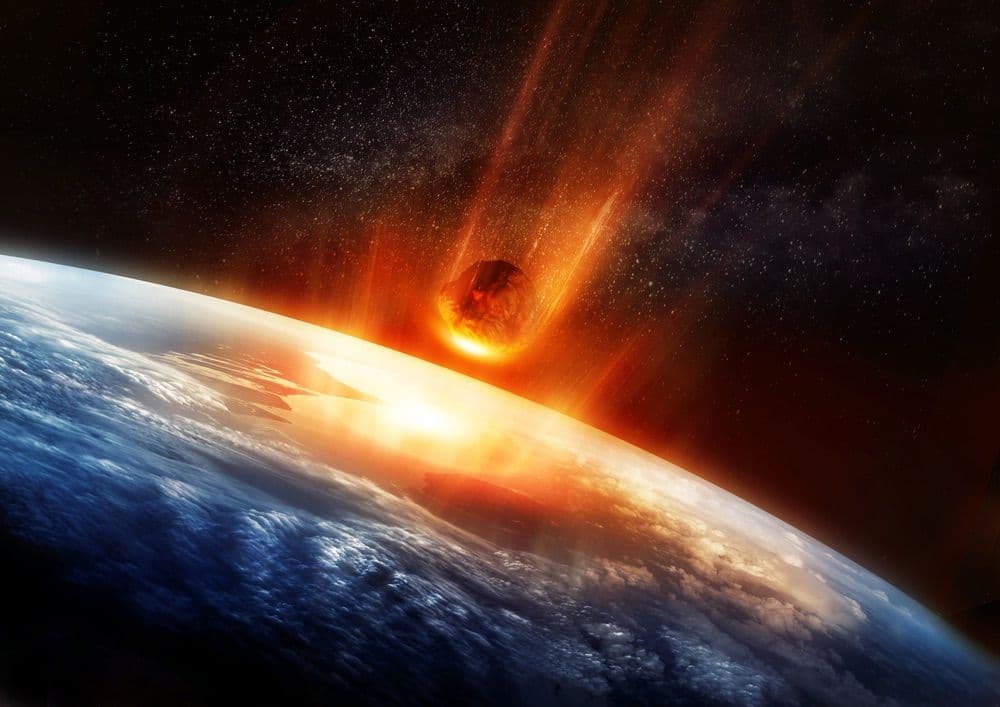
Extensive NASA and ESA near-Earth object monitoring, including refined orbital models from surveys like Pan-STARRS and the CNEOS fireball repository, has identified no asteroids or comets on collision courses capable of delivering 1-megaton-scale energy in 2026. Historical impact flux data show events at this threshold occur roughly once every few centuries, with the 2013 Chelyabinsk airburst registering only about 440 kilotons. This verified absence of threats underpins the 98.3% market-implied odds for No. Realistic variables that could still shift outcomes include the late detection of a long-period comet or minor trajectory calculation errors, though advanced detection networks and ongoing observations make such surprises improbable before year-end.
Eksperymentalne podsumowanie AI odwołujące się do danych Polymarket. To nie jest porada handlowa i nie ma wpływu na rozstrzyganie tego rynku. · Zaktualizowano1 megaton meteor strike in 2026?
1 megaton meteor strike in 2026?
$116,649 Wol.
$116,649 Wol.
$116,649 Wol.
$116,649 Wol.
The object must be classified as a natural meteoroid; events involving artificial objects or reentry vehicles do not qualify.
The primary resolution source will be the NASA JPL Fireball and Bolide Data repository: https://cneos.jpl.nasa.gov/fireballs/. The relevant field for determining impact energy is the “Impact Energy (kt)” column. If this dataset has not been updated to include all relevant dates by February 28, 2027, or if the NASA JPL Fireball and Bolide Data repository becomes permanently unavailable, this market may resolve based on a consensus of credible sources including the European Space Agency (ESA), the International Asteroid Warning Network (IAWN), the U.S. Department of Defense, or credible reporting of a scientific consensus, such as a NASA press release.
Rynek otwarty: Jan 2, 2026, 2:24 PM ET
Resolver
0x65070BE91...The object must be classified as a natural meteoroid; events involving artificial objects or reentry vehicles do not qualify.
The primary resolution source will be the NASA JPL Fireball and Bolide Data repository: https://cneos.jpl.nasa.gov/fireballs/. The relevant field for determining impact energy is the “Impact Energy (kt)” column. If this dataset has not been updated to include all relevant dates by February 28, 2027, or if the NASA JPL Fireball and Bolide Data repository becomes permanently unavailable, this market may resolve based on a consensus of credible sources including the European Space Agency (ESA), the International Asteroid Warning Network (IAWN), the U.S. Department of Defense, or credible reporting of a scientific consensus, such as a NASA press release.
Resolver
0x65070BE91...Extensive NASA and ESA near-Earth object monitoring, including refined orbital models from surveys like Pan-STARRS and the CNEOS fireball repository, has identified no asteroids or comets on collision courses capable of delivering 1-megaton-scale energy in 2026. Historical impact flux data show events at this threshold occur roughly once every few centuries, with the 2013 Chelyabinsk airburst registering only about 440 kilotons. This verified absence of threats underpins the 98.3% market-implied odds for No. Realistic variables that could still shift outcomes include the late detection of a long-period comet or minor trajectory calculation errors, though advanced detection networks and ongoing observations make such surprises improbable before year-end.
Eksperymentalne podsumowanie AI odwołujące się do danych Polymarket. To nie jest porada handlowa i nie ma wpływu na rozstrzyganie tego rynku. · Zaktualizowano
Uważaj na linki zewnętrzne.
Uważaj na linki zewnętrzne.
Często zadawane pytania