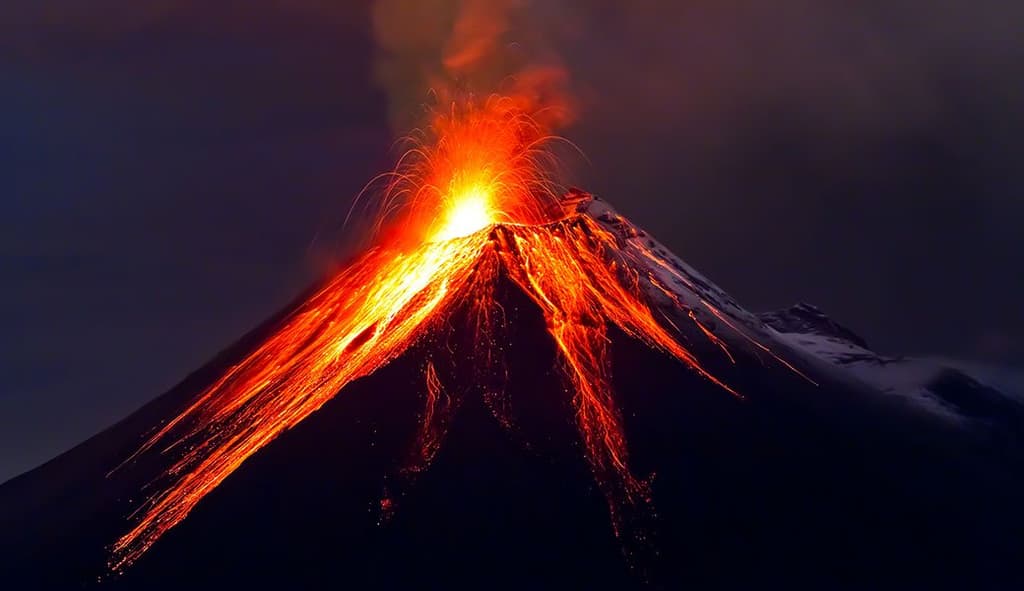
No major VEI ≥6 eruption has occurred through mid-June 2026, aligning with the 90.5% market-implied probability of none by year-end. Global recurrence intervals for such colossal events—defined by roughly 10 km³ or more of tephra and plumes exceeding 25 km—typically span 50–100 years, with the most recent example being Pinatubo in 1991. USGS and Smithsonian monitoring reports confirm only background seismicity and minor activity at U.S. and global volcanoes, including ongoing but low-VEI effusive episodes at Kīlauea. Traders weigh this low baseline frequency heavily. A rapid escalation at an unmonitored caldera or submarine system remains possible, though current data show no precursors suggesting an imminent shift.
Eksperymentalne podsumowanie AI odwołujące się do danych Polymarket. To nie jest porada handlowa i nie ma wpływu na rozstrzyganie tego rynku. · ZaktualizowanoMajor volcano eruption (VEI ≥6) in 2026?
Major volcano eruption (VEI ≥6) in 2026?
$118,513 Wol.
$118,513 Wol.
Mar 31, 2027
$118,513 Wol.
$118,513 Wol.
Mar 31, 2027
This market will resolve to "Yes" if a natural volcanic eruption with a Volcanic Explosivity Index (VEI) of 6 or higher occurs between the market's creation and December 31, 2026, 11:59 PM ET. Otherwise, this market will resolve to “No”.
The primary resolution source will be the Smithsonian Institution Global Volcanism Program (GVP: https://volcano.si.edu/), specifically the ‘VEI 6’ figure for 2026 released on the page currently titled "Eruptions Avg 2000-2024 (N/T)" (https://volcano.si.edu/faq/index.cfm?question=eruptionsbyyear) as of March 31, 2027, 12 PM ET. Any prior updates will not be considered finalized.
If this dataset has not been updated to include all relevant events by March 31, 2027, or if the Smithsonian GVP becomes permanently unavailable, this market may resolve based on a consensus of credible scientific sources, including the U.S. Geological Survey (USGS), national or regional volcanic observatories, or credible reporting of a scientific consensus.
Note: Smithsonian Institution Global Volcanism Program databases, which include eruptions that reached the relevant threshold prior to this market’s timeframe (e.g., https://volcano.si.edu/faq/index.cfm?question=eruptionsbyyear&checkyear=2025), will not be considered.No major VEI ≥6 eruption has occurred through mid-June 2026, aligning with the 90.5% market-implied probability of none by year-end. Global recurrence intervals for such colossal events—defined by roughly 10 km³ or more of tephra and plumes exceeding 25 km—typically span 50–100 years, with the most recent example being Pinatubo in 1991. USGS and Smithsonian monitoring reports confirm only background seismicity and minor activity at U.S. and global volcanoes, including ongoing but low-VEI effusive episodes at Kīlauea. Traders weigh this low baseline frequency heavily. A rapid escalation at an unmonitored caldera or submarine system remains possible, though current data show no precursors suggesting an imminent shift.
This market will resolve to "Yes" if a natural volcanic eruption with a Volcanic Explosivity Index (VEI) of 6 or higher occurs between the market's creation and December 31, 2026, 11:59 PM ET. Otherwise, this market will resolve to “No”.
The primary resolution source will be the Smithsonian Institution Global Volcanism Program (GVP: https://volcano.si.edu/), specifically the ‘VEI 6’ figure for 2026 released on the page currently titled "Eruptions Avg 2000-2024 (N/T)" (https://volcano.si.edu/faq/index.cfm?question=eruptionsbyyear) as of March 31, 2027, 12 PM ET. Any prior updates will not be considered finalized.
If this dataset has not been updated to include all relevant events by March 31, 2027, or if the Smithsonian GVP becomes permanently unavailable, this market may resolve based on a consensus of credible scientific sources, including the U.S. Geological Survey (USGS), national or regional volcanic observatories, or credible reporting of a scientific consensus.
Note: Smithsonian Institution Global Volcanism Program databases, which include eruptions that reached the relevant threshold prior to this market’s timeframe (e.g., https://volcano.si.edu/faq/index.cfm?question=eruptionsbyyear&checkyear=2025), will not be considered.
The primary resolution source will be the Smithsonian Institution Global Volcanism Program (GVP: https://volcano.si.edu/), specifically the ‘VEI 6’ figure for 2026 released on the page currently titled "Eruptions Avg 2000-2024 (N/T)" (https://volcano.si.edu/faq/index.cfm?question=eruptionsbyyear) as of March 31, 2027, 12 PM ET. Any prior updates will not be considered finalized.
If this dataset has not been updated to include all relevant events by March 31, 2027, or if the Smithsonian GVP becomes permanently unavailable, this market may resolve based on a consensus of credible scientific sources, including the U.S. Geological Survey (USGS), national or regional volcanic observatories, or credible reporting of a scientific consensus.
Note: Smithsonian Institution Global Volcanism Program databases, which include eruptions that reached the relevant threshold prior to this market’s timeframe (e.g., https://volcano.si.edu/faq/index.cfm?question=eruptionsbyyear&checkyear=2025), will not be considered.
Rynek otwarty: Dec 29, 2025, 6:24 PM ET
Wolumen
$118,513Data zakończenia
Mar 31, 2027Rynek otwarty
Dec 29, 2025, 6:24 PM ETResolver
0x65070BE91...This market will resolve to "Yes" if a natural volcanic eruption with a Volcanic Explosivity Index (VEI) of 6 or higher occurs between the market's creation and December 31, 2026, 11:59 PM ET. Otherwise, this market will resolve to “No”.
The primary resolution source will be the Smithsonian Institution Global Volcanism Program (GVP: https://volcano.si.edu/), specifically the ‘VEI 6’ figure for 2026 released on the page currently titled "Eruptions Avg 2000-2024 (N/T)" (https://volcano.si.edu/faq/index.cfm?question=eruptionsbyyear) as of March 31, 2027, 12 PM ET. Any prior updates will not be considered finalized.
If this dataset has not been updated to include all relevant events by March 31, 2027, or if the Smithsonian GVP becomes permanently unavailable, this market may resolve based on a consensus of credible scientific sources, including the U.S. Geological Survey (USGS), national or regional volcanic observatories, or credible reporting of a scientific consensus.
Note: Smithsonian Institution Global Volcanism Program databases, which include eruptions that reached the relevant threshold prior to this market’s timeframe (e.g., https://volcano.si.edu/faq/index.cfm?question=eruptionsbyyear&checkyear=2025), will not be considered.No major VEI ≥6 eruption has occurred through mid-June 2026, aligning with the 90.5% market-implied probability of none by year-end. Global recurrence intervals for such colossal events—defined by roughly 10 km³ or more of tephra and plumes exceeding 25 km—typically span 50–100 years, with the most recent example being Pinatubo in 1991. USGS and Smithsonian monitoring reports confirm only background seismicity and minor activity at U.S. and global volcanoes, including ongoing but low-VEI effusive episodes at Kīlauea. Traders weigh this low baseline frequency heavily. A rapid escalation at an unmonitored caldera or submarine system remains possible, though current data show no precursors suggesting an imminent shift.
This market will resolve to "Yes" if a natural volcanic eruption with a Volcanic Explosivity Index (VEI) of 6 or higher occurs between the market's creation and December 31, 2026, 11:59 PM ET. Otherwise, this market will resolve to “No”.
The primary resolution source will be the Smithsonian Institution Global Volcanism Program (GVP: https://volcano.si.edu/), specifically the ‘VEI 6’ figure for 2026 released on the page currently titled "Eruptions Avg 2000-2024 (N/T)" (https://volcano.si.edu/faq/index.cfm?question=eruptionsbyyear) as of March 31, 2027, 12 PM ET. Any prior updates will not be considered finalized.
If this dataset has not been updated to include all relevant events by March 31, 2027, or if the Smithsonian GVP becomes permanently unavailable, this market may resolve based on a consensus of credible scientific sources, including the U.S. Geological Survey (USGS), national or regional volcanic observatories, or credible reporting of a scientific consensus.
Note: Smithsonian Institution Global Volcanism Program databases, which include eruptions that reached the relevant threshold prior to this market’s timeframe (e.g., https://volcano.si.edu/faq/index.cfm?question=eruptionsbyyear&checkyear=2025), will not be considered.
The primary resolution source will be the Smithsonian Institution Global Volcanism Program (GVP: https://volcano.si.edu/), specifically the ‘VEI 6’ figure for 2026 released on the page currently titled "Eruptions Avg 2000-2024 (N/T)" (https://volcano.si.edu/faq/index.cfm?question=eruptionsbyyear) as of March 31, 2027, 12 PM ET. Any prior updates will not be considered finalized.
If this dataset has not been updated to include all relevant events by March 31, 2027, or if the Smithsonian GVP becomes permanently unavailable, this market may resolve based on a consensus of credible scientific sources, including the U.S. Geological Survey (USGS), national or regional volcanic observatories, or credible reporting of a scientific consensus.
Note: Smithsonian Institution Global Volcanism Program databases, which include eruptions that reached the relevant threshold prior to this market’s timeframe (e.g., https://volcano.si.edu/faq/index.cfm?question=eruptionsbyyear&checkyear=2025), will not be considered.
Wolumen
$118,513Data zakończenia
Mar 31, 2027Rynek otwarty
Dec 29, 2025, 6:24 PM ETResolver
0x65070BE91...No major VEI ≥6 eruption has occurred through mid-June 2026, aligning with the 90.5% market-implied probability of none by year-end. Global recurrence intervals for such colossal events—defined by roughly 10 km³ or more of tephra and plumes exceeding 25 km—typically span 50–100 years, with the most recent example being Pinatubo in 1991. USGS and Smithsonian monitoring reports confirm only background seismicity and minor activity at U.S. and global volcanoes, including ongoing but low-VEI effusive episodes at Kīlauea. Traders weigh this low baseline frequency heavily. A rapid escalation at an unmonitored caldera or submarine system remains possible, though current data show no precursors suggesting an imminent shift.
Eksperymentalne podsumowanie AI odwołujące się do danych Polymarket. To nie jest porada handlowa i nie ma wpływu na rozstrzyganie tego rynku. · Zaktualizowano
Uważaj na linki zewnętrzne.
Uważaj na linki zewnętrzne.
Często zadawane pytania