
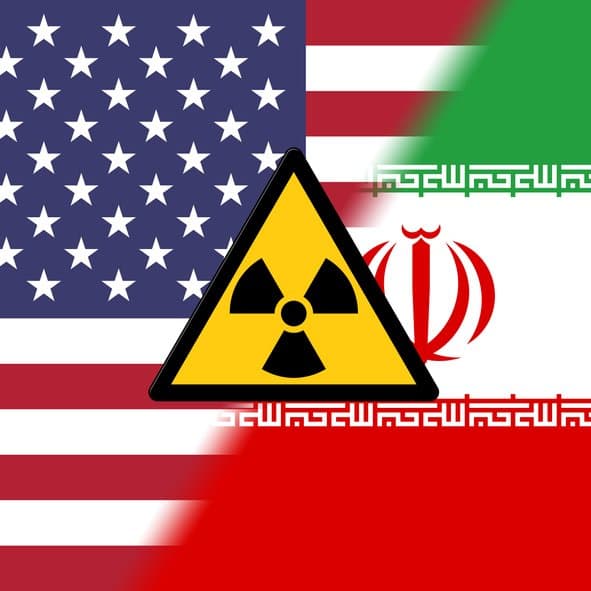
**Trader consensus favoring "No" at 78.5% reflects stalled progress toward a final U.S.-Iran agreement and UN Security Council endorsement by year-end.** A June 2026 Islamabad Memorandum of Understanding outlined a 60-day (extendable) window for negotiations on sanctions relief, nuclear limits, and related issues, with the explicit expectation that any final deal would receive a binding UNSC resolution. Technical talks in Switzerland produced limited results on working groups for sanctions, nuclear affairs, and monitoring, but the period ended amid renewed Iranian strikes on shipping in the Strait of Hormuz, U.S. responses, and broader escalation warnings in July. As of mid-August 2026, reports indicate ongoing diplomatic efforts yet persistent disagreements over uranium enrichment, inspection access, Hormuz transit controls, and implementation sequencing. No draft final agreement has advanced to the Council, and recent UNSC actions have instead addressed regional condemnations rather than endorsement. Key barriers include verification disputes, domestic political constraints in both capitals, and the absence of a comprehensive text meeting core requirements for sanctions termination and nuclear commitments. These factors have kept implied probabilities for timely UNSC action low, consistent with historical patterns where similar frameworks have required extended timelines or additional confidence-building steps.
Resumo experimental gerado por IA com dados do Polymarket. Isto não é aconselhamento de trading e não tem qualquer papel na resolução deste mercado. · AtualizadoResolução do CSNU Endossando o Acordo Final EUA-Irã até 31 de dezembro?
Resolução do CSNU Endossando o Acordo Final EUA-Irã até 31 de dezembro?
Sim
$161,311 Vol.
$161,311 Vol.
Sim
$161,311 Vol.
$161,311 Vol.
This market will resolve to “Yes” if the United Nations Security Council formally adopts a resolution that endorses, approves, implements, gives legal effect to, or incorporates such a “final deal” by December 31, 2026, 11:59 PM ET. Otherwise, this market will resolve to “No.”
The “final U.S.-Iran deal” refers to a diplomatic agreement identified as the final deal contemplated by the June 14, 2026, memorandum of understanding, either in the text of the resolution, official United States or Iranian communications, or by a consensus of credible reporting.
The resolution source will be a consensus of credible reporting.
Mercado Aberto: Jun 23, 2026, 12:51 AM ET
Resolver
0x65070BE91...This market will resolve to “Yes” if the United Nations Security Council formally adopts a resolution that endorses, approves, implements, gives legal effect to, or incorporates such a “final deal” by December 31, 2026, 11:59 PM ET. Otherwise, this market will resolve to “No.”
The “final U.S.-Iran deal” refers to a diplomatic agreement identified as the final deal contemplated by the June 14, 2026, memorandum of understanding, either in the text of the resolution, official United States or Iranian communications, or by a consensus of credible reporting.
The resolution source will be a consensus of credible reporting.
Resolver
0x65070BE91...**Trader consensus favoring "No" at 78.5% reflects stalled progress toward a final U.S.-Iran agreement and UN Security Council endorsement by year-end.** A June 2026 Islamabad Memorandum of Understanding outlined a 60-day (extendable) window for negotiations on sanctions relief, nuclear limits, and related issues, with the explicit expectation that any final deal would receive a binding UNSC resolution. Technical talks in Switzerland produced limited results on working groups for sanctions, nuclear affairs, and monitoring, but the period ended amid renewed Iranian strikes on shipping in the Strait of Hormuz, U.S. responses, and broader escalation warnings in July. As of mid-August 2026, reports indicate ongoing diplomatic efforts yet persistent disagreements over uranium enrichment, inspection access, Hormuz transit controls, and implementation sequencing. No draft final agreement has advanced to the Council, and recent UNSC actions have instead addressed regional condemnations rather than endorsement. Key barriers include verification disputes, domestic political constraints in both capitals, and the absence of a comprehensive text meeting core requirements for sanctions termination and nuclear commitments. These factors have kept implied probabilities for timely UNSC action low, consistent with historical patterns where similar frameworks have required extended timelines or additional confidence-building steps.
Resumo experimental gerado por IA com dados do Polymarket. Isto não é aconselhamento de trading e não tem qualquer papel na resolução deste mercado. · Atualizado
Cuidado com os links externos.
Cuidado com os links externos.
Frequently Asked Questions