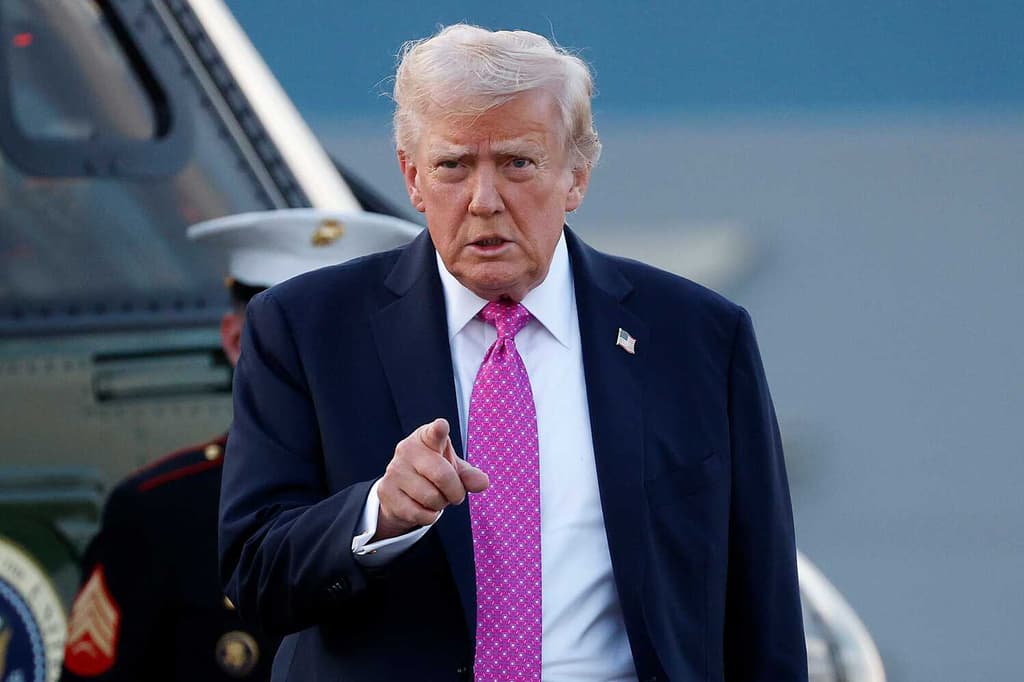
Trump's established pattern of direct, unscripted remarks during interviews, rallies, and social media posts remains the central driver of trader expectations for public insults. Recent press interactions and policy announcements have included pointed criticism of opponents and media figures, sustaining focus on his communication approach ahead of scheduled events like briefings or public appearances. Historical precedent from prior terms shows such language often surfaces amid policy disputes or personal challenges, while upcoming diplomatic or domestic milestones could either prompt or constrain further instances depending on the tone and context of official statements.
Resumo experimental gerado por IA com dados do Polymarket. Isto não é aconselhamento de trading e não tem qualquer papel na resolução deste mercado. · AtualizadoWill Trump publicly insult someone on...?
Will Trump publicly insult someone on...?
$473,045 Vol.
31 mai 2026
May 16
86%
May 17
87%
May 18
88%
May 19
88%
May 20
88%
May 21
89%
May 22
91%
May 23
90%
May 24
89%
May 25
89%
May 26
87%
May 27
88%
May 28
86%
May 29
86%
May 30
88%
May 31
87%
$473,045 Vol.
May 16
$5,238 Vol.
86%
May 17
$5,905 Vol.
87%
May 18
$1,617 Vol.
88%
May 19
$1,137 Vol.
88%
May 20
$1,059 Vol.
88%
May 21
$455 Vol.
89%
May 22
$702 Vol.
91%
May 23
$104 Vol.
90%
May 24
$433 Vol.
89%
May 25
$608 Vol.
89%
May 26
$689 Vol.
87%
May 27
$1,003 Vol.
88%
May 28
$501 Vol.
86%
May 29
$378 Vol.
86%
May 30
$96 Vol.
88%
May 31
$369 Vol.
87%
This market will resolve to "Yes" if Donald Trump makes any public statement in which he insults, mocks, or attacks any non-fictional individual personally or professionally in a clearly negative manner on the specified date (ET). Otherwise, this market will resolve to "No".
This includes calling the individual weak, stupid, disloyal, a failure, using an insulting nickname, using other derogatory language, or using the negative form of a positive trait in a derogatory personal way (e.g., “He/She isn’t smart”). Negative forms used in reference to the individual's professional actions, policies, or decisions (e.g., “He/She isn’t being smart about this policy”) will not count. Policy disagreements stated without disparaging language will not count.
A direct reference will qualify even if the individual is not named, so long as it is reasonably clear from context that they are the subject.
Any written, verbal, or recorded public statement by Trump qualifies.
The resolution source will be a consensus of credible reporting.Trump's established pattern of direct, unscripted remarks during interviews, rallies, and social media posts remains the central driver of trader expectations for public insults. Recent press interactions and policy announcements have included pointed criticism of opponents and media figures, sustaining focus on his communication approach ahead of scheduled events like briefings or public appearances. Historical precedent from prior terms shows such language often surfaces amid policy disputes or personal challenges, while upcoming diplomatic or domestic milestones could either prompt or constrain further instances depending on the tone and context of official statements.
This market will resolve to "Yes" if Donald Trump makes any public statement in which he insults, mocks, or attacks any non-fictional individual personally or professionally in a clearly negative manner on the specified date (ET). Otherwise, this market will resolve to "No".
This includes calling the individual weak, stupid, disloyal, a failure, using an insulting nickname, using other derogatory language, or using the negative form of a positive trait in a derogatory personal way (e.g., “He/She isn’t smart”). Negative forms used in reference to the individual's professional actions, policies, or decisions (e.g., “He/She isn’t being smart about this policy”) will not count. Policy disagreements stated without disparaging language will not count.
A direct reference will qualify even if the individual is not named, so long as it is reasonably clear from context that they are the subject.
Any written, verbal, or recorded public statement by Trump qualifies.
The resolution source will be a consensus of credible reporting.
This includes calling the individual weak, stupid, disloyal, a failure, using an insulting nickname, using other derogatory language, or using the negative form of a positive trait in a derogatory personal way (e.g., “He/She isn’t smart”). Negative forms used in reference to the individual's professional actions, policies, or decisions (e.g., “He/She isn’t being smart about this policy”) will not count. Policy disagreements stated without disparaging language will not count.
A direct reference will qualify even if the individual is not named, so long as it is reasonably clear from context that they are the subject.
Any written, verbal, or recorded public statement by Trump qualifies.
The resolution source will be a consensus of credible reporting.
Mercado Aberto: Apr 30, 2026, 11:29 AM ET
Volume
$473,045Data de Término
31 mai 2026Mercado Aberto
Apr 30, 2026, 11:29 AM ETResolver
0x65070BE91...This market will resolve to "Yes" if Donald Trump makes any public statement in which he insults, mocks, or attacks any non-fictional individual personally or professionally in a clearly negative manner on the specified date (ET). Otherwise, this market will resolve to "No".
This includes calling the individual weak, stupid, disloyal, a failure, using an insulting nickname, using other derogatory language, or using the negative form of a positive trait in a derogatory personal way (e.g., “He/She isn’t smart”). Negative forms used in reference to the individual's professional actions, policies, or decisions (e.g., “He/She isn’t being smart about this policy”) will not count. Policy disagreements stated without disparaging language will not count.
A direct reference will qualify even if the individual is not named, so long as it is reasonably clear from context that they are the subject.
Any written, verbal, or recorded public statement by Trump qualifies.
The resolution source will be a consensus of credible reporting.Trump's established pattern of direct, unscripted remarks during interviews, rallies, and social media posts remains the central driver of trader expectations for public insults. Recent press interactions and policy announcements have included pointed criticism of opponents and media figures, sustaining focus on his communication approach ahead of scheduled events like briefings or public appearances. Historical precedent from prior terms shows such language often surfaces amid policy disputes or personal challenges, while upcoming diplomatic or domestic milestones could either prompt or constrain further instances depending on the tone and context of official statements.
This market will resolve to "Yes" if Donald Trump makes any public statement in which he insults, mocks, or attacks any non-fictional individual personally or professionally in a clearly negative manner on the specified date (ET). Otherwise, this market will resolve to "No".
This includes calling the individual weak, stupid, disloyal, a failure, using an insulting nickname, using other derogatory language, or using the negative form of a positive trait in a derogatory personal way (e.g., “He/She isn’t smart”). Negative forms used in reference to the individual's professional actions, policies, or decisions (e.g., “He/She isn’t being smart about this policy”) will not count. Policy disagreements stated without disparaging language will not count.
A direct reference will qualify even if the individual is not named, so long as it is reasonably clear from context that they are the subject.
Any written, verbal, or recorded public statement by Trump qualifies.
The resolution source will be a consensus of credible reporting.
This includes calling the individual weak, stupid, disloyal, a failure, using an insulting nickname, using other derogatory language, or using the negative form of a positive trait in a derogatory personal way (e.g., “He/She isn’t smart”). Negative forms used in reference to the individual's professional actions, policies, or decisions (e.g., “He/She isn’t being smart about this policy”) will not count. Policy disagreements stated without disparaging language will not count.
A direct reference will qualify even if the individual is not named, so long as it is reasonably clear from context that they are the subject.
Any written, verbal, or recorded public statement by Trump qualifies.
The resolution source will be a consensus of credible reporting.
Volume
$473,045Data de Término
31 mai 2026Mercado Aberto
Apr 30, 2026, 11:29 AM ETResolver
0x65070BE91...Trump's established pattern of direct, unscripted remarks during interviews, rallies, and social media posts remains the central driver of trader expectations for public insults. Recent press interactions and policy announcements have included pointed criticism of opponents and media figures, sustaining focus on his communication approach ahead of scheduled events like briefings or public appearances. Historical precedent from prior terms shows such language often surfaces amid policy disputes or personal challenges, while upcoming diplomatic or domestic milestones could either prompt or constrain further instances depending on the tone and context of official statements.
Resumo experimental gerado por IA com dados do Polymarket. Isto não é aconselhamento de trading e não tem qualquer papel na resolução deste mercado. · Atualizado
Cuidado com os links externos.
Cuidado com os links externos.
Frequently Asked Questions