
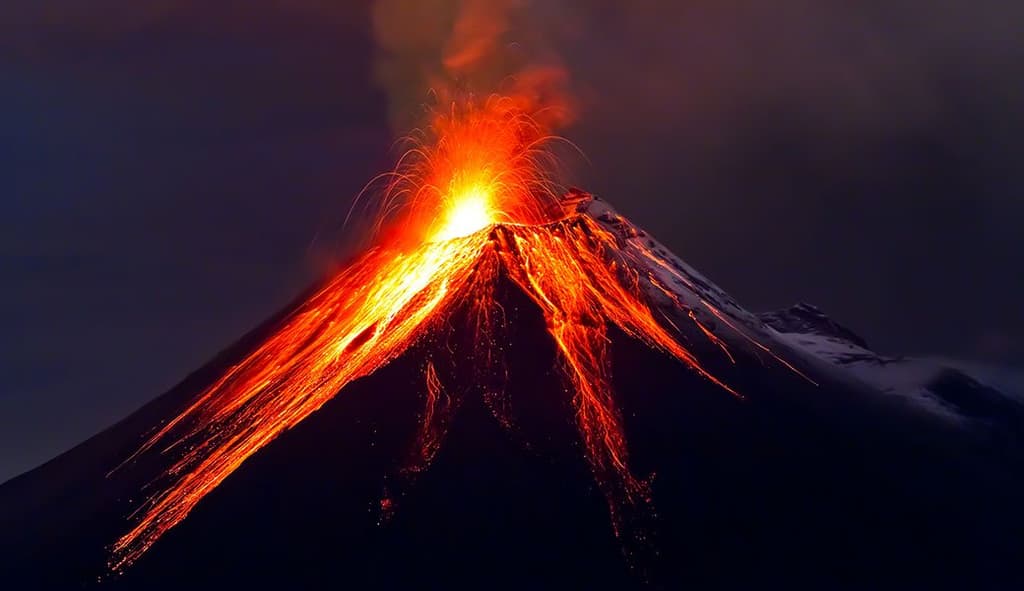
The 91.8% market-implied odds against a VEI ≥6 eruption in 2026 reflect the extreme rarity of such colossal events, with none recorded since Pinatubo in 1991. Current USGS and global monitoring data show only moderate activity at volcanoes like Kīlauea (ongoing episodic fountains, VEI ~1), Semeru, and Lewotobi, none approaching Plinian-scale explosivity or the massive magma discharge required for VEI 6. Historical return intervals for VEI 6+ events span decades to centuries, and with just four months left in the year, escalation to that threshold remains improbable. A sudden, undetected buildup at a large stratovolcano could still shift odds, though official alerts would likely flag precursors first.
สรุปจาก AI ทดลองที่อ้างอิงข้อมูลจาก Polymarket ไม่ใช่คำแนะนำในการเทรดและไม่มีผลต่อการตัดสินตลาดนี้ · อัปเดตแล้วMajor volcano eruption (VEI ≥6) in 2026?
Major volcano eruption (VEI ≥6) in 2026?
8% โอกาส
$145,358 ปริมาณ
$145,358 ปริมาณ
Mar 30, 2027
8% โอกาส
$145,358 ปริมาณ
$145,358 ปริมาณ
Mar 30, 2027
This market will resolve to "Yes" if a natural volcanic eruption with a Volcanic Explosivity Index (VEI) of 6 or higher occurs between the market's creation and December 31, 2026, 11:59 PM ET. Otherwise, this market will resolve to “No”.
The primary resolution source will be the Smithsonian Institution Global Volcanism Program (GVP: https://volcano.si.edu/), specifically the ‘VEI 6’ figure for 2026 released on the page currently titled "Eruptions Avg 2000-2024 (N/T)" (https://volcano.si.edu/faq/index.cfm?question=eruptionsbyyear) as of March 31, 2027, 12 PM ET. Any prior updates will not be considered finalized.
If this dataset has not been updated to include all relevant events by March 31, 2027, or if the Smithsonian GVP becomes permanently unavailable, this market may resolve based on a consensus of credible scientific sources, including the U.S. Geological Survey (USGS), national or regional volcanic observatories, or credible reporting of a scientific consensus.
Note: Smithsonian Institution Global Volcanism Program databases, which include eruptions that reached the relevant threshold prior to this market’s timeframe (e.g., https://volcano.si.edu/faq/index.cfm?question=eruptionsbyyear&checkyear=2025), will not be considered.The 91.8% market-implied odds against a VEI ≥6 eruption in 2026 reflect the extreme rarity of such colossal events, with none recorded since Pinatubo in 1991. Current USGS and global monitoring data show only moderate activity at volcanoes like Kīlauea (ongoing episodic fountains, VEI ~1), Semeru, and Lewotobi, none approaching Plinian-scale explosivity or the massive magma discharge required for VEI 6. Historical return intervals for VEI 6+ events span decades to centuries, and with just four months left in the year, escalation to that threshold remains improbable. A sudden, undetected buildup at a large stratovolcano could still shift odds, though official alerts would likely flag precursors first.
This market will resolve to "Yes" if a natural volcanic eruption with a Volcanic Explosivity Index (VEI) of 6 or higher occurs between the market's creation and December 31, 2026, 11:59 PM ET. Otherwise, this market will resolve to “No”.
The primary resolution source will be the Smithsonian Institution Global Volcanism Program (GVP: https://volcano.si.edu/), specifically the ‘VEI 6’ figure for 2026 released on the page currently titled "Eruptions Avg 2000-2024 (N/T)" (https://volcano.si.edu/faq/index.cfm?question=eruptionsbyyear) as of March 31, 2027, 12 PM ET. Any prior updates will not be considered finalized.
If this dataset has not been updated to include all relevant events by March 31, 2027, or if the Smithsonian GVP becomes permanently unavailable, this market may resolve based on a consensus of credible scientific sources, including the U.S. Geological Survey (USGS), national or regional volcanic observatories, or credible reporting of a scientific consensus.
Note: Smithsonian Institution Global Volcanism Program databases, which include eruptions that reached the relevant threshold prior to this market’s timeframe (e.g., https://volcano.si.edu/faq/index.cfm?question=eruptionsbyyear&checkyear=2025), will not be considered.
The primary resolution source will be the Smithsonian Institution Global Volcanism Program (GVP: https://volcano.si.edu/), specifically the ‘VEI 6’ figure for 2026 released on the page currently titled "Eruptions Avg 2000-2024 (N/T)" (https://volcano.si.edu/faq/index.cfm?question=eruptionsbyyear) as of March 31, 2027, 12 PM ET. Any prior updates will not be considered finalized.
If this dataset has not been updated to include all relevant events by March 31, 2027, or if the Smithsonian GVP becomes permanently unavailable, this market may resolve based on a consensus of credible scientific sources, including the U.S. Geological Survey (USGS), national or regional volcanic observatories, or credible reporting of a scientific consensus.
Note: Smithsonian Institution Global Volcanism Program databases, which include eruptions that reached the relevant threshold prior to this market’s timeframe (e.g., https://volcano.si.edu/faq/index.cfm?question=eruptionsbyyear&checkyear=2025), will not be considered.
ตลาดเปิดเมื่อ: Dec 29, 2025, 6:24 PM ET
ปริมาณการซื้อขาย
$145,358วันสิ้นสุด
Mar 31, 2027ตลาดเปิดเมื่อ
Dec 29, 2025, 6:24 PM ETผู้ตัดสินผล
0x65070BE91...This market will resolve to "Yes" if a natural volcanic eruption with a Volcanic Explosivity Index (VEI) of 6 or higher occurs between the market's creation and December 31, 2026, 11:59 PM ET. Otherwise, this market will resolve to “No”.
The primary resolution source will be the Smithsonian Institution Global Volcanism Program (GVP: https://volcano.si.edu/), specifically the ‘VEI 6’ figure for 2026 released on the page currently titled "Eruptions Avg 2000-2024 (N/T)" (https://volcano.si.edu/faq/index.cfm?question=eruptionsbyyear) as of March 31, 2027, 12 PM ET. Any prior updates will not be considered finalized.
If this dataset has not been updated to include all relevant events by March 31, 2027, or if the Smithsonian GVP becomes permanently unavailable, this market may resolve based on a consensus of credible scientific sources, including the U.S. Geological Survey (USGS), national or regional volcanic observatories, or credible reporting of a scientific consensus.
Note: Smithsonian Institution Global Volcanism Program databases, which include eruptions that reached the relevant threshold prior to this market’s timeframe (e.g., https://volcano.si.edu/faq/index.cfm?question=eruptionsbyyear&checkyear=2025), will not be considered.The 91.8% market-implied odds against a VEI ≥6 eruption in 2026 reflect the extreme rarity of such colossal events, with none recorded since Pinatubo in 1991. Current USGS and global monitoring data show only moderate activity at volcanoes like Kīlauea (ongoing episodic fountains, VEI ~1), Semeru, and Lewotobi, none approaching Plinian-scale explosivity or the massive magma discharge required for VEI 6. Historical return intervals for VEI 6+ events span decades to centuries, and with just four months left in the year, escalation to that threshold remains improbable. A sudden, undetected buildup at a large stratovolcano could still shift odds, though official alerts would likely flag precursors first.
This market will resolve to "Yes" if a natural volcanic eruption with a Volcanic Explosivity Index (VEI) of 6 or higher occurs between the market's creation and December 31, 2026, 11:59 PM ET. Otherwise, this market will resolve to “No”.
The primary resolution source will be the Smithsonian Institution Global Volcanism Program (GVP: https://volcano.si.edu/), specifically the ‘VEI 6’ figure for 2026 released on the page currently titled "Eruptions Avg 2000-2024 (N/T)" (https://volcano.si.edu/faq/index.cfm?question=eruptionsbyyear) as of March 31, 2027, 12 PM ET. Any prior updates will not be considered finalized.
If this dataset has not been updated to include all relevant events by March 31, 2027, or if the Smithsonian GVP becomes permanently unavailable, this market may resolve based on a consensus of credible scientific sources, including the U.S. Geological Survey (USGS), national or regional volcanic observatories, or credible reporting of a scientific consensus.
Note: Smithsonian Institution Global Volcanism Program databases, which include eruptions that reached the relevant threshold prior to this market’s timeframe (e.g., https://volcano.si.edu/faq/index.cfm?question=eruptionsbyyear&checkyear=2025), will not be considered.
The primary resolution source will be the Smithsonian Institution Global Volcanism Program (GVP: https://volcano.si.edu/), specifically the ‘VEI 6’ figure for 2026 released on the page currently titled "Eruptions Avg 2000-2024 (N/T)" (https://volcano.si.edu/faq/index.cfm?question=eruptionsbyyear) as of March 31, 2027, 12 PM ET. Any prior updates will not be considered finalized.
If this dataset has not been updated to include all relevant events by March 31, 2027, or if the Smithsonian GVP becomes permanently unavailable, this market may resolve based on a consensus of credible scientific sources, including the U.S. Geological Survey (USGS), national or regional volcanic observatories, or credible reporting of a scientific consensus.
Note: Smithsonian Institution Global Volcanism Program databases, which include eruptions that reached the relevant threshold prior to this market’s timeframe (e.g., https://volcano.si.edu/faq/index.cfm?question=eruptionsbyyear&checkyear=2025), will not be considered.
ปริมาณการซื้อขาย
$145,358วันสิ้นสุด
Mar 31, 2027ตลาดเปิดเมื่อ
Dec 29, 2025, 6:24 PM ETผู้ตัดสินผล
0x65070BE91...The 91.8% market-implied odds against a VEI ≥6 eruption in 2026 reflect the extreme rarity of such colossal events, with none recorded since Pinatubo in 1991. Current USGS and global monitoring data show only moderate activity at volcanoes like Kīlauea (ongoing episodic fountains, VEI ~1), Semeru, and Lewotobi, none approaching Plinian-scale explosivity or the massive magma discharge required for VEI 6. Historical return intervals for VEI 6+ events span decades to centuries, and with just four months left in the year, escalation to that threshold remains improbable. A sudden, undetected buildup at a large stratovolcano could still shift odds, though official alerts would likely flag precursors first.
สรุปจาก AI ทดลองที่อ้างอิงข้อมูลจาก Polymarket ไม่ใช่คำแนะนำในการเทรดและไม่มีผลต่อการตัดสินตลาดนี้ · อัปเดตแล้ว

ระวังลิงก์ภายนอก
ระวังลิงก์ภายนอก
คำถามที่พบบ่อย