
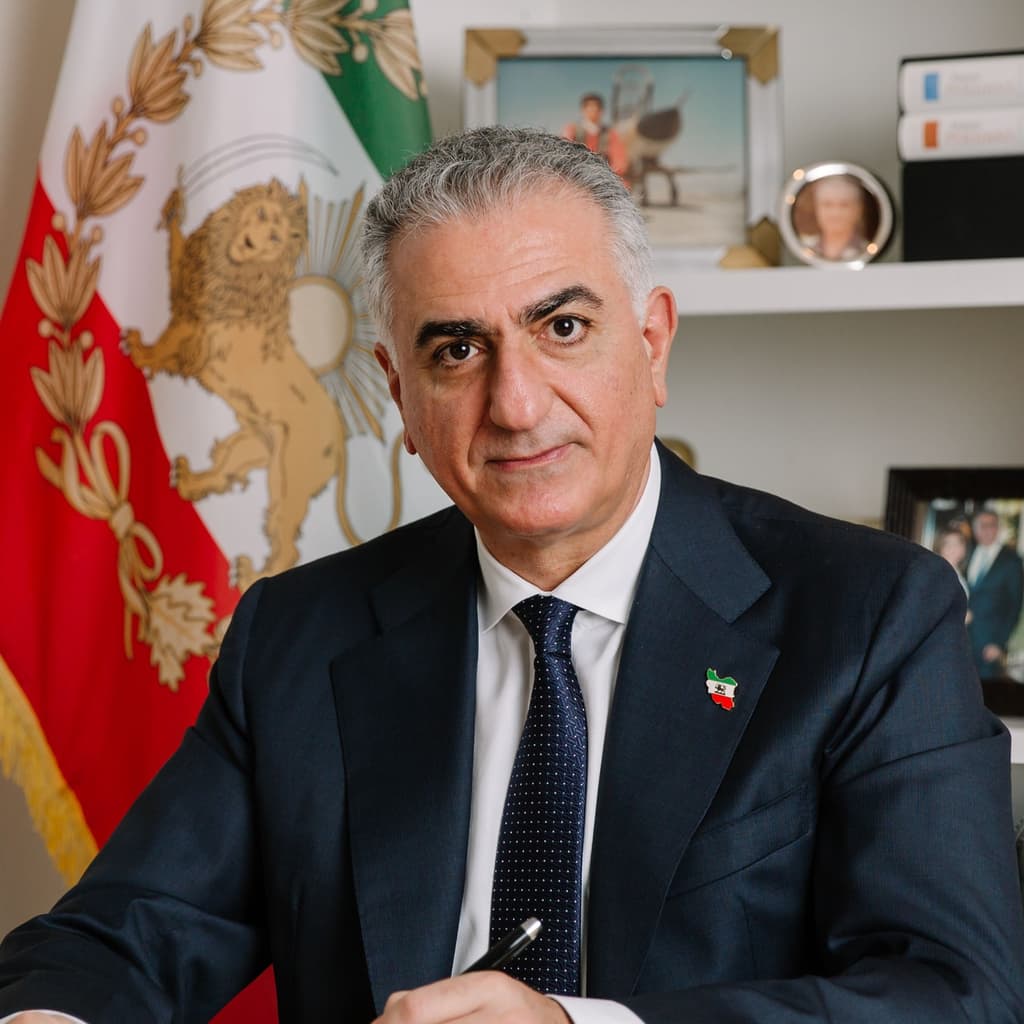
The Islamic Republic's demonstrated resilience after Supreme Leader Ali Khamenei's death and related U.S.-Israeli military actions in early 2026 has anchored trader expectations. Security forces have contained protests, while fragmented opposition groups have struggled to coordinate a broad transition. Reza Pahlavi, based in exile for decades, maintains visibility through public statements and diaspora events but faces divided domestic polling—roughly one-third supportive and one-third opposed—along with limited endorsement from key international actors, including U.S. officials who have questioned his ability to mobilize sufficient internal backing. Recent reporting highlights donor fatigue and internal coordination challenges within his circle. Narrow paths to altered odds include a sudden, large-scale domestic uprising or negotiated power-sharing arrangement enabling a transitional role by year's end.
สรุปจาก AI ทดลองที่อ้างอิงข้อมูลจาก Polymarket ไม่ใช่คำแนะนำในการเทรดและไม่มีผลต่อการตัดสินตลาดนี้ · อัปเดตแล้วReza Pahlavi จะเป็นผู้นำอิหร่านในปี 2026 หรือไม่?
Reza Pahlavi จะเป็นผู้นำอิหร่านในปี 2026 หรือไม่?
ใช่
$11,700,859 ปริมาณ
$11,700,859 ปริมาณ
ใช่
$11,700,859 ปริมาณ
$11,700,859 ปริมาณ
Reza Pahlavi will be considered to hold power if he exercises primary governing authority over the Iranian state during the specified timeframe, including effective control over the armed forces, national institutions, and core executive decision-making, regardless of formal title, constitutional designation, or international recognition.
Formal appointment, recognition by the United Nations, or recognition by foreign governments is not required.
Indicators of de facto authority may include control over the armed forces and security services; control over executive ministries and state administrative institutions; enforcement of national laws; issuance of binding national directives; and effective control over the capital and core state infrastructure.
Symbolic status, foreign recognition without domestic control, exile leadership without effective authority inside Iran, nomination without effective authority, or ceremonial or transitional status without governing control will not qualify.
If Iran experiences a period in which no individual exercises effective governing control, this will not alone qualify for a “Yes” resolution unless Reza Pahlavi subsequently meets the criteria above within the specified timeframe.
The primary resolution source for this market will be a consensus of credible reporting.
ตลาดเปิดเมื่อ: Feb 28, 2026, 10:36 PM ET
Resolver
0x65070BE91...Reza Pahlavi will be considered to hold power if he exercises primary governing authority over the Iranian state during the specified timeframe, including effective control over the armed forces, national institutions, and core executive decision-making, regardless of formal title, constitutional designation, or international recognition.
Formal appointment, recognition by the United Nations, or recognition by foreign governments is not required.
Indicators of de facto authority may include control over the armed forces and security services; control over executive ministries and state administrative institutions; enforcement of national laws; issuance of binding national directives; and effective control over the capital and core state infrastructure.
Symbolic status, foreign recognition without domestic control, exile leadership without effective authority inside Iran, nomination without effective authority, or ceremonial or transitional status without governing control will not qualify.
If Iran experiences a period in which no individual exercises effective governing control, this will not alone qualify for a “Yes” resolution unless Reza Pahlavi subsequently meets the criteria above within the specified timeframe.
The primary resolution source for this market will be a consensus of credible reporting.
Resolver
0x65070BE91...The Islamic Republic's demonstrated resilience after Supreme Leader Ali Khamenei's death and related U.S.-Israeli military actions in early 2026 has anchored trader expectations. Security forces have contained protests, while fragmented opposition groups have struggled to coordinate a broad transition. Reza Pahlavi, based in exile for decades, maintains visibility through public statements and diaspora events but faces divided domestic polling—roughly one-third supportive and one-third opposed—along with limited endorsement from key international actors, including U.S. officials who have questioned his ability to mobilize sufficient internal backing. Recent reporting highlights donor fatigue and internal coordination challenges within his circle. Narrow paths to altered odds include a sudden, large-scale domestic uprising or negotiated power-sharing arrangement enabling a transitional role by year's end.
สรุปจาก AI ทดลองที่อ้างอิงข้อมูลจาก Polymarket ไม่ใช่คำแนะนำในการเทรดและไม่มีผลต่อการตัดสินตลาดนี้ · อัปเดตแล้ว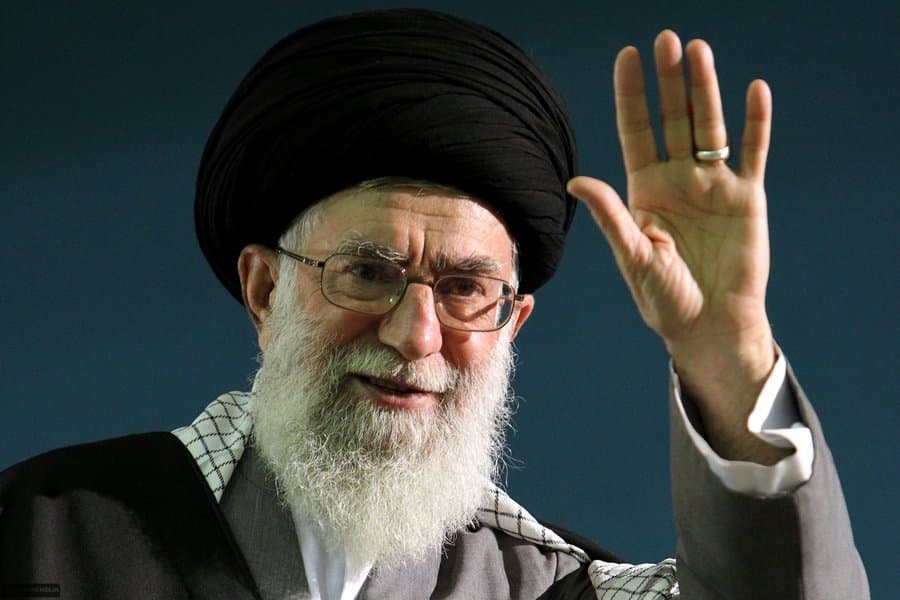
ระวังลิงก์ภายนอก
ระวังลิงก์ภายนอก
คำถามที่พบบ่อย