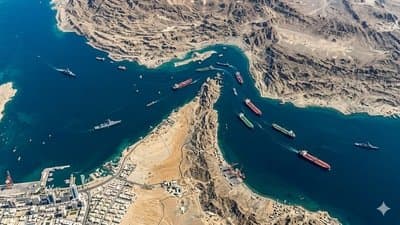
Iran and Oman have advanced talks on joint management of shipping routes through the Strait of Hormuz, with an agreement reportedly in final stages as of early August 2026. Tehran seeks mandatory service fees of 5-7% of cargo value to cover navigation, insurance, and environmental measures, citing its territorial waters and the Persian Gulf Strait Authority established in May. Oman has proposed voluntary fees around 3%, backed by Gulf states, while the United States continues to oppose any charges following a June memorandum that kept transit toll-free for an initial 60 days. Shipping associations have urged the UN to block fees, and recent reports highlight potential restrictions on U.S. and Israeli vessels alongside payment requirements. These diplomatic and enforcement developments directly shape trader assessments of whether Iran will implement charges by target dates.
Tóm tắt AI thử nghiệm tham chiếu dữ liệu Polymarket. Đây không phải tư vấn giao dịch và không ảnh hưởng đến cách thị trường này được giải quyết. · Cập nhậtIran begins enforcing mandatory toll system in Strait of Hormuz despite opposition
December 31 drops to 56%7%
Iran started enforcing a mandatory toll system requiring commercial vessels to pay fees, primarily in Bitcoin or Chinese yuan, confirming fee collection in practice and meeting the market's resolution criteria.
Iran reiterates that service fees should be charged for passage through Strait of Hormuz
December 31 rises to 56%2%
Iranian Foreign Ministry spokesman Esmaeil Baghaei stated that fees should be charged for maritime services provided in the Strait of Hormuz, reinforcing Iran's official position on mandatory fees and supporting ongoing fee collection.
Iran reiterates fees should be charged for maritime services in Strait of Hormuz
October 31 rises to 45%3%
Iranian Foreign Ministry spokesman Esmaeil Baghaei stated that fees for maritime services in the Strait of Hormuz are justified, reinforcing Iran's official stance on mandatory charges despite international opposition and ongoing negotiations with Oman.
Iran officially confirms mandatory service fees for commercial vessels in Strait of Hormuz
December 31 jumps to 74%11%
Iranian Ambassador to China announced the start of mandatory service fee collection for commercial vessels transiting the strait, with exemptions for friendly nations, fulfilling official announcement and fee collection criteria.
Iranian Foreign Ministry spokesman confirms fees should be charged for maritime services in Strait of Hormuz
Iranian Foreign Ministry spokesman Esmaeil Baghaei stated that fees should be charged for maritime services provided in the Strait of Hormuz, reinforcing Iran's official position on mandatory fees. He also noted ongoing negotiations with Oman on traffic separation schemes, highlighting Iran's control and fee collection intentions.
Iran officially announces plans to charge service fees for vessels in Strait of Hormuz with special treatment for allies
Iranian Ambassador to China Abdolreza Rahmani Fazli officially announced plans to impose mandatory service fees on commercial vessels transiting the Strait of Hormuz, promising preferential treatment for friendly nations, confirming fee implementation.
Iran officially announces service fees for commercial vessels with exemptions for friendly nations
Iranian Ambassador to China publicly confirmed plans to impose mandatory service fees on commercial vessels transiting the Strait of Hormuz, promising preferential treatment for allied countries, marking official fee policy announcement and enforcement.
Iran effectively turns Strait of Hormuz into a toll plaza charging $1 per barrel
Iran began charging roughly $1 per barrel on crude oil vessels passing through the strait, generating substantial revenue and confirming mandatory fee collection despite international opposition and ongoing conflict-related disruptions.
Iran enforces mandatory toll system requiring payments in Bitcoin and Chinese yuan
Iran's Persian Gulf Strait Authority began enforcing mandatory tolls on commercial vessels transiting the Strait of Hormuz, demanding payments primarily in cryptocurrencies and Chinese yuan, confirming fee collection despite international opposition.
Iran imposes toll of roughly $1 per barrel on crude oil vessels in Strait of Hormuz
December 31 jumps to 56%6%
Iran effectively turned the Strait of Hormuz into a tollway charging about $1 per barrel on passing crude oil vessels, generating substantial revenue during the ongoing conflict. This practical enforcement of fees confirmed mandatory collection and influenced market confidence for near-term outcomes.
Iran to ban U.S., Israeli ships from Hormuz and impose 20% fine on non-compliant vessels
December 31 jumps to 56%6%
Iranian parliament reviewed a plan to ban commercial ships linked to the U.S. and Israel from transiting the Strait and to impose fines up to 20% of cargo value on vessels violating Iran's conditions. This official move reinforced Iran's control and fee enforcement in the strait, impacting market perceptions.
Iran enforces mandatory tolls through Persian Gulf Strait Authority despite opposition
October 31 rises to 58%1%
Iran began enforcing mandatory tolls requiring vessels to pay fees up to $2 million per transit through the Strait of Hormuz, amid resistance from Oman and the US, confirming that fee collection has started and solidifying market expectations of mandatory fees.
Iranian Ambassador to China announces mandatory service fees for Strait of Hormuz passage
October 31 surges to 73%32%
Iran's Ambassador Abdolreza Rahmani Fazli officially announced that Iran will begin charging mandatory service fees for commercial vessels passing through the Strait of Hormuz, emphasizing these are not transit tolls and promising preferential treatment for friendly countries, confirming fee policy and boosting market confidence.
Iran and Oman agree on temporary toll-free routes through Strait of Hormuz
August 31 jumps to 43%13%
A deal was reached to temporarily reopen the strait without approvals, permissions, tolls, or charges, emphasizing the strait as an international waterway free for transit, though Iran maintains long-term fee plans.
Oman and Iran reach agreement to reopen Strait of Hormuz without fees or tolls
August 31 drops to 10%8%
Oman agreed to a framework deal with Iran to temporarily reopen the Strait of Hormuz with no fees or tolls, countering Iran's fee enforcement and causing market prices to drop sharply on expectations of no mandatory fees.
Iran and Oman reach temporary deal to reopen Strait of Hormuz with no fees or tolls
August 31 plunges to 8%22%
Iran and Oman agreed on a temporary framework to reopen the strait without fees or tolls, a move rejected by the US which insisted on free passage without impediments, highlighting ongoing disputes over fee legitimacy and control.
Oman and US insist on toll-free passage in Strait of Hormuz amid Iran fee plans
August 31 drops to 9%11%
Oman agreed to a temporary deal with Iran to reopen the Strait of Hormuz without fees, supported by the US which insisted on no tolls or charges, contrasting with Iran's ongoing insistence on mandatory fees, reflecting unresolved tensions.
Iran proposes up to 7% transit fee on commercial vessels in Strait of Hormuz
Reports emerged that Iran intends to charge commercial vessels a transit fee up to 7% of cargo value, potentially generating over $100 billion annually, formalizing and expanding its fee regime and intensifying geopolitical tensions.
Oman and Iran reach agreement to reopen Strait of Hormuz without fees or impediments
October 31 dips to 41%3%
Oman agreed to a framework deal with Iran to temporarily reopen the Strait of Hormuz with no tolls or charges, supported by the US which insisted on free passage, creating tension with Iran's fee imposition plans and impacting market confidence in fee enforcement.
Reports of Iran proposing up to 7% cargo value transit fee in Strait of Hormuz
Reports surfaced that Iran plans to charge commercial vessels a transit fee up to 7% of cargo value, potentially generating over $100 billion annually. This proposal represents a significant escalation in fee demands and reflects Iran's intent to monetize the strait extensively, influencing market expectations for fee enforcement.
US rejects any fees or tolls on Strait of Hormuz transit under temporary deal
August 31 plunges to 7%36%
US officials confirmed that the southern route through the Strait of Hormuz remains free and open for all commercial vessels, rejecting Iranian claims of fee imposition under the temporary reopening agreement.
Iran and Oman reach agreement to reopen Strait of Hormuz with new shipping routes
December 31 jumps to 56%10%
Iran and Oman agreed on a framework deal to temporarily reopen the Strait of Hormuz, establishing new shipping routes controlled by Iran and Oman respectively. The deal could pave the way for further negotiations but left unresolved the issue of permanent tolls, maintaining market uncertainty.
Iran begins enforcing mandatory tolls through Persian Gulf Strait Authority
October 31 rises to 57%1%
Iran started enforcing mandatory tolls requiring vessels to pay fees up to $2 million per transit through the Strait of Hormuz, despite opposition from Oman and the US, confirming fee collection has begun and significantly impacting market prices.
Iran nears final agreement with Oman on Strait of Hormuz including service fees
Iranian officials announced nearing a deal with Oman to establish acceptable shipping routes through the Strait of Hormuz, including mandatory service fees covering environmental impact, security, and staffing, effectively ratifying Iran's control over the waterway.
Iran and Oman near agreement to reopen Strait of Hormuz with transit fees
December 31 jumps to 67%5%
Tehran and Muscat advanced negotiations on a bilateral maritime agreement to restore shipping through the Strait of Hormuz, proposing a mandatory financial structure for transiting vessels with fees split evenly, marking a formalized operational oversight and signaling imminent fee enforcement.
Iran and Oman announce joint maritime service fees for Strait of Hormuz ships
December 31 jumps to 69%6%
Iran and Oman declared plans to jointly charge vessels for maritime services such as navigation assistance and environmental response in the Strait of Hormuz, formalizing a fee regime that replaces traditional tolls and confirming mandatory charges' implementation.
Iranian Foreign Ministry spokesman says fees should be charged for maritime services in Strait of Hormuz
Iran's Foreign Ministry spokesman Esmaeil Baghaei publicly stated that fees should be charged for maritime services in the Strait of Hormuz, confirming Iran's official stance on fee collection and ongoing negotiations with Oman.
Iran reiterates fees should be charged for maritime services in Strait of Hormuz
Iranian Foreign Ministry spokesman Esmaeil Baghaei stated that fees should be charged for maritime services provided in the Strait of Hormuz, emphasizing Iran's continued stance on mandatory fees despite ongoing negotiations and regional tensions. This statement maintained market awareness of Iran's firm position on fee collection.
Iran announces service fees covering environmental and security services for Strait of Hormuz
Iranian officials stated that while no tolls would be charged, mandatory service fees would cover environmental impact, security, and staffing, with revenues shared with Oman, reinforcing fee legitimacy.
Iran enforces mandatory toll system in Strait of Hormuz despite opposition
October 31 jumps to 63%6%
Iran began enforcing mandatory tolls through the Persian Gulf Strait Authority, requiring vessels to pay fees, confirming fee collection has started despite resistance from Oman and the US.
Iran enforces mandatory toll system in Strait of Hormuz despite opposition
December 31 dips to 63%1%
Iran began enforcing a mandatory toll system requiring commercial vessels to pay fees, primarily in Bitcoin or Chinese yuan, despite resistance from Oman and conflicts with the US-Iran memorandum, confirming fee collection in practice.
Iran begins enforcing mandatory toll system in Strait of Hormuz, requiring payment in Bitcoin or Chinese yuan
December 31 drops to 61%11%
Iran's Persian Gulf Strait Authority began mandatory fee collection from commercial vessels, accepting payments primarily in Bitcoin or Chinese yuan. This enforcement confirmed the start of fee collection, fulfilling the market's resolution criteria despite resistance from Oman and conflicts with the US-Iran memorandum.
Iran enforces mandatory toll system in Strait of Hormuz despite opposition
December 31 dips to 63%2%
Iran began enforcing a mandatory toll system for commercial vessels in the Strait of Hormuz, requiring vessels to pay fees primarily in Bitcoin or Chinese yuan. This enforcement occurred despite resistance from Oman and conflicts with the US-Iran memorandum, confirming Iran's control and fee collection in practice.
Iran begins enforcing mandatory toll system in Strait of Hormuz, requiring payment in Bitcoin or Chinese yuan
December 31 drops to 61%11%
Iran's Persian Gulf Strait Authority began mandatory fee collection from commercial vessels, accepting payments primarily in Bitcoin or Chinese yuan. This enforcement confirmed the start of fee collection, fulfilling the market's resolution criteria.
Iran's 60-day toll-free period expires; mandatory fees expected to be fully implemented
July 31 drops to 0%5%
The 60-day toll-free transit period agreed in the Islamabad Memorandum expired, with Iran positioned to fully implement mandatory service fees for commercial vessels transiting the Strait of Hormuz, solidifying its control over the waterway.
Iranian Ambassador to China officially announces mandatory service fees for Strait of Hormuz transit
December 31 jumps to 74%9%
Iran's Ambassador Abdolreza Rahmani Fazli publicly confirmed plans to impose mandatory service fees on commercial vessels transiting the Strait of Hormuz, emphasizing these are not transit tolls but fees for security and environmental protection, boosting market confidence in fee enforcement.
Iran's 60-day toll-free period expires; mandatory fees expected to be fully implemented
The 60-day toll-free transit period agreed in the Islamabad Memorandum expired, positioning Iran to fully implement mandatory service fees for commercial vessels transiting the Strait of Hormuz, solidifying its control over the waterway and confirming fee collection in practice.
Iran begins enforcing mandatory toll system in Strait of Hormuz despite opposition
December 31 drops to 61%13%
Iran started enforcing a mandatory toll system requiring commercial vessels to pay fees, primarily in Bitcoin or Chinese yuan, despite resistance from Oman and conflicts with the US-Iran memorandum. This confirmed Iran's control and actual fee collection, fulfilling the market's resolution criteria.
Iran imposes transit fees up to $2 million per vessel through Strait of Hormuz
Iran began charging commercial vessels fees scaled by ship size and cargo, with charges reaching up to $2 million per transit, administered by the Persian Gulf Strait Authority, confirming fee enforcement.
Iran enforces mandatory insurance fees for ships transiting Strait of Hormuz
Iran officially announced mandatory Iranian-approved insurance for all vessels transiting the Strait of Hormuz, initially free for 60 days but with fees likely afterward. This move signaled Iran's assertion of control and potential imposition of fees after the grace period, increasing market expectations for fees by late 2026.
Oman presents Gulf-backed plan for voluntary fees to Iran for Strait of Hormuz transit
December 31 jumps to 66%5%
Oman presented Iran with a Gulf-backed proposal to manage the Strait of Hormuz, including collecting voluntary transit fees. The plan aimed to balance regional interests by making fees voluntary and jointly managed, contrasting with Iran’s insistence on mandatory fees, and was supported by Gulf states to ease tensions.
Iran demands control over both Strait of Hormuz lanes, rejects Oman's voluntary-fee plan
August 31 drops to 21%7%
Iran demanded full control over both lanes of the Strait of Hormuz and rejected Oman's proposal for a voluntary fee system, signaling intent to impose mandatory fees after the 60-day toll-free window expires. This stance threatens to institutionalize Iran's fee regime and challenges international navigation rights.
Iran begins enforcing mandatory toll system in Strait of Hormuz, requiring payments in Bitcoin or Chinese yuan
December 31 rises to 65%3%
Iran started enforcing a mandatory toll system for commercial vessels transiting the Strait of Hormuz, demanding payments primarily in Bitcoin or Chinese yuan, despite opposition from Oman and conflicts with the US-Iran memorandum, confirming fee collection in practice.
Iran rejects Oman's voluntary-fee plan, demands control over both Strait of Hormuz lanes
Iran rejected Oman's Gulf-backed voluntary-fee proposal modeled on the Malacca corridor, insisting on mandatory fees and control over both shipping lanes in the Strait of Hormuz. The 60-day toll-free window was nearing expiration, increasing the likelihood of unilateral Iranian fee imposition and heightening geopolitical tensions.
Iran rejects Oman's voluntary fee plan, demands control over both Strait of Hormuz lanes
Iran publicly rejected Oman's proposal for voluntary maritime service fees and insisted on mandatory fees and control over both shipping lanes, threatening unilateral fee imposition after the 60-day toll-free window, escalating tensions and market uncertainty.
Iran rejects US 20% toll proposal, pledges to charge a 'fair' fee for Strait of Hormuz passage
December 31 rises to 72%2%
Iran's Foreign Minister Abbas Araghchi rejected the US proposal for a 20% fee on cargo through the Strait of Hormuz, reaffirming Iran's right to impose its own mandatory service fees, sustaining market expectations for fee collection.
Iran demands control over both Strait of Hormuz lanes, rejects Oman's voluntary fee plan
Iran rejected Oman's proposal for voluntary maritime service fees and insisted on mandatory fees for all vessels transiting the Strait of Hormuz, signaling Iran's intent to unilaterally enforce fee collection and control over the strait's navigation lanes.
Oman presents Gulf-backed proposal for voluntary transit fees in Strait of Hormuz
Oman proposed a regional mechanism for voluntary service fees for vessels transiting the Strait of Hormuz, aiming for joint management with Iran, but Iran rejected the plan insisting on mandatory fees, increasing tensions over fee implementation.
Iran rejects Oman's voluntary-fee plan, demands mandatory control over both Strait of Hormuz lanes
Iran publicly rejected Oman's Gulf-backed voluntary fee proposal, insisting on mandatory fees and control over both shipping lanes, threatening unilateral fee imposition after the 60-day toll-free window, increasing market uncertainty and pressure.
Iran demands control over both Strait of Hormuz lanes, rejects Oman's voluntary-fee plan
October 31 jumps to 65%8%
Iran's Deputy Foreign Minister Kazem Gharibabadi publicly rejected a Gulf-backed proposal for voluntary shipping fees modeled on the Strait of Malacca's cooperative framework, demanding mandatory fees and control over both shipping lanes. The 60-day toll-free window was set to expire soon, increasing the likelihood of unilateral fee imposition by Iran.
Iran imposes mandatory insurance scheme for Strait of Hormuz transit
December 31 rises to 67%2%
Iran’s Persian Gulf Strait Authority issued directives requiring vessels to purchase Iranian-approved insurance to transit the Strait of Hormuz, backed by threats of force and warning shots. This effectively operationalized mandatory fees and control over passage, reinforcing Iran's fee collection enforcement.
Iran's 60-day toll-free period expires; mandatory fees expected to be fully implemented
December 31 dips to 66%4%
The 60-day toll-free transit period agreed in the Islamabad Memorandum expired, positioning Iran to fully implement mandatory service fees for commercial vessels transiting the Strait of Hormuz. This solidified Iran's control over the waterway and increased market expectations for fee collection.
Iran rejects Omani plan for southern shipping route, attacks Singaporean vessel
October 31 jumps to 70%14%
Iran rejected an Omani proposal for a southern shipping route overseen by the US and attacked a Singaporean ship attempting that route, asserting control over the Strait of Hormuz and reinforcing the mandatory fee regime.
Iran enforces mandatory toll system in Strait of Hormuz despite opposition
December 31 rises to 67%3%
Iran began enforcing a mandatory toll system in the Strait of Hormuz, requiring commercial vessels to pay fees primarily in Bitcoin or Chinese yuan. This enforcement confirmed Iran's control and fee collection in practice, despite resistance from Oman and conflicts with the US-Iran memorandum.
Iran begins enforcing mandatory toll system in Strait of Hormuz despite opposition
December 31 dips to 61%2%
Iran started enforcing a mandatory toll system requiring commercial vessels to pay fees, primarily in Bitcoin or Chinese yuan, confirming fee collection in practice. This enforcement occurred despite resistance from Oman and conflicts with the US-Iran memorandum, fulfilling the market's resolution criteria.
Iran attacks commercial vessels in Strait of Hormuz amid fee enforcement
December 31 rises to 65%2%
Iran launched attacks on commercial vessels in the strait during a period of heightened military conflict, reinforcing its control and the practical enforcement of mandatory fees through coercion. This action confirmed Iran's ability to collect fees effectively.
Iran maintains control over Strait of Hormuz amid ongoing US naval blockade and regional talks
December 31 rises to 64%1%
Iran continues to assert control over the Strait of Hormuz, using threats and enforcement to regulate vessel passage despite US naval blockade and diplomatic efforts. Iranian officials emphasize sovereignty and fee collection, maintaining a high-threat environment for commercial shipping.
Iran reaffirms control over Strait of Hormuz amid ongoing US-Iran tensions
Iranian officials reiterated their control over the Strait of Hormuz and denied changes in traffic conditions following talks with Oman. This statement reinforced Iran's position on managing the strait and its fee policies, maintaining market uncertainty about fee enforcement and regional stability.
Iran exempts Russia from Hormuz Strait transit fees under friendly nations policy
December 31 rises to 65%4%
Iran officially exempted Russian vessels from the newly imposed Strait of Hormuz transit fees as part of its policy to offer preferential treatment to allied countries, demonstrating the implementation of the announced fee structure and special treatment provisions.
Iran exempts Russia from Strait of Hormuz transit fees under friendly-nations policy
December 31 rises to 65%1%
Iran announced waivers of transit fees for Russian vessels, part of its broader strategy to offer preferential treatment to allied nations while enforcing mandatory fees on others, confirming selective fee application and enforcement.
Iran's Persian Gulf Strait Authority imposes mandatory insurance for ships transiting Strait of Hormuz
December 31 jumps to 67%6%
Iran officially announced mandatory Iranian-approved insurance for all vessels transiting the Strait of Hormuz, initially free for 60 days but with fees likely afterward, signaling a move to assert control and potentially impose fees after the grace period.
Iran confirms mandatory service fees for Strait of Hormuz passage
Iranian officials reiterated that fees for security, supervision, and environmental protection are mandatory for vessels transiting the strait, reinforcing the official stance and market expectations for fee enforcement despite US opposition.
Europe signals acceptance of Strait of Hormuz fees amid Iran-Oman plan
October 31 rises to 57%1%
European governments privately acknowledged the likelihood of payments for ships passing through the Strait of Hormuz following Iran and Oman's administrative framework for fees, reflecting pragmatic acceptance despite public objections and US opposition.
Iran begins enforcing mandatory toll system in Strait of Hormuz despite opposition
December 31 jumps to 70%5%
Iran started enforcing a mandatory toll system requiring commercial vessels to pay fees primarily in Bitcoin or Chinese yuan, confirming fee collection in practice and driving market prices higher for longer-term outcomes.
Iran begins enforcing mandatory toll system in Strait of Hormuz despite opposition
December 31 drops to 61%10%
Iran started requiring commercial vessels to pay fees, primarily in Bitcoin or Chinese yuan, for passage through the Strait of Hormuz, confirming fee collection in practice and solidifying market expectations despite resistance from Oman and the US.
Iran enforces mandatory toll system in Strait of Hormuz despite opposition
December 31 drops to 61%12%
Iran began enforcing a mandatory toll system requiring commercial vessels to pay fees, including in Bitcoin or Chinese yuan, confirming fee collection in practice despite opposition from Oman and the US, solidifying market expectations of fee enforcement.
US reverses plans to impose fees on Strait of Hormuz shipping, reinstates naval blockade
December 31 dips to 61%4%
President Trump walked back the plan to impose fees on commercial ships transiting the strait, instead reimposing a naval blockade on Iran's ports amid escalating conflict. This shift affected market perceptions of fee enforcement likelihood.
Iran rejects US 20% toll proposal, pledges to charge a 'fair' fee for Strait of Hormuz passage
December 31 drops to 65%9%
Iran's Foreign Minister Abbas Araghchi publicly rejected the US proposal for a 20% fee, asserting Iran's right to impose its own mandatory and fair fees for protecting the strait. This diplomatic clash sustained market expectations for Iranian fee enforcement.
Iran rejects Trump's 20% Strait of Hormuz cargo fee proposal, pledges to charge a 'fair' toll
October 31 rises to 65%3%
Iran's Foreign Minister Abbas Araghchi rejected US President Trump's proposal for a 20% fee on cargo through the Strait of Hormuz, asserting Iran's longstanding role in protecting the waterway and stating it would impose a 'fair' fee instead, reinforcing Iran's control and fee policy.
Iran announces plan to charge fees in Strait of Hormuz after 60-day waiver ends
December 31 jumps to 70%5%
Iran announced its intention to introduce a system of fees for ships transiting the Strait of Hormuz after the 60-day waiver period lapses, confirming official policy to collect mandatory fees. This announcement solidified market expectations for fee collection, particularly affecting longer-term outcomes.
Iran rejects Trump's 20% cargo fee proposal, pledges to charge 'fair' toll
December 31 rises to 70%4%
Iran responded to US President Trump's proposal to impose a 20% fee on commercial cargo by rejecting it and asserting its right to charge a fair fee for protecting the Strait of Hormuz, emphasizing Iran's longstanding role in securing the waterway.
Iran imposes Strait of Hormuz fees, offers special consideration to China
December 31 rises to 73%2%
Iran officially imposed service fees on vessels transiting the Strait of Hormuz, with special considerations for China and friendly nations, marking a significant escalation in Tehran’s control of the waterway. This official imposition confirmed fee collection had begun, strongly supporting the 'Yes' outcome for December 31.
Iran rejects US President Trump's 20% Strait of Hormuz cargo fee proposal, pledges to charge a 'fair' toll
Iran's Foreign Minister Abbas Araghchi responded to US President Trump's proposal to impose a 20% fee on commercial cargo passing through the Strait of Hormuz by rejecting the rate as excessive and stating Iran would impose a 'fair' fee for protecting the waterway. This highlighted Iran's insistence on its own fee regime and contributed to geopolitical tensions.
Iran rejects Trump's 20% Strait of Hormuz cargo fee proposal, pledges to charge a 'fair' toll
July 31 plunges to 8%39%
Following U.S. President Trump's announcement of a 20% fee for U.S. protection of the Strait of Hormuz, Iran's Foreign Minister Abbas Araghchi rejected the proposal as excessive and reaffirmed Iran's right to impose its own 'fair' fees for services provided. This diplomatic clash caused market uncertainty and a decline in short-term resolution prices.
Iran passes bill supporting Strait of Hormuz shipping toll, operationalizing fee collection
Iran's parliament approved legislation formalizing the introduction of a shipping toll in the Strait of Hormuz, with operational control managed by the IRGC. Reports indicated vessels had begun paying fees, including payments in Chinese yuan, confirming Iran's official collection of mandatory transit fees.
Iran and Oman negotiate joint service fee plan for Strait of Hormuz transit
Reports emerged that Iran and Oman planned to jointly impose mandatory service fees for ships transiting the Strait of Hormuz after the 60-day fee waiver expired, with Iran insisting on mandatory fees and Oman favoring voluntary charges.
Iran rejects U.S. 20% Strait of Hormuz cargo fee proposal, pledges to charge a 'fair' toll
December 31 drops to 65%9%
Iran's Foreign Minister Abbas Araghchi publicly rejected U.S. President Trump's proposal to impose a 20% fee on cargo passing through the Strait, asserting Iran's right to impose its own 'fair' fees for protecting the waterway. This diplomatic clash caused market uncertainty and affected short-term price movements.
Iran officially announces mandatory service fees for Strait of Hormuz transit
Iranian officials publicly announced plans to impose mandatory service fees on commercial vessels transiting the Strait of Hormuz, offering exemptions to friendly nations. This official announcement met one of the market's resolution criteria and increased confidence in fee implementation.
Iran rejects US 20% cargo fee proposal, pledges to charge a 'fair' toll
December 31 dips to 69%3%
Iran's Foreign Minister Abbas Araghchi rejected US President Trump's proposal of a 20% fee on commercial cargo through the Strait of Hormuz, stating Iran will impose a 'fair' fee for services it provides. This statement reaffirmed Iran's intent to charge fees and influenced market perceptions of fee legitimacy and enforcement.
Trump offers U.S. protection in Strait of Hormuz for 20% fee on cargo
July 31 plunges to 8%39%
President Trump declared the U.S. would act as 'THE GUARDIAN OF THE HORMUZ STRAIT' charging a 20% fee on all cargo for protection services. This statement reinforced the U.S. stance on controlling the strait and charging fees, complicating the fee landscape and affecting market sentiment negatively for near-term outcomes.
President Trump announces US will take over Strait of Hormuz and charge 20% cargo fee
October 31 surges to 76%21%
President Trump declared the US would assume control of the Strait of Hormuz and impose a 20% fee on all cargo shipped through it, escalating tensions with Iran and impacting market perceptions of fee enforcement and control over the strait.
President Trump proposes US protection of Strait of Hormuz for 20% fee on cargo
President Trump announced the US could provide protection for vessels transiting the Strait of Hormuz in exchange for a 20% fee on cargo, challenging Iran's control and fee regime and impacting market perceptions of fee enforcement.
President Trump offers US protection in Strait of Hormuz for 20% cargo fee
October 31 dips to 59%4%
President Donald Trump proposed US protection of vessels in the Strait of Hormuz in exchange for a 20% fee on cargo, adding complexity to the fee landscape and highlighting competing claims over control and security of the waterway.
President Trump declares US will charge 20% fee for ships using Strait of Hormuz
December 31 drops to 63%7%
President Donald Trump announced that the US would become the 'guardian' of the Strait of Hormuz and charge a 20% fee on all cargo shipped through the waterway, effectively reimposing a blockade on Iranian ports. This US move countered Iran's fee plans and escalated tensions, impacting market perceptions of fee enforcement.
US President Trump offers protection in Strait of Hormuz for 20% cargo fee
December 31 jumps to 74%5%
President Donald Trump announced that the US would provide security for vessels transiting the Strait of Hormuz in exchange for a 20% fee on cargo, positioning the US as the 'Guardian of the Hormuz Strait.' This statement underscored US opposition to Iranian fees and introduced a competing fee proposal, impacting market perceptions of fee enforcement and regional control.
President Trump announces US will charge 20% fee for ships using Strait of Hormuz
December 31 jumps to 74%9%
US President Donald Trump declared that the US would charge a 20% fee on cargo for providing protection in the Strait of Hormuz, escalating competing claims over control and fees in the strait and increasing market uncertainty.
US President Trump announces 20% fee on all cargo through Strait of Hormuz
July 31 jumps to 12%7%
President Donald Trump declared that the US would impose a 20% fee on all cargo shipped through the Strait of Hormuz, asserting US control over the strait and rejecting Iran’s fee claims. This escalated tensions and complicated the fee landscape, impacting market perceptions of fee enforcement and control.
Iran rejects U.S. proposal for 20% Strait of Hormuz cargo fee, pledges to charge a 'fair' toll
Iran's Foreign Minister Abbas Araghchi publicly rejected U.S. President Donald Trump's proposal to impose a 20% fee on commercial cargo passing through the Strait of Hormuz, asserting Iran's right to charge a 'fair' fee for protecting the waterway. This statement underscored Iran's commitment to fee collection despite U.S. opposition, maintaining market uncertainty about fee levels and enforcement.
U.S. President Trump announces 20% toll on Hormuz Strait cargo and resumes blockade
December 31 surges to 74%27%
President Trump declared the U.S. would impose a 20% fee on all cargo shipped through the Strait of Hormuz and announced the resumption of the U.S. naval blockade of Iranian ports. This U.S. policy announcement directly challenged Iran's fee regime and escalated tensions, influencing market perceptions of fee enforcement and control.
US announces 20% fees on ships passing through Strait of Hormuz, reinstates blockade on Iran
July 31 plunges to 11%36%
US President Donald Trump announced that the US would charge a 20% fee on commercial vessels passing through the Strait of Hormuz and reimpose a blockade on Iranian ships. This escalated tensions and underscored the contested nature of tolls in the strait, influencing market perceptions of fee enforcement and geopolitical risk.
Iran responds to Trump's toll proposal for Strait of Hormuz, promises fair compensation
October 31 jumps to 62%6%
Iran's Foreign Minister Seyed Abbas Araghchi responded to US President Trump's proposal of charging a 20% fee on all cargo passing through the Strait of Hormuz, acknowledging the need for compensation for safe passage but promising that Iran would be fair and emphasizing Iran's role as guardian of the strait.
Iran's Foreign Minister mocks US toll proposal, promises fair fees for Hormuz passage
Iranian Foreign Minister Abbas Araghchi responded to US President Trump's proposal of a 20% fee on cargo through the Strait of Hormuz by promising Iran would charge a lower, fairer rate. This statement reaffirmed Iran's intent to impose mandatory fees, sustaining market expectations for toll collection.
US President Trump proposes 20% fee for US protection of Strait of Hormuz cargo
December 31 jumps to 74%9%
President Trump announced the US would provide protection for vessels transiting the strait in exchange for a 20% fee on cargo, escalating the dispute over control and fees. This US proposal was rejected by Iran, increasing market uncertainty.
US President Trump announces 20% fee for ships using Strait of Hormuz
President Trump declared the US would charge a 20% fee on cargo value for ships in the strait, asserting US control and complicating the fee landscape, which increased market uncertainty about fee enforcement and control.
Iran rejects Trump's 20% toll proposal, pledges to charge a 'fair' fee for Strait of Hormuz passage
December 31 dips to 65%4%
Iran's Foreign Minister Abbas Araghchi responded to U.S. President Trump's proposal of a 20% fee on cargo through the Strait by asserting Iran's right to charge a 'fair' fee for securing the waterway. This public dispute underscored ongoing tensions and Iran's commitment to imposing fees, influencing market sentiment.
President Trump announces U.S. will impose 20% fee on Strait of Hormuz cargo, restarting blockade
July 31 plunges to 8%39%
U.S. President Donald Trump declared a 20% fee on all cargo shipped through the Strait of Hormuz and announced the resumption of a naval blockade of Iranian ports. This escalated tensions and challenged Iran's fee plans, causing market volatility and a sharp drop in short-term outcome prices due to increased conflict risk.
President Trump announces 20% fee on all ships transiting Strait of Hormuz with naval blockade
December 31 rises to 72%2%
U.S. President Donald Trump announced a 20% transit fee on all vessels passing through the Strait of Hormuz, coupled with a reinstated naval blockade on Iran. This U.S. policy announcement introduced competing claims over control and fees in the strait, creating uncertainty and pressure on the market, particularly for near-term resolution dates.
US President Trump proposes 20% fee for US protection in Strait of Hormuz
President Donald Trump announced that the US would provide protection for vessels in the Strait of Hormuz in exchange for a 20% fee on cargo, highlighting competing claims over fee imposition and security in the strait, which influenced market perceptions of fee enforcement.
Iranian ambassador confirms preferential fee exemptions for Russia in Strait of Hormuz
December 31 dips to 69%1%
Iranian Ambassador Kazem Jalali announced that Russian vessels would be exempt from transit fees in the Strait of Hormuz, reflecting Iran's policy of waiving fees for allied nations and influencing market perceptions of fee enforcement.
US President Trump proposes 20% fee for US protection in Strait of Hormuz
President Donald Trump announced that the US would provide protection for vessels in the Strait of Hormuz in exchange for a 20% fee on cargo, complicating the fee landscape and adding geopolitical tension. This announcement influenced market perceptions of fee imposition and control.
Iran rejects Omani plan for southern shipping route, asserts control over Strait of Hormuz fees
December 31 jumps to 70%5%
Iran rejected an Omani proposal for a southern shipping route overseen by the US, reinforcing its stance on controlling the Strait of Hormuz and charging mandatory fees, escalating regional tensions and solidifying Iran's fee enforcement position.
Europe considers proposals to allow navigation fees in Strait of Hormuz amid tensions
October 31 rises to 59%3%
European discussions on navigation fees in the Strait of Hormuz highlighted international pressure on Iran to clarify its fee proposals, while the US and Oman opposed mandatory fees, maintaining diplomatic tensions around fee enforcement.
IRGC attacks commercial vessel in Strait of Hormuz, prompting US retaliatory strikes
October 31 drops to 58%8%
The IRGC attacked a commercial vessel in the Strait of Hormuz, causing significant damage and crew evacuation. The US responded with strikes against IRGC targets, escalating tensions and highlighting the ongoing conflict over control and security of the strait, impacting shipping and fee enforcement perceptions.
Europe considers proposals for navigation fees in Strait of Hormuz amid US opposition
European officials debated allowing navigation fees in the strait, while the US urged Iran to guarantee safe passage without compulsory tolls, reflecting international tensions over Iran's fee plans.
Europe considers proposals to allow navigation fees in Strait of Hormuz amid US opposition
European discussions emerged on permitting navigation fees in the strait, emphasizing fees must not be compulsory, while US officials urged Iran to guarantee safe passage without tolls, reflecting international legal and diplomatic tensions over Iran's fee plans.
Iranian foreign minister visits Oman to discuss Strait of Hormuz shipping safety and fees
December 31 jumps to 72%8%
Iran's foreign minister Abbas Araghchi traveled to Oman for talks focused on the Strait of Hormuz and shipping safety, continuing consultations on fee implementation and navigation management, maintaining market attention on fee prospects.
IRGC attacks commercial vessel in Strait of Hormuz, escalating tensions
The IRGC attacked a commercial vessel near Oman in the Strait of Hormuz, causing significant damage and prompting US retaliatory strikes. This incident underscored the ongoing security risks and Iran's control efforts over the strait, affecting market confidence in fee enforcement and regional stability.
Europe debates navigational fees in Strait of Hormuz amid US calls for safe passage
October 31 jumps to 66%9%
European officials discussed proposals for navigational fees in the Strait, emphasizing fees should not be compulsory, while US officials urged Iran to guarantee safe passage, reflecting international concern over Iran's fee imposition and its impact on maritime security and trade.
Iran's foreign minister visits Oman to discuss Strait of Hormuz shipping safety
October 31 jumps to 65%8%
Iranian Foreign Minister Abbas Araghchi traveled to Oman for talks focused on the Strait of Hormuz and shipping safety, continuing consultations on transit fees and navigation amid regional tensions and US objections, reinforcing ongoing negotiations and uncertainty about fee implementation.
Europe considers proposals for navigation fees in Strait of Hormuz amid US objections
European officials debated allowing navigation fees in the Strait, emphasizing fees must not be compulsory, while the US urged Iran to guarantee safe passage without mandatory tolls, highlighting international legal disputes.
IRGC attacks commercial vessel in Strait of Hormuz, escalating tensions
The IRGC attacked a container vessel in the Strait of Hormuz, causing damage and crew evacuation. This incident heightened regional tensions and underscored Iran's control over the strait, reinforcing the context for mandatory fees and impacting market perceptions of fee enforcement likelihood.
Europe urges Iran to clarify transit fee proposals amid international law concerns
October 31 drops to 57%13%
European officials publicly pressured Iran to clarify its fee proposals for the Strait of Hormuz, emphasizing that transit passage is guaranteed under international law and opposing compulsory fees, increasing diplomatic tensions and market uncertainty.
Europe and Oman urge Iran to clarify Strait of Hormuz fee proposals amid international law concerns
October 31 drops to 56%7%
European and Omani officials emphasized that transit passage through the Strait of Hormuz is guaranteed under international law and opposed compulsory transit fees, increasing diplomatic pressure on Iran and affecting market sentiment.
Europe considers proposals for navigational fees in Strait of Hormuz amid US calls for safe passage
European officials debated proposals allowing navigational fees in the Strait of Hormuz, emphasizing that tolls must not be compulsory, while US officials urged Iran to publicly guarantee safe passage for shipping, reflecting ongoing international tensions.
Iran enforces mandatory toll system in Strait of Hormuz despite opposition
Iran began enforcing a mandatory toll system requiring commercial vessels to pay fees primarily in Bitcoin or Chinese yuan, confirming fee collection in practice despite resistance from Oman and US objections.
Iran enforces mandatory toll system in Strait of Hormuz amid US and Oman opposition
October 31 jumps to 63%5%
Iran began enforcing a mandatory toll system for commercial vessels in the Strait of Hormuz despite resistance from Oman and potential conflicts with the US-Iran memorandum, increasing the likelihood of fee collection.
Iran’s Persian Gulf Strait Authority enforces mandatory insurance scheme for Strait of Hormuz transit
December 31 dips to 65%3%
Iran’s PGSA issued directives requiring vessels to purchase Iranian-approved insurance to transit the Strait of Hormuz, backed by threats of force and warning shots, effectively operationalizing mandatory fees and control over passage.
Iran and Oman announce joint maritime service fees for Strait of Hormuz ships
December 31 jumps to 69%6%
Iran and Oman declared plans to jointly charge vessels for maritime services such as navigation assistance and environmental response in the Strait of Hormuz, formalizing a fee regime that replaces traditional tolls and confirming mandatory charges' implementation.
Iran warns foreigners have no stake in Strait of Hormuz, threatens shipping interference
December 31 drops to 65%5%
Iran's IRGC Navy warned the U.S. against interference in the Strait of Hormuz and emphasized Iran's control over the waterway, signaling enforcement of its fee and transit policies. This heightened tension and enforcement stance affected market confidence in fee collection.
Iran mandates Bitcoin as exclusive payment method for Strait of Hormuz tolls
December 31 jumps to 72%7%
Iran formalized Bitcoin as the sole payment method for transit fees in the Strait of Hormuz, charging up to $2 million per fully laden tanker. This move aimed to bypass international sanctions and financial restrictions, impacting global cryptocurrency and shipping markets.
Iran imposes Strait of Hormuz fees, offers special consideration to China and allies
December 31 rises to 71%2%
Iran officially announced the imposition of service fees on vessels transiting the Strait of Hormuz, with special considerations for China and other friendly nations. This marked a significant escalation in Iran's control over the strategic waterway and influenced market prices upward for longer-term outcomes.
Iran officially imposes Strait of Hormuz transit fees amid ongoing disruptions
December 31 rises to 73%1%
Iran formalized a transit fee regime for commercial vessels passing through the Strait of Hormuz, confirming fee collection has begun. This officialization amid ongoing regional tensions solidified market expectations for fee enforcement, supporting higher prices for longer-term outcomes.
Iran signals intent to impose fees after 60-day fee-free period ends mid-August
Iranian sources indicated that the interim agreement allowing toll-free passage for 60 days would expire mid-August, after which Iran intends to begin imposing mandatory fees on ships transiting the Strait of Hormuz. This official announcement clarified timing and increased market confidence in eventual fee implementation for longer-term outcomes.
Iran imposes Strait of Hormuz fees, offers special consideration to China and allies
December 31 jumps to 73%6%
Iran announced service fees for vessels transiting the Strait of Hormuz, with special considerations for China and other friendly nations. This marked a significant escalation in Tehran's control over the strategic waterway and reinforced the mandatory nature of the fees.
Iran imposes mandatory insurance on ships transiting Strait of Hormuz, fees likely to follow
December 31 rises to 66%3%
Iran's Persian Gulf Strait Authority introduced mandatory Iranian-approved insurance for all vessels transiting the Strait, initially free for 60 days but with fees expected afterward. This enforcement of transit conditions signaled Iran's intent to monetize passage, impacting market expectations.
Iranian Ambassador to China announces mandatory service fees for Strait of Hormuz passage
December 31 surges to 65%18%
Iran's ambassador publicly confirmed plans to impose mandatory service fees on commercial vessels transiting the Strait of Hormuz, promising special treatment for friendly nations, significantly increasing market confidence in fee implementation.
Iran begins collecting mandatory service fees for Strait of Hormuz transit, offering special consideration to China and allies
December 31 jumps to 70%5%
Iran commenced the collection of mandatory service fees on commercial vessels transiting the Strait of Hormuz, as confirmed by Iranian officials and credible reporting. The Persian Gulf Strait Authority administers the fees, with exemptions or special treatment for friendly nations such as China. This event fulfilled the market's resolution criteria for fee collection, causing a sustained increase in market confidence.
Iran rejects U.S. 20% Strait of Hormuz cargo fee proposal, pledges fair toll
July 31 rises to 11%3%
Iran's Foreign Minister Abbas Araghchi rejected U.S. President Trump's proposal for a 20% cargo fee, asserting Iran's right to impose a fair fee for protecting the strait. This statement reinforced Iran's commitment to charging fees, influencing market prices especially for near-term outcomes.
Iran rejects U.S. 20% Strait of Hormuz cargo fee proposal, pledges to charge a 'fair' toll
December 31 rises to 74%4%
Iran's Foreign Minister Abbas Araghchi rejected U.S. President Trump's proposal for a 20% fee on cargo passing through the Strait, stating Iran would impose a 'fair' fee instead. This statement reinforced Iran's control and fee imposition stance, affecting market confidence especially for December 31 and October 31 outcomes.
Iran imposes mandatory toll system in Strait of Hormuz despite opposition
December 31 drops to 61%12%
Iran began enforcing a mandatory toll system requiring commercial vessels to pay fees primarily in Bitcoin or Chinese yuan, confirming fee collection despite resistance from Oman and conflicts with the US-Iran memorandum. This enforcement met the market's resolution criteria for mandatory fee collection.
Iran rejects Omani southern route plan, attacks Singaporean ship attempting it
Iran rejected an Omani plan for a southern shipping route overseen by the US and attacked a Singaporean vessel attempting that route, asserting control over the Strait of Hormuz and complicating alternative transit options. This reinforced Iran's position on fee imposition and control.
Iran imposes Strait of Hormuz transit fees, offers special consideration to China
December 31 jumps to 73%6%
Iran officially imposed mandatory service fees on vessels transiting the Strait of Hormuz, with special considerations for China and friendly nations, marking the start of fee collection and confirming Iran's control over the strategic waterway.
Iran and Oman negotiate a pay model for the Strait of Hormuz
October 31 jumps to 66%11%
Iran and Oman engaged in negotiations over a pay model for the Strait of Hormuz, with Oman opposing transit fees but not ruling out charges for maritime services. The US opposed any fees, but Iran remained determined to charge for passage, increasing market volatility and uncertainty about fee implementation.
Iran links peace talks with US to control over Strait of Hormuz and plans to impose shipping fees after grace period
August 31 rises to 51%2%
Iranian sources revealed that Iran seeks international recognition of its control over the Strait of Hormuz and plans to impose shipping fees after the 60-day fee-free transit period ends, signaling official intent to begin fee collection around mid-August, which influenced market expectations for fees by August 31.
Iran and Oman negotiate pay model for Strait of Hormuz transit fees
December 31 rises to 70%1%
Iran and Oman engaged in negotiations over a fee model for the Strait of Hormuz, with Oman opposing transit fees but considering charges for maritime services. The US continued to oppose any fees, but Iran remained determined to charge for passage.
Iran and Oman negotiate pay model for Strait of Hormuz despite US opposition
Negotiations between Iran and Oman continued on a fee model for the strait, with Oman opposing mandatory transit fees but not ruling out charges for maritime services, while the US opposed any fees.
Iran confirms new service fees for Strait of Hormuz, promises special treatment for allies
August 31 surges to 51%21%
Iran announced plans to introduce new service fees for commercial ships passing through the Strait of Hormuz, emphasizing these should not be viewed as transit tolls and promising preferential treatment for countries that supported Iran during recent conflicts.
Iran announces plans to impose service fees on commercial vessels in the Strait of Hormuz
December 31 surges to 71%24%
Iran's Ambassador to China publicly confirmed that Iran will introduce mandatory service fees for ships passing through the Strait of Hormuz, emphasizing these are not transit tolls but fees for services like security and environmental protection. The announcement included promises of special treatment for countries friendly to Iran during recent conflicts, signaling a formal policy shift and driving market prices higher for longer-term outcomes.
Iran imposes new service fees for Strait of Hormuz transit, promises special treatment for allies
October 31 jumps to 66%11%
Iran announced plans to introduce new service fees for commercial ships passing through the Strait of Hormuz, emphasizing these as fees for services rather than transit tolls, and promising preferential treatment for countries friendly to Iran during recent conflicts. This official announcement increased market confidence in the implementation of mandatory fees.
Iran imposes Strait of Hormuz transit fees, offers special consideration to China
Iran announced service fees for vessels transiting the Strait of Hormuz, with special considerations for China and other friendly nations, marking a significant escalation in Tehran’s control of the strategic waterway. This announcement reinforced the official policy and affected market sentiment positively for longer-term outcomes.
Iran confirms ongoing discussions with Oman on Strait of Hormuz fee framework
October 31 surges to 75%20%
Iran confirmed it is negotiating with Oman on the operational framework for the new service fees, while continuing talks with the U.S. on a permanent post-conflict agreement. The lack of a clear implementation date or fee structure contributed to market uncertainty.
Iran's ambassador to China confirms plans to introduce service fees for Strait of Hormuz
October 31 drops to 57%13%
Iran's ambassador to China Abdolreza Rahmani Fazli confirmed plans to introduce service fees for commercial vessels passing through the Strait of Hormuz, indicating preferential treatment for countries supportive of Iran during recent conflicts. This reinforced Iran's commitment to mandatory fees despite international opposition.
Iran announces service fees for Strait of Hormuz passage, promises concessions for friendly nations
December 31 jumps to 72%7%
Iran's ambassador to China publicly confirmed plans to charge service fees for commercial vessels, emphasizing preferential treatment for countries that supported Iran during recent conflicts. This official announcement reinforced market confidence in mandatory fee collection.
Iran officially announces new service fees for Strait of Hormuz passage
December 31 surges to 76%29%
Iran's Ambassador to China confirmed plans to introduce mandatory service fees for commercial vessels passing through the Strait of Hormuz, emphasizing these as charges for services rather than transit tolls. The announcement included promises of special treatment for countries friendly to Iran during recent conflicts, significantly impacting market sentiment.
Iran confirms intent to charge Strait of Hormuz fees amid ongoing talks with Oman
October 31 rises to 59%4%
Iran confirmed its intention to introduce service fees for ships using the Strait of Hormuz while continuing discussions with Oman on operational details, reinforcing the official announcement and maintaining market interest in fee implementation.
Iran to charge fees in Strait of Hormuz, hints at ‘special treatment’ for friendly nations
December 31 jumps to 70%5%
Iranian Ambassador to China announced plans to begin charging service fees for vessels using the Strait of Hormuz, including guarantees for security and environmental management. Iran also indicated special treatment for friendly countries. The US opposed the fees, increasing geopolitical tensions and market volatility.
Iran confirms intention to introduce Strait of Hormuz service fees amid ongoing talks with Oman and US
October 31 surges to 76%21%
Iran confirmed plans to impose service fees on ships using the Strait of Hormuz and continued discussions with Oman on operational frameworks, while negotiations with the US on a permanent post-conflict agreement remained ongoing. The announcement reinforced market expectations of fee implementation.
Iran announces service fees for vessels in Strait of Hormuz with preferential treatment for allies
October 31 surges to 72%15%
Iran publicly announced implementation of service fees for commercial vessels transiting the Strait of Hormuz, emphasizing maritime security and environmental protection, and indicating preferential treatment for friendly nations, confirming fee policy enforcement.
Iran confirms new fees for Strait of Hormuz shipping, hints at concessions for friendly nations
December 31 jumps to 70%5%
Iran officially confirmed that commercial vessels would be required to pay maritime service fees after the 60-day fee-free period expired, with preferential treatment for countries deemed friendly. The US rejected the proposal, maintaining the strait should remain free under international law. This official announcement reinforced market expectations for fees by December 31 and October 31.
Iran plans service fees for Strait of Hormuz transit, promises concessions for friendly nations
October 31 dips to 57%2%
On July 5, 2026, Iran's ambassador to China confirmed plans to introduce service fees for commercial vessels passing through the Strait of Hormuz, indicating that countries supportive of Iran during recent conflicts may receive preferential treatment. This reinforced Iran's commitment to mandatory fees despite international opposition.
Iran officially announces plans to charge service fees for vessels in Strait of Hormuz
Iranian officials publicly announced plans to impose mandatory service fees on commercial vessels transiting the Strait of Hormuz, offering exemptions to friendly nations, fulfilling one resolution criterion but lacking immediate fee collection confirmation.
Iran officially announces service fees for Strait of Hormuz transit, promises concessions for friendly nations
Iranian Ambassador to China publicly confirmed plans to charge service fees for commercial vessels, emphasizing these were fees for services and promising preferential treatment for countries supportive of Iran.
Iran reiterates service fees for Strait of Hormuz, promises preferential treatment for allies
December 31 dips to 69%4%
Iran's Ambassador to China reiterated plans to impose service fees on commercial vessels in the Strait of Hormuz, emphasizing that these are not transit tolls but fees for services provided, and confirmed preferential treatment for friendly countries. This reinforced market expectations for mandatory fees.
Iran hints at special treatment for friendly nations in Strait of Hormuz fees
Iranian Ambassador to China stated that Iran will charge service fees for vessels in the Strait of Hormuz and will consider special treatment for countries that supported Iran during recent conflicts. This reinforced the official policy announcement and affected market sentiment positively for longer-term outcomes.
Iran plans service fees for ships using Strait of Hormuz, hints at concessions for friendly nations
December 31 rises to 72%2%
Iranian Ambassador to China Abdolreza Rahmani Fazli announced plans to begin charging service fees for vessels using the Strait of Hormuz, with special treatment for friendly countries. This official announcement reinforced Iran's policy direction and market expectations for mandatory fees.
Iran announces new service fees for Strait of Hormuz, promises special treatment for allies
October 31 rises to 57%4%
Iran officially announced plans to introduce service fees for commercial vessels transiting the Strait of Hormuz, emphasizing these are fees for services rather than transit tolls. Iran also promised preferential treatment for countries that supported it during the recent conflict, signaling a formal policy framework for fee collection.
Iran rejects US claims denying charges, confirms fees for Strait of Hormuz passage
Despite US President Trump's denial of any charges, Iranian officials confirmed plans to charge mandatory service fees for ships crossing the Strait, with exemptions for friendly nations, signaling enforcement of the fee regime.
Iran rejects U.S. objections, reiterates mandatory fees for Hormuz transit
December 31 rises to 70%1%
Iran reaffirmed its position on charging mandatory service fees for vessels transiting the Strait of Hormuz, emphasizing security, supervision, and environmental protection services, despite U.S. opposition. This reinforced market expectations of fee collection.
Iran confirms service fees for Strait of Hormuz passage, despite US opposition
December 31 dips to 65%4%
Iran reiterated plans to impose service fees on commercial vessels transiting the Strait of Hormuz, emphasizing the fees cover security, supervision, and environmental protection. The US opposed the move, but Iran proceeded with fee plans.
Iran confirms new service fees for Strait of Hormuz, promises special treatment for allies
Iran officially confirmed plans to introduce mandatory service fees for commercial ships passing through the Strait of Hormuz, emphasizing preferential treatment for countries that supported Iran during recent conflicts, increasing market confidence in fee implementation.
Iran reiterates mandatory fees for Strait of Hormuz passage, clarifies fee nature
Iranian officials clarified that the fees are mandatory service charges related to security, supervision, and environmental protection of the Strait of Hormuz, reinforcing the official stance that vessels cannot transit without paying. This further solidified market expectations of fee enforcement.
Iran confirms new service fees for Strait of Hormuz, promises special treatment for allies
December 31 surges to 67%20%
Iranian Ambassador to China Abdolreza Rahmani Fazli officially announced plans to impose mandatory service fees on commercial vessels passing through the Strait of Hormuz, with preferential treatment for countries that supported Iran during recent conflicts. This reinforced market confidence in fee implementation.
Iran reiterates plan to charge service fees in Strait of Hormuz, despite US opposition
December 31 dips to 69%3%
Iran's ambassador to China reiterated plans to impose service fees on commercial vessels transiting the Strait of Hormuz, coordinating with Oman on a new maritime traffic framework. The U.S. opposed any such charges, but Iran emphasized the fees were for services, not tolls. This reinforced market expectations of fee implementation but also highlighted geopolitical tensions.
Iran confirms service fees for Strait of Hormuz passage, hints at preferential treatment for allies
October 31 jumps to 66%11%
Iran reiterated its plan to charge service fees for vessels transiting the Strait of Hormuz, emphasizing that these fees are for services such as security and environmental protection, not transit tolls. The announcement reinforced market expectations of mandatory fees and highlighted geopolitical considerations with preferential treatment for friendly nations.
Iran confirms service fees plan amid ongoing talks with Oman and US
October 31 surges to 70%15%
Iran confirmed intentions to introduce service fees for ships using the Strait of Hormuz and continued discussions with Oman on operational details. The announcement reinforced market expectations of fee implementation despite no specific fee structure or start date.
Iran imposes mandatory toll system in Strait of Hormuz requiring payments in Bitcoin or Chinese yuan
December 31 drops to 61%11%
Iran began enforcing a mandatory toll system for commercial vessels transiting the Strait of Hormuz, requiring payments primarily in Bitcoin or Chinese yuan despite opposition from Oman and conflicts with the US-Iran memorandum. This confirmed Iran's control and fee collection in practice, impacting market prices.
Iran enforces mandatory toll system in Strait of Hormuz despite opposition
December 31 drops to 61%11%
Iran began enforcing a mandatory toll system in the Strait of Hormuz, requiring commercial vessels to pay fees primarily in Bitcoin or Chinese yuan. This enforcement occurred despite resistance from Oman and conflicts with the US-Iran memorandum, confirming Iran's control and fee collection in practice.
Iran enforces mandatory tolls in Strait of Hormuz despite opposition
October 31 rises to 57%4%
Iran began enforcing mandatory tolls through the Persian Gulf Strait Authority, requiring vessels to pay fees up to $2 million per transit. This enforcement occurred amid resistance from Oman and the US, confirming fee collection has started and increasing market confidence in fee imposition.
Iran announces plans to introduce new service fees for Strait of Hormuz transit
October 31 rises to 59%2%
Iran officially announced plans to charge service fees for commercial vessels passing through the Strait of Hormuz, emphasizing these as fees for services rather than transit tolls. The announcement included promises of preferential treatment for countries friendly to Iran during recent conflicts, signaling formalization of fee collection and increasing market confidence in fee enforcement.
Iran announces service fees for vessels transiting Strait of Hormuz, promises special treatment for allies
December 31 surges to 66%19%
Iran's Ambassador to China Abdolreza Rahmani Fazli publicly confirmed plans to impose mandatory service fees on commercial vessels passing through the Strait of Hormuz, with preferential treatment for countries that supported Iran during recent conflicts. This official announcement significantly increased market confidence in fee implementation.
Iran confirms plans to charge service fees for vessels in Strait of Hormuz
December 31 surges to 73%26%
Iranian Ambassador to China Abdolreza Rahmani Fazli announced at the World Peace Forum that Iran will begin charging service fees for commercial ships passing through the Strait of Hormuz, with special treatment promised for friendly nations. This official announcement significantly increased market confidence in fee implementation.
Iran imposes service fees on vessels transiting Strait of Hormuz, offers special consideration to China
December 31 surges to 65%18%
Iran's ambassador to China announced mandatory service fees for commercial vessels passing through the Strait of Hormuz, with special treatment promised for friendly nations, reinforcing Iran's control and fee collection plans.
Iran confirms new service fees for Strait of Hormuz, promises special treatment for allies
December 31 surges to 73%26%
Iran's Ambassador to China, Abdolreza Rahmani Fazli, officially announced plans to impose mandatory service fees on commercial vessels passing through the Strait of Hormuz, with preferential treatment for countries that supported Iran during the recent conflict. This official announcement increased market confidence in fee implementation.
Iran announces plans to begin charging service fees for vessels using Strait of Hormuz
December 31 surges to 72%25%
Iranian Ambassador to China Abdolreza Rahmani Fazli officially announced Iran's plan to start charging service fees for vessels passing through the Strait of Hormuz, emphasizing fees would cover security, supervision, and environmental protection. He also mentioned special treatment for friendly nations. This official announcement significantly influenced market prices, reflecting increased perceived likelihood of fees.
Iran announces plan to impose service fees on vessels in Strait of Hormuz with special treatment for allies
December 31 surges to 73%26%
Iran's ambassador to China declared that Iran would begin charging mandatory service fees for commercial vessels transiting the Strait of Hormuz, promising preferential treatment for countries friendly to Iran during recent conflicts. This official announcement confirmed Iran's intent to implement fees, driving market price increases.
Iran enforces mandatory toll system in Strait of Hormuz despite opposition
October 31 rises to 58%2%
Iran began enforcing a mandatory toll system for commercial vessels in the Strait of Hormuz, despite resistance from Oman and objections from the US and other international actors. This enforcement increased the likelihood of fee collection and sustained Iran's control over the strategic waterway.
Iran announces new service fees with special treatment for friendly nations
August 31 surges to 51%21%
Iran's ambassador to China confirmed plans to impose service fees on vessels transiting the Strait of Hormuz, emphasizing these were not tolls and promising preferential treatment for countries friendly to Iran during recent conflicts. This announcement reinforced Iran's intent to collect fees unilaterally if necessary.
Iran confirms new service fees for Strait of Hormuz, promises special treatment for allies
October 31 surges to 73%18%
Iranian Ambassador Abdolreza Rahmani Fazli officially announced that Iran will begin charging mandatory service fees for commercial vessels passing through the Strait of Hormuz, emphasizing these are not transit tolls and that friendly countries may receive preferential treatment. This official announcement triggered significant market reactions.
Iran officially announces new service fees for Strait of Hormuz, promises special treatment for allies
December 31 surges to 67%20%
Iran's Ambassador to China Abdolreza Rahmani Fazli publicly confirmed plans to impose mandatory service fees on commercial vessels passing through the Strait of Hormuz, with preferential treatment for countries that supported Iran during recent conflicts. This official announcement significantly increased market confidence in fee implementation.
Iran imposes Strait of Hormuz fees, offers special consideration to China
Iran announced service fees for vessels transiting the Strait of Hormuz, with special considerations for China and other friendly nations, marking a significant escalation in Tehran’s post-war control of the strategic waterway.
Iran announces new service fees for Strait of Hormuz, promises special treatment for allies
December 31 surges to 73%26%
Iran's Ambassador to China Abdolreza Rahmani Fazli officially announced plans to impose mandatory service fees on commercial vessels passing through the Strait of Hormuz, with preferential treatment for countries that supported Iran during recent conflicts. This official announcement significantly increased market confidence in fee implementation.
Iran officially announces new mandatory service fees for commercial ships in Strait of Hormuz
December 31 surges to 74%27%
Iranian Ambassador to China Abdolreza Rahmani Fazli publicly confirmed plans to impose mandatory service fees on commercial vessels transiting the Strait of Hormuz, emphasizing these are fees for services such as security and environmental protection, with special treatment for allied countries. This official announcement significantly increased market confidence in fee implementation.
Iran announces plans to charge service fees for vessels in Strait of Hormuz, promises special treatment for allies
December 31 surges to 74%27%
Iran's ambassador to China announced that Iran would impose service fees on vessels transiting the Strait of Hormuz, with special considerations for friendly nations. This official announcement significantly increased market confidence in fee implementation.
Iran insists on imposing mandatory toll scheme in Strait of Hormuz despite Omani opposition
October 31 dips to 65%4%
Iran reaffirmed its position on mandatory tolls for vessels transiting the Strait of Hormuz, rejecting Oman's proposal for voluntary fees and emphasizing Iranian control over the strait, which contributed to market uncertainty and price fluctuations.
Iran rejects Oman's voluntary fee proposal, insists on mandatory toll scheme in Strait of Hormuz
October 31 rises to 57%2%
Iran rejected Oman's proposal for a voluntary maritime service fee fund, insisting on mandatory fees for vessels transiting the Strait of Hormuz. Iranian officials emphasized control over the strait and the importance of fees for sovereignty and security, despite regional opposition.
Iran insists on mandatory fees despite Oman's proposal for voluntary payments
October 31 surges to 72%17%
While Oman proposed voluntary fees to cover navigation safety costs, Iran insisted the fees be mandatory, signaling a firm stance on fee collection and increasing market confidence in fee enforcement.
Iran and Oman advance plans for joint Strait of Hormuz transit fees despite US objections
October 31 jumps to 62%7%
Iran and Oman reportedly submitted a proposal to the US and Western allies to introduce service fees for vessels transiting the Strait of Hormuz, with Iran insisting on mandatory fees and Oman proposing voluntary fees. This development heightened market uncertainty and influenced price movements for fees expected by October and December 2026.
Iran's Deputy Foreign Minister warns of unilateral fee imposition if Oman agreement fails
August 31 rises to 51%1%
Iran's Deputy Foreign Minister Kazem Gharibabadi stated that Iran would impose its own mandatory fees unilaterally if a bilateral agreement with Oman on transit fees is not reached, reinforcing Iran's intent to charge fees and increasing market expectations for fee imposition by mid to late 2026.
US President Trump warns Oman against cooperating with Iran on Strait of Hormuz fees
July 31 plunges to 14%33%
President Donald Trump publicly opposed the imposition of transit fees in the Strait of Hormuz and threatened military action against Oman if it cooperated with Iran on such fees. This heightened geopolitical tensions and underscored US opposition to fees, influencing market sentiment especially for near-term outcomes.
Iran’s Deputy Foreign Minister warns of unilateral fee imposition if Oman disagrees
October 31 rises to 60%3%
Iran’s Deputy Foreign Minister Kazem Gharibabadi stated that if Iran and Oman fail to reach an agreement on joint fee collection for the Strait of Hormuz, Iran would impose fees unilaterally. This statement underscored Iran’s commitment to mandatory fees and increased market uncertainty.
Iran's Deputy Foreign Minister states focus on accord with Oman on joint administration of Strait of Hormuz
December 31 rises to 64%3%
Iran's Deputy Foreign Minister Kazem Gharibabadi emphasized efforts to reach an agreement with Oman on joint management of the Strait and warned Iran would impose fees unilaterally if Oman disagreed. This reinforced market expectations of mandatory fees and contributed to price increases for longer-term outcomes.
Iranian Parliament Speaker asserts sovereign right to regulate Strait of Hormuz and impose transit fees after current agreement
December 31 rises to 64%3%
Mohammad Bagher Ghalibaf declared Iran's sovereignty over the Strait and indicated that after the 60-day fee-free period, Iran could impose transit fees in line with international law. This official statement increased market confidence in eventual fee implementation.
Iran and Oman reportedly plan joint mandatory service fees for Strait of Hormuz transit
October 31 surges to 72%17%
Reports emerged that Iran and Oman were negotiating a joint fee system for ships transiting the strait, with Iran insisting on mandatory fees and Oman proposing voluntary payments, indicating formalization efforts.
Iran enforces mandatory toll system in Strait of Hormuz amid US and Oman opposition
Iran began enforcing a mandatory toll system in the Strait of Hormuz, requiring commercial vessels to pay fees primarily in Bitcoin or Chinese yuan, despite resistance from Oman and conflicts with the US-Iran memorandum. This enforcement confirmed Iran's control and fee collection in practice, increasing market confidence in fee imposition.
Iran confirms new service fees for Strait of Hormuz, promises special treatment for allies
Iran officially announced plans to impose mandatory service fees on commercial vessels transiting the Strait of Hormuz, with preferential treatment for countries that supported Iran during recent conflicts, reinforcing market confidence in fee implementation.
Iran ambassador confirms plans to impose service fees with special treatment for allies
August 31 jumps to 54%13%
Iran's ambassador to China publicly confirmed plans to charge service fees for vessels transiting the Strait of Hormuz, promising preferential treatment for friendly nations, reinforcing market expectations for mandatory fee collection.
Iran and Oman plan joint mandatory service fees for Strait of Hormuz transit
December 31 surges to 74%27%
Reports emerged that Iran and Oman are negotiating to impose mandatory service fees on commercial vessels transiting the Strait of Hormuz after a 60-day fee waiver expires. Iran insists on mandatory fees while Oman prefers voluntary charges, signaling official intent to implement fees and affecting market expectations.
Iran and Oman reportedly plan joint fees for Strait of Hormuz transit
December 31 jumps to 70%5%
Reports emerged that Iran and Oman were negotiating a joint service fee system for vessels transiting the Strait, with Iran insisting on mandatory fees and Oman proposing voluntary payments. This highlighted ongoing diplomatic efforts and uncertainty about fee enforcement, influencing market prices.
Iran and Oman discuss joint service fees for Strait of Hormuz transit
December 31 jumps to 72%11%
Reports emerged that Iran and Oman planned a joint fee system for vessels transiting the strait, with Oman proposing voluntary fees and Iran insisting on mandatory payments. This diplomatic development highlighted ongoing negotiations but also Iran's readiness to impose unilateral fees if needed.
Iran and Oman negotiate joint service fees for Strait of Hormuz transit
October 31 surges to 72%17%
Iran and Oman began talks to jointly impose service fees on vessels transiting the Strait of Hormuz after the 60-day fee waiver expires, with Iran insisting on mandatory fees and Oman proposing voluntary payments, raising market uncertainty.
Iran and Oman announce plans for joint service fees on Strait of Hormuz transit
December 31 surges to 73%26%
Iran and Oman reportedly planned to jointly impose mandatory service fees for commercial vessels transiting the Strait of Hormuz after a 60-day waiver period, with Iran threatening unilateral fee imposition if no agreement is reached. This official announcement raised market expectations for mandatory fees.
Iran and Oman agree on joint management of Strait of Hormuz despite tensions
October 31 surges to 74%19%
Iran and Oman reached an agreement on joint management of the Strait of Hormuz, including discussions on transit fees, although tensions and opposition from other regional actors persisted. This development supported the feasibility of Iran's fee collection plans and influenced market expectations.
Iran and Oman plan joint service fees for Strait of Hormuz transit after 60-day waiver
October 31 surges to 74%19%
On July 1, 2026, reports emerged that Iran and Oman were negotiating a joint service fee regime for ships transiting the Strait of Hormuz after the 60-day fee waiver expired. Iran insisted on mandatory fees, while Oman proposed voluntary payments. Iran threatened unilateral imposition if no agreement was reached, signaling continuation of mandatory fees.
Iran, Oman advance plans for Strait of Hormuz transit fees despite US opposition
December 31 surges to 73%26%
A report confirmed that Iran and Oman were advancing plans to introduce payments for vessels transiting the Strait of Hormuz, despite US objections. The plan marked a major shift from the pre-war free transit status. The US administration publicly rejected tolls as unacceptable, but Iran remained determined to monetize the channel, increasing market uncertainty.
Iran and Oman advance plans for joint Strait of Hormuz transit fees despite US opposition
Iran and Oman began negotiations to impose joint mandatory service fees on vessels transiting the Strait of Hormuz after the 60-day toll-free period, with Iran insisting on mandatory fees and Oman preferring voluntary charges.
Reports emerge of Iran planning to charge Strait of Hormuz transit fees in cryptocurrency
Reports indicated Iran’s intention to charge fees for ships passing through the Strait of Hormuz using cryptocurrency payments, reflecting ongoing efforts to institutionalize fee collection and impacting market expectations for fee enforcement.
Iran officially announces mandatory service fees for vessels transiting Strait of Hormuz
December 31 surges to 67%20%
Iranian Ambassador to China Abdolreza Rahmani Fazli publicly confirmed plans to impose mandatory service fees on commercial vessels, promising special treatment for friendly nations, reinforcing market confidence in fee implementation.
Iran asserts sovereign right to regulate Strait of Hormuz and impose transit fees after current agreement expires
Iran declared its sovereign authority over the Strait of Hormuz and indicated plans to impose transit fees after the 60-day toll-free period under the US-Iran memorandum, amid ongoing technical talks with the US in Doha.
Iran and Oman reportedly plan joint fees for Strait of Hormuz transit
Reports emerged that Iran and Oman are negotiating to jointly impose mandatory service fees on ships transiting the Strait of Hormuz after the 60-day toll-free period, with Iran insisting on mandatory fees and Oman favoring voluntary charges. This indicated official intent to implement fees and affected market pricing for later resolution dates.
Oman proposes joint Strait of Hormuz fee plan with Iran
December 31 jumps to 59%9%
Iran and Oman moved forward with plans to collect payments from ships transiting the Strait of Hormuz, marking a significant shift from the prewar status of free passage. This proposal indicated Iran's intent to monetize the strait despite U.S. objections, influencing market expectations for fee implementation.
Iran and Oman propose joint service fee plan for Strait of Hormuz transit
October 31 jumps to 66%11%
Iran and Oman presented a proposal to the US and other countries to jointly impose service fees on commercial vessels transiting the Strait of Hormuz after the 60-day toll-free period, despite US objections. Oman favored voluntary fees, while Iran insisted on mandatory charges, threatening unilateral imposition if no agreement was reached.
Iran top negotiator departs for Muscat to discuss Strait of Hormuz cooperation with Oman
Iran’s parliamentary speaker and foreign minister traveled to Oman to hold high-level talks on cooperation and administration of the Strait of Hormuz, including discussions on transit fees and maritime services, indicating ongoing diplomatic efforts to formalize fee arrangements.
Iran formalizes transit fee regime amid ongoing Strait of Hormuz disruption
December 31 surges to 63%16%
Iran advanced a traffic management system including mandatory fees for commercial vessels, asserting control over the strait and linking fees to security and environmental services. This formalization increased market expectations for fee enforcement.
Iran publicly considers charging passage fees for vessels in Strait of Hormuz
August 31 plunges to 30%20%
Iran announced it was weighing charging passage fees for vessels transiting the Strait of Hormuz, citing potential revenue of up to $40 billion annually. This announcement raised concerns among Gulf neighbors and the US, which opposed the fees as a threat to free navigation, causing initial market uncertainty.
Iran seeks $40 billion annually from Strait of Hormuz fees
Iran proposed a fee system modeled on the Dardanelles, aiming to generate $40 billion annually from security, safety, and environmental service charges in the Strait of Hormuz, despite opposition from the US and Gulf neighbors.
Iran's Persian Gulf Strait Authority imposes mandatory insurance for ships transiting Strait of Hormuz
December 31 surges to 67%20%
Iran officially announced mandatory Iranian-approved insurance for all vessels transiting the Strait of Hormuz, initially free for 60 days but with fees likely afterward, signaling a move to assert control and potentially impose fees after the grace period. This announcement increased market expectations for fees by mid to late 2026.
Iran announces plans to charge passage fees for vessels in Strait of Hormuz
August 31 plunges to 30%20%
Iran publicly declared its intention to impose service and transit fees on commercial vessels passing through the Strait of Hormuz, citing potential revenue of up to $40 billion annually. This announcement raised concerns among Gulf neighbors and the US, which opposed the fees as a threat to free navigation, impacting market expectations negatively.
Iran plans to charge vessels for transit through Strait of Hormuz; US rejects
Iran announced plans to impose mandatory fees on commercial vessels transiting the Strait of Hormuz, proposing revenue sharing with neighboring countries, while the US and Oman strongly opposed any fees, emphasizing free navigation rights.
Iran weighs charging passage fees for vessels in Strait of Hormuz; US rejects plan
August 31 plunges to 30%20%
Iran considered charging usage fees for vessels transiting the Strait of Hormuz, discussing revenue sharing with neighboring countries, while the US and Oman strongly opposed mandatory fees, emphasizing free transit rights under international law. This raised geopolitical tensions and market uncertainty.
Iran weighs charging passage fees for Strait of Hormuz, US and neighbors oppose
Iran considered charging up to $40 billion annually in service and transit fees, discussing revenue sharing with Oman and other neighbors, while the US and Oman strongly opposed any transit fees, emphasizing free passage under international law.
Iran announces plans to charge service fees for vessels in the Strait of Hormuz
December 31 surges to 73%26%
Iranian officials publicly announced plans to impose mandatory service fees on commercial vessels transiting the Strait of Hormuz, emphasizing fees cover security, supervision, and environmental protection, and promising preferential treatment for friendly nations. This official announcement increased market confidence in fee implementation.


Cẩn thận với liên kết bên ngoài.
Cẩn thận với liên kết bên ngoài.
Câu hỏi thường gặp