
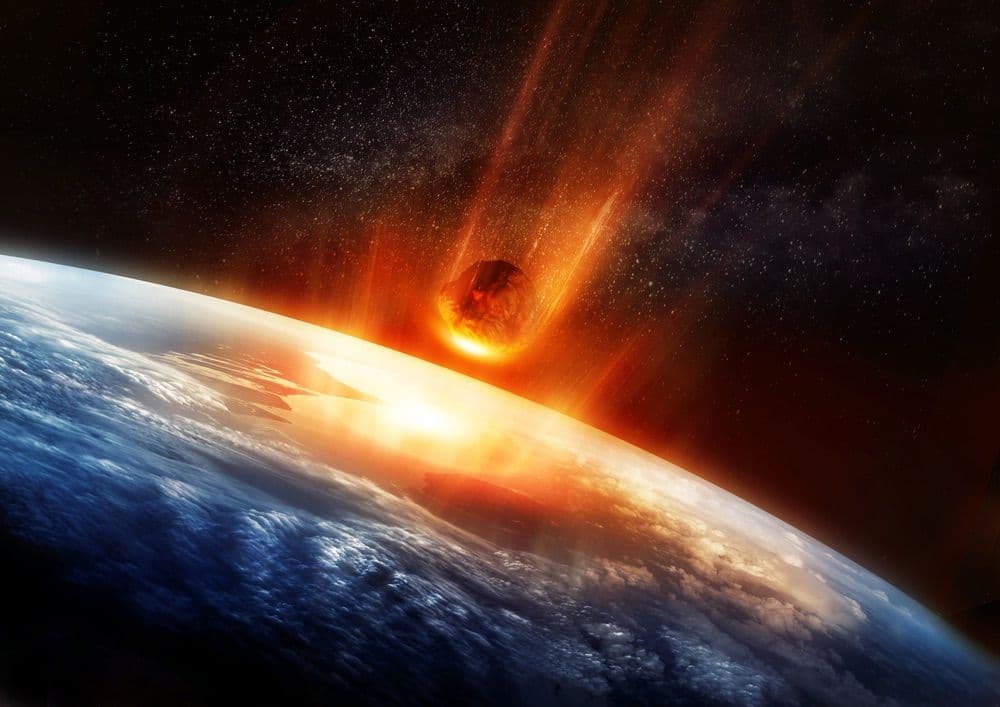
Trader consensus on a "No" resolution for a 1-megaton meteor strike in 2026 reflects the extreme rarity of such events—estimated at roughly once per several centuries based on NASA fireball data and orbital models—combined with comprehensive near-Earth object monitoring that has identified no qualifying threats. Systems like Pan-STARRS and JPL's CNEOS have cataloged thousands of asteroids without detecting any capable of delivering 1,000 kilotons of impact energy this year, consistent with the Chelyabinsk event's sub-megaton yield over a decade ago. While small bolides continue to be tracked and resolved harmlessly, the absence of credible large-object detections reinforces the 98.6% implied probability. Potential swing factors remain limited to an undetected long-period comet or trajectory miscalculation, both constrained by existing survey coverage and computational validation.
基於Polymarket數據的AI實驗性摘要。這不是交易建議,也不影響該市場的結算方式。 · 更新於是
$117,333 交易量
$117,333 交易量
是
$117,333 交易量
$117,333 交易量
The object must be classified as a natural meteoroid; events involving artificial objects or reentry vehicles do not qualify.
The primary resolution source will be the NASA JPL Fireball and Bolide Data repository: https://cneos.jpl.nasa.gov/fireballs/. The relevant field for determining impact energy is the “Impact Energy (kt)” column. If this dataset has not been updated to include all relevant dates by February 28, 2027, or if the NASA JPL Fireball and Bolide Data repository becomes permanently unavailable, this market may resolve based on a consensus of credible sources including the European Space Agency (ESA), the International Asteroid Warning Network (IAWN), the U.S. Department of Defense, or credible reporting of a scientific consensus, such as a NASA press release.
市場開放時間: Jan 2, 2026, 2:24 PM ET
The object must be classified as a natural meteoroid; events involving artificial objects or reentry vehicles do not qualify.
The primary resolution source will be the NASA JPL Fireball and Bolide Data repository: https://cneos.jpl.nasa.gov/fireballs/. The relevant field for determining impact energy is the “Impact Energy (kt)” column. If this dataset has not been updated to include all relevant dates by February 28, 2027, or if the NASA JPL Fireball and Bolide Data repository becomes permanently unavailable, this market may resolve based on a consensus of credible sources including the European Space Agency (ESA), the International Asteroid Warning Network (IAWN), the U.S. Department of Defense, or credible reporting of a scientific consensus, such as a NASA press release.
Trader consensus on a "No" resolution for a 1-megaton meteor strike in 2026 reflects the extreme rarity of such events—estimated at roughly once per several centuries based on NASA fireball data and orbital models—combined with comprehensive near-Earth object monitoring that has identified no qualifying threats. Systems like Pan-STARRS and JPL's CNEOS have cataloged thousands of asteroids without detecting any capable of delivering 1,000 kilotons of impact energy this year, consistent with the Chelyabinsk event's sub-megaton yield over a decade ago. While small bolides continue to be tracked and resolved harmlessly, the absence of credible large-object detections reinforces the 98.6% implied probability. Potential swing factors remain limited to an undetected long-period comet or trajectory miscalculation, both constrained by existing survey coverage and computational validation.
基於Polymarket數據的AI實驗性摘要。這不是交易建議,也不影響該市場的結算方式。 · 更新於
警惕外部連結哦。
警惕外部連結哦。
Frequently Asked Questions